In a major structural step aimed at transforming physical currency logistics, the Government of India and the Reserve Bank of India (RBI) are advancing plans to introduce polymer-based plastic banknotes.
Driven by expanding cash circulation and the escalating costs associated with printing and replacing traditional cotton-fiber paper notes, the central bank is preparing to integrate highly durable polymer alternatives into the economy. The deployment strategy is designed to test how the alternative material handles localized environmental wear before executing a wider structural rollout across higher denominations.
Why Switch? Cotton Fiber vs. Polymer Substrates
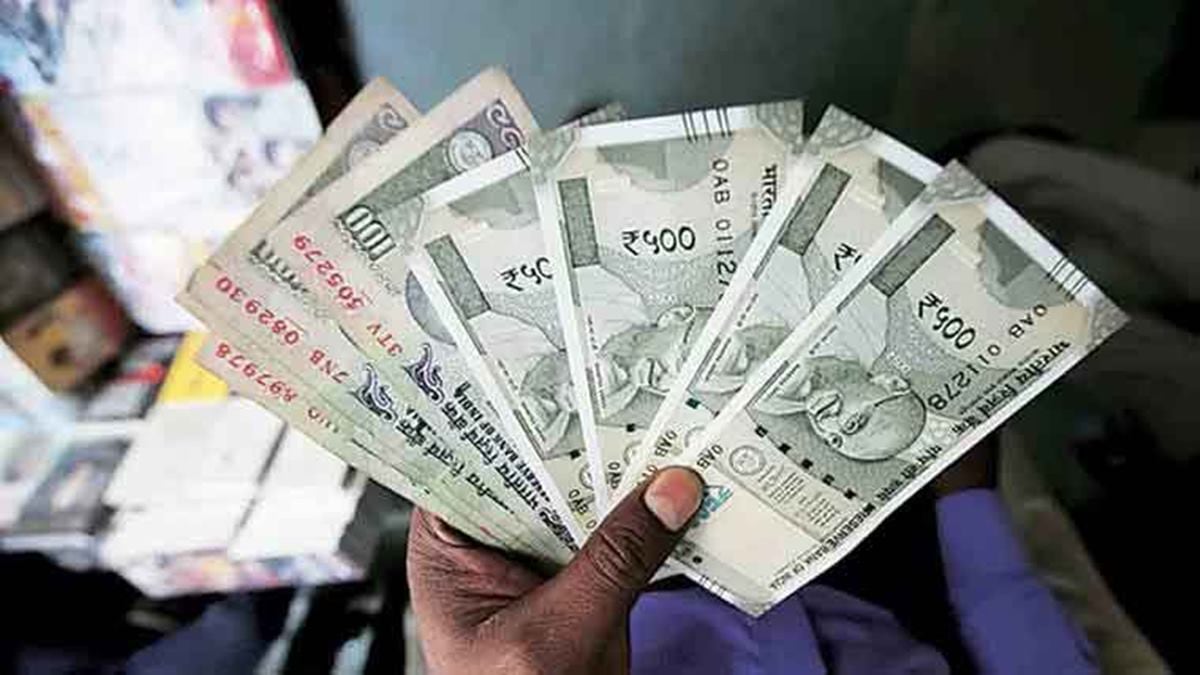
The current Indian banknote family is printed on a specialized substrate made from 100% cotton fiber rags. While this blend gives Indian rupees their distinctive texture, it leaves the currency highly vulnerable to tearing, folding degradation, soil buildup, and moisture damage.
The proposed switch to a polypropylene plastic substrate addresses several critical operational pain points:
- 3x to 4x Longer Lifespan: Polymer notes are physically resilient. Financial analysts indicate that a plastic banknote can remain clean and functional in active circulation three to four times longer than paper equivalents, drastically lowering long-term printing and replacement expenditures.
- Hygiene and Water Resistance: Unlike porous paper, the surface of a plastic note is completely non-porous. It does not absorb moisture, oils, or sweat, making it completely waterproof, highly stain-resistant, and inherently cleaner to handle.
- Fortified Security Features: Plastic bills allow security printers to embed advanced cryptographic and anti-counterfeiting elements that are physically impossible to replicate on paper. These features include transparent optical windows, complex color-shifting holograms, and intricate raised-ink profile layers.
The Strategic Trial Blueprint
To validate the technology under real-world conditions, the initial rollout is structured around a tightly controlled field trial framework involving 100 crore pieces of ₹10 denomination polymer notes.
The ₹10 note was chosen strategically because lower-denomination currency experiences the highest velocity of circulation and the fastest physical degradation rates in the cash ecosystem. To stress-test the polymer’s durability against India’s extreme environmental diversity, the RBI selected five geographically and climatically distinct trial cities:
- Jaipur: High-heat, arid desert conditions.
- Shimla: Severe winter cold and high-altitude low pressure.
- Kochi: Intense coastal humidity and heavy tropical rainfall.
- Bhubaneswar: High seasonal heat coupled with cyclonic coastal moisture.
- Mysuru: Temperate, stable inland climate profile.
The existing ₹10 paper currency notes will not be demonetized or abruptly withdrawn; instead, the new polymer notes will circulate concurrently alongside legacy bills to monitor how both substrates hold up in daily retail environments.
The Global Precedent
By initiating this shift, India joins a growing list of advanced economies that have progressively abandoned paper currency over the past few decades. Australia pioneered the technology in 1988 to eliminate a wave of high-fidelity counterfeiting, and its entire legal tender system runs strictly on polymer. Since then, central banks in the United Kingdom, Canada, New Zealand, and Singapore have completely or partially transitioned to plastic infrastructure, reporting lower net currency management costs and immediate drops in counterfeit incidents.
For the RBI, the long-term success of the trial could drastically alter state printing economics. Though the upfront cost of importing and printing on raw plastic substrate remains higher than traditional paper processing, the expanded multi-year lifecycle of each note is projected to save the exchequer thousands of crores in production, transport, and sorting logistics over the next decade.
Get the day’s top stories in your inbox
One concise email. No spam, unsubscribe anytime.