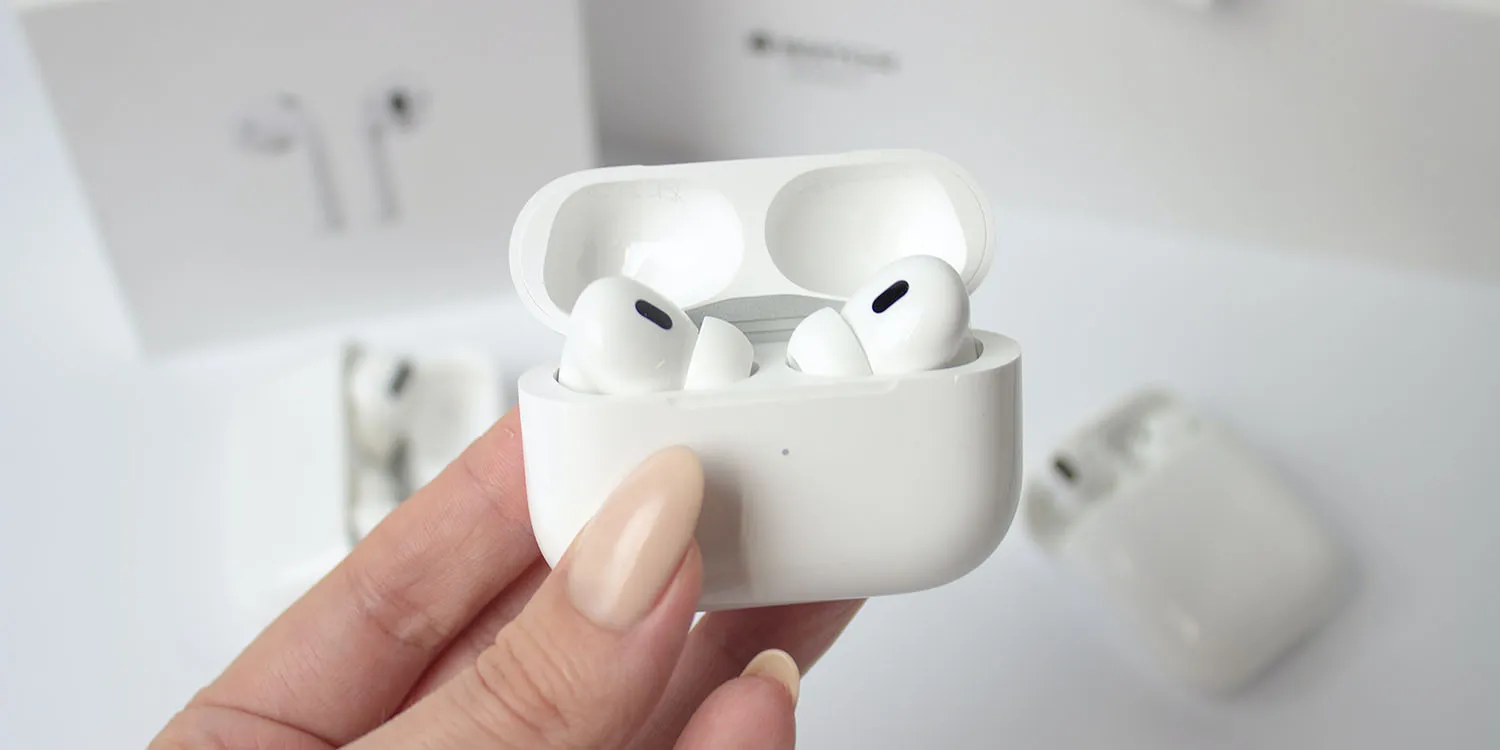
The European Commission has adopted new exemptions to the European Union’s Batteries Regulation, removing the requirement for user-removable and replaceable batteries in several categories of wearable devices, including the Apple Watch and AirPods. The decision means Apple will not have to redesign these products to comply with the broader EU rules requiring consumers to be able to replace batteries themselves.
The exemptions also cover other compact wearable devices such as fitness trackers and smart glasses, where regulators concluded that requiring user-replaceable batteries could compromise safety, durability, water resistance, or product miniaturization. The revised rules still require manufacturers to provide battery replacement options through repair services where applicable, but not necessarily through user-accessible battery compartments.
EU Grants Battery Rule Exemption for Apple Watch and AirPods
The move eases compliance requirements for compact wearable devices.
| Key Highlights | Details |
|---|---|
| Regulator | European Commission |
| Regulation | EU Batteries Regulation |
| Exempted products | Apple Watch, AirPods, fitness trackers, smart glasses |
| Requirement removed | User-removable and replaceable batteries |
| Main reason | Technical and safety limitations |
The exemption applies specifically to categories of products where removable batteries are considered impractical.
Why the EU Changed the Rules
The European Commission cited several reasons for introducing the exemption.
These include:
- Maintaining water resistance.
- Protecting device durability.
- Safety concerns when opening compact electronics.
- Physical size limitations.
- Preserving product reliability.
Officials said the change followed consultations with consumer groups, manufacturers, industry stakeholders, and EU member states rather than being designed for any single company.
Which Devices Are Affected?
| Category | Exemption Status |
|---|---|
| Smartwatches | Exempt |
| Wireless earbuds | Exempt |
| Fitness trackers | Exempt |
| Smart glasses | Exempt |
| Smartphones | Still generally subject to replaceable battery requirements |
The broader Batteries Regulation continues to apply to many portable electronic devices, particularly smartphones and tablets, unless they qualify under specific exemptions.
What This Means for Apple
The exemption allows Apple to continue using its current sealed designs for:
- Apple Watch.
- AirPods.
- Future wearable products.
Without the exemption, Apple may have needed to redesign these products to allow users to remove and replace batteries themselves, potentially affecting size, waterproofing, and durability.
Impact on the Wearables Industry
The revised rules also benefit manufacturers of:
- Smartwatches.
- Wireless earbuds.
- Smart glasses.
- Health and fitness wearables.
Companies developing highly compact wearable devices will no longer face mandatory user-replaceable battery requirements for these categories.
Challenges Ahead
Despite the exemption, manufacturers must still address:
- Product repairability.
- Battery recycling.
- Environmental sustainability.
- Long-term device support.
- Compliance with other EU right-to-repair initiatives.
The delegated act must also complete the EU’s legislative scrutiny process before taking full effect.
Outlook
The European Commission’s decision reflects an effort to balance sustainability goals with the engineering realities of modern wearable devices. While the EU remains committed to improving repairability and reducing electronic waste, regulators concluded that requiring user-replaceable batteries in very small, sealed products could compromise safety, durability, and performance.
For Apple and other wearable manufacturers, the exemption removes a significant regulatory hurdle and allows current product designs to continue largely unchanged in Europe. At the same time, the broader Batteries Regulation will continue to encourage greater repairability and recyclability across many other categories of consumer electronics.
What It Means for the Consumer Electronics Industry
The decision highlights the EU’s increasingly nuanced approach to technology regulation. Rather than applying identical rules to all devices, regulators are recognizing that engineering constraints vary across product categories.
For consumers, Apple Watch and AirPods are likely to retain their existing compact, water-resistant designs. For manufacturers, the exemption provides greater flexibility in designing next-generation wearables while still requiring compliance with broader environmental and recycling standards.
Get the day’s top stories in your inbox
One concise email. No spam, unsubscribe anytime.