Key takeaways
- India still has more demat accounts than ever, but trading activity has slowed.
- The demat slowdown means people are opening accounts, yet many are not buying and selling as often.
- Brokers feel the pain first because lower trading volumes can cut fee income.
- High valuations, fewer wild market swings, and tighter cash may be keeping small investors away.
The demat slowdown is the new twist in India’s stock market story. Demat slowdown means demat accounts keep growing, but trading inside them is cooling. A demat account is a digital account that holds shares. It works like a locker for stocks.
That matters because India’s retail investing boom was one of the market’s biggest stories after the pandemic. Millions of first-time investors joined, and brokers raced to sign them up. But now the mood looks calmer, so the market is seeing fewer trades even as account totals rise.
Why is the demat slowdown happening now?
One simple reason is excitement has faded. During the post-Covid boom, many stocks moved fast each day. Big price swings pull traders in because they think they can make quick gains. Now that action is lower in many pockets, some small investors seem less eager to jump in.
Money is tighter too. Food, rent, school fees, and loan bills all compete for family cash. So people may still keep a demat account, but avoid fresh trades. In many homes, investing has shifted from quick bets to slower saving through mutual funds.
Valuation is another issue. Valuation means the price investors put on a company. If prices already look high, buyers may wait. That can lead to fewer trades, especially from people who joined recently and do not want to buy at what feels like the top.
There is also a behavior change. Many users opened accounts in the boom years, but not all became active traders. Some came for an IPO. An IPO is when a company first sells shares to the public. Others came to try the market, then stepped back after losses or boredom.
What do the numbers say about the demat slowdown?
India’s demat base is still huge. NSDL and CDSL, the two depositories, have together helped push total demat accounts well past 18 crore. A depository is the system that keeps electronic records of shares. That headline number still looks strong.
But account growth and trading growth are not the same thing. Retail cash market turnover on the National Stock Exchange has cooled from the hottest days of the boom. Turnover means the total value of shares traded. Lower turnover usually means less action from traders.
Futures and options activity is also under pressure from rule changes and risk controls. Futures and options are contracts tied to stock prices. They are popular with fast traders, but they can be risky. If fewer people trade them, broker revenue can slow down quickly.
Here is a simple snapshot of the story.
India market snapshot202220232024-25Demat accounts risingTrading cooling
And here is the same idea in a table.
| Trend | What is happening | Why it matters |
|---|---|---|
| Demat accounts | Still rising past 18 crore | More people have market access |
| Cash trading | Retail activity has cooled | Brokers may earn less from trades |
| Derivatives | Rules and caution are biting | Speculative activity may slow |
| Investor mood | More selective than before | Easy gains look harder now |
Who feels the demat slowdown the most?
Discount brokers and trading platforms feel it first. They earn from orders, subscriptions, margin funding, and related services. Margin funding means borrowed money for trading. If fewer users place trades, that revenue line can wobble.
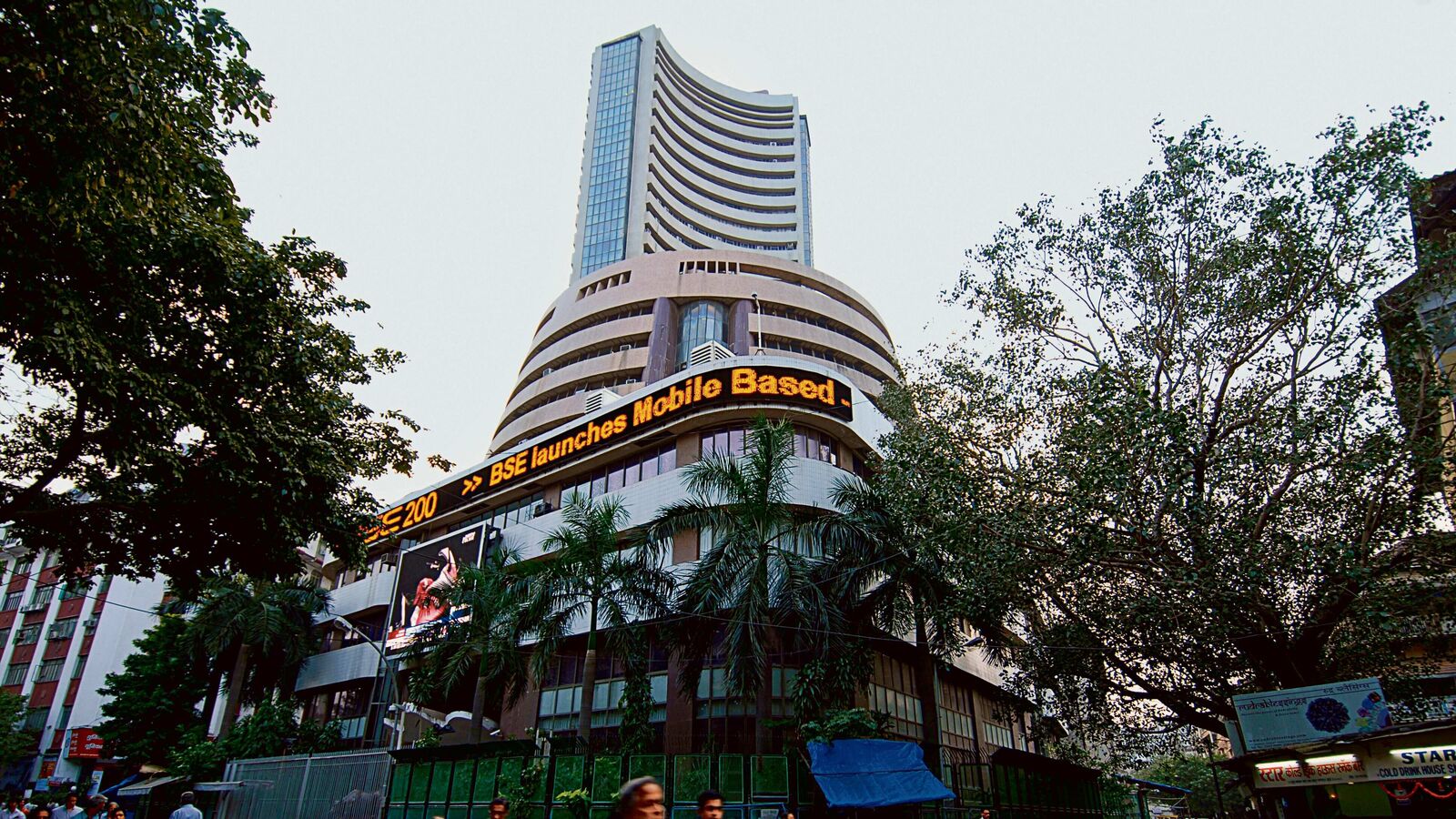
Stock exchanges can also see the effect, though the picture is mixed. If cash turnover falls but derivatives stay busy, the hit may be uneven. Depositories may still benefit from new accounts, because opening and maintaining accounts still brings business.
New investors may feel confused. They hear that India has a record number of demat accounts, so they expect nonstop market heat. But that is not how markets work. More accounts do not always mean more trading, just like more gym sign-ups do not mean more workouts.
Does this mean India’s market boom is over?
Not really. The demat slowdown looks more like a pause than a collapse. India’s savings pool is still growing, and more households now know how to invest. That is a big shift from a decade ago, when stock investing felt far more niche.
In fact, some of the money may simply be moving lanes. Systematic investment plans, or SIPs, have stayed popular. A SIP is a fixed monthly mutual fund investment. That means people may still trust markets, but prefer slow and steady investing over frequent trading.
India’s wider economy also matters here. Strong roads, power, and factory activity can support confidence over time. You can see that in our report on core infrastructure growth hitting 5% in June. A healthier economy does not guarantee daily trading spikes, but it can help long-term investing stay alive.
Liquidity conditions matter too. Liquidity means how easily money moves through markets. The Reserve Bank of India has used tools to manage dollar flows and rupee liquidity, as we explained in our piece on the RBI swap facility pulling in $20.72 billion for India. When money conditions change, trading behavior can change with them.
What should investors watch next?
Watch active users, not just total accounts. An account count is a big headline, but active clients tell you who is really trading. If active users keep slipping for several months, the demat slowdown could become a deeper industry issue.
Also watch broker earnings. If firms report lower order volumes or weaker average revenue per user, that will confirm the trend. Revenue per user means how much money a company makes from each customer. Public broker updates and exchange data often show this early.
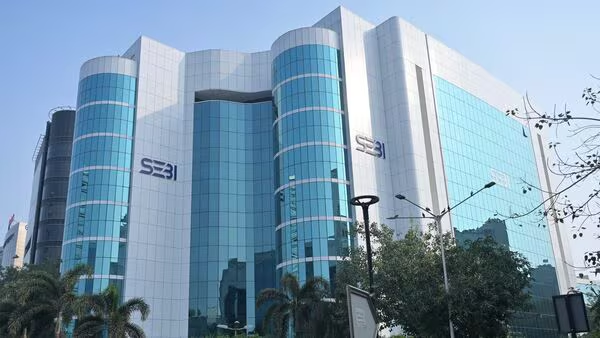
Pay attention to regulation as well. India’s market watchdog, SEBI, has tried to make trading safer, especially in derivatives. You can check primary data and circulars at SEBI. Investors can also track depository trends through CDSL.
The clearest takeaway is this: demat slowdown does not mean people have lost faith in markets. It means the easy, noisy trading phase has cooled. India still has a giant retail investor base. But now those investors seem more careful, more selective, and a lot less trigger-happy.
That may not sound exciting. Still, it could be healthy. Markets often work better when people trade for a reason, not just for a rush. If this demat slowdown pushes investors toward smarter choices, the next phase of India’s market story may be slower but stronger.
FAQs
What is a demat account?
A demat account holds shares in digital form. It is like an online locker for stocks and other securities.
Why are demat accounts rising if trading is slowing?
Many people still open accounts for investing, IPOs, or future use. But they may not trade often right now.
Who is hurt most by the demat slowdown?
Brokers and trading apps can feel it first because fewer trades can mean lower fee income.
How long could the demat slowdown last?
It depends on market mood, valuations, rules, and household cash. If volatility returns, trading could pick up again.
Get the day’s top stories in your inbox
One concise email. No spam, unsubscribe anytime.