Key takeaways
- China soybean imports now lean even more toward Brazil, not the US.
- Brazil shipped more because its harvest was big, prices were sharp, and logistics improved.
- US exports to China fell even after warmer political signals between Washington and Beijing.
- The shift matters for feed costs, farm incomes, and global crop trade.
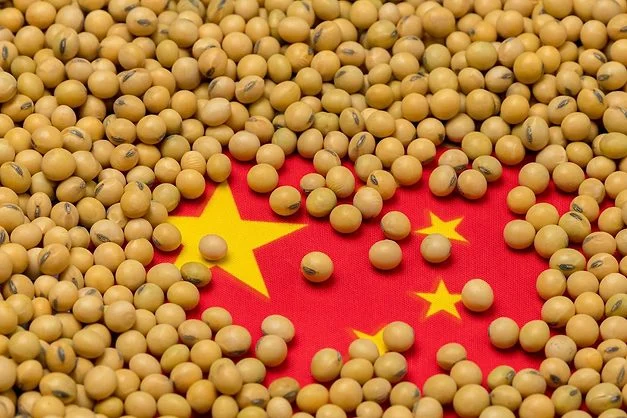
China soybean imports are the huge flow of soybeans China buys from other countries each year. Soybeans are small beans crushed into oil and animal feed. Right now, China soybean imports are moving more toward Brazil, while US shipments have lost ground.
That change looks simple on the surface. China buys where the price, timing, and supply work best. But this story is bigger than one crop, because it shows how trade can shift even when top leaders try to cool tensions.
Why are China soybean imports moving toward Brazil?
Brazil has had three big advantages. First, it harvested a very large crop. Second, its soybeans were often cheaper. Third, its ports and shipping routes handled exports better, so buyers could get cargoes on time.
China is the world’s biggest soybean buyer by far. It uses most beans to make soy meal, which is feed for pigs and poultry. Feed means food for farm animals. So if soybeans get cheaper, meat producers can also breathe a little easier.
Brazil has become China’s top soybean supplier over several years, not just this season. In many months, Brazil now sends more than half of China’s imported soybeans. The US still matters, but it is no longer the clear leader it once was.
Price has been a huge reason. If one cargo is even a few dollars cheaper per tonne, giant buyers notice fast. A tonne is 1,000 kilograms. When China buys millions of tonnes, small price gaps turn into very big money.
What happened to US shipments?
US soybean shipments to China fell despite friendlier words between leaders. That matters because markets had hoped politics would help trade recover. Instead, buyers kept following economics first.
Season timing also plays a role. Brazil usually dominates after its harvest hits the market. The US tends to get stronger later in the year, after its own harvest. But even with that pattern, Brazil’s lead has stayed wide.
There is also a trust issue built over years of trade fights. Chinese buyers learned not to depend too much on one source. So they spread risk across suppliers, and Brazil has been the biggest winner.
China soybean imports are shifting toward Brazil because buyers care most about price, supply, and reliability. Politics can change the mood, but it does not always change the cargo list.
How big is this trade, in simple numbers?
The soybean trade is massive. China has imported around 100 million tonnes of soybeans a year in recent years. In some seasons, Brazil has supplied roughly 70 million tonnes or more, while the US has shipped far less.
Those figures move by season, weather, and price. Still, the direction is clear. Brazil’s share has grown, while the US share has shrunk from its old highs.
Illustrative supplier split in China soybean importsBrazilUS~70%~40%Higher share
The chart above is a simple picture, not an official monthly count. It shows the broad trend seen in recent trade flows: Brazil ahead by a clear margin. For official US export data, readers can check the US Department of Agriculture. China customs data and policy signals also help explain the shift.
| Supplier | Main strength | Main risk |
|---|---|---|
| Brazil | Large harvests and strong prices | Weather and port bottlenecks |
| United States | Reliable farming base and scale | Trade tension and weaker price edge |
| Argentina | Important soy products market | Smaller role in whole bean supply to China |
Why does this matter beyond farmers?
This is not only a farm story. Soybeans sit near the start of a long chain. They affect cooking oil, animal feed, pork prices, chicken costs, and inflation pressure.
Inflation means prices rising across the economy. If feed costs jump, food can get costlier too. So China soybean imports matter to families, not just traders staring at screens.
The shift also says something about global power. Brazil has used demand from China to expand its farm trade role. That gives Brazil more weight in world agriculture and more influence in commodity markets.
The US, meanwhile, still has a huge farm sector. But it faces a harder fight in China than before. American farmers may need stronger demand from other buyers if China keeps leaning toward Brazil.
Could the balance change again?
Yes, because crop markets change fast. A drought in Brazil, floods in the US, or a surprise tariff could move trade flows within months. A tariff is a tax on imports or exports. Weather can do as much damage as politics.
China may also keep diversifying suppliers. Diversifying means not relying too much on one source. That lowers risk if one country has a bad harvest or a political clash.
Still, Brazil starts from a strong spot. It has scale, improving infrastructure, and a close trade link with China. Unless prices swing sharply, Brazil looks set to stay in front.
What should readers watch next?
Watch three things. First, track soybean prices in Brazil and the US. Second, look at harvest forecasts, because weather can flip trade math fast. Third, follow any new trade steps from Washington and Beijing.
If you want a wider read on how trade and supply shifts can ripple through markets, our coverage of core infrastructure growth shows how big sectors react to changing demand. And our piece on the RBI swap facility explains how policy tools can steady markets when global flows turn choppy.
For primary-source agriculture data, the USDA PSD database is useful. It tracks crop output, trade, and stock estimates across major countries.
FAQs
Why does China buy so many soybeans?
China uses soybeans for cooking oil and animal feed. Feed is the biggest reason, because the country raises huge numbers of pigs and poultry.
What makes Brazil cheaper right now?
Brazil has had large harvests and strong export momentum. So its beans have often landed in China at better prices than US cargoes.
Could the US become China’s top supplier again?
Yes, but it would need help from price, weather, and politics. If US crops are strong and Brazil stumbles, the gap could narrow.
Who loses if US shipments stay weak?
US farmers feel the pain first. Grain handlers, shippers, and rural towns can also feel it, since less export demand means less business.
Get the day’s top stories in your inbox
One concise email. No spam, unsubscribe anytime.