The BYD Hungary probe is a review of whether an old state deal was proper. Hungary is checking a past agreement linked to Chinese carmaker BYD. The case drew heat because a former foreign minister later took a job at the company. That timing is why the BYD Hungary probe matters now.
Key takeaways
- Hungary is reviewing a past BYD-related government deal.
- The scrutiny grew after ex-foreign minister Péter Szijjártó took a role linked to BYD.
- Investigators appear to be asking if there was a conflict of interest. A conflict of interest means personal gain could affect public duty.
- BYD is central to Europe’s EV race, so the case could matter beyond Hungary.
What is the BYD Hungary probe about?
At the center is a simple question. Did a government deal involving BYD follow the rules, and did anyone benefit unfairly later?
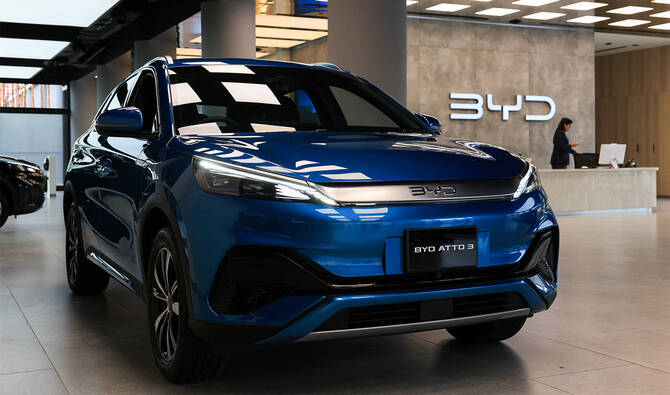
Hungarian authorities are looking at an older agreement tied to BYD’s expansion plans in the country. BYD is a major electric vehicle maker from China. An electric vehicle, or EV, is a car that runs on batteries instead of petrol or diesel.
The issue got bigger after former foreign minister Péter Szijjártó took a job at BYD, according to the source report. That does not prove wrongdoing. But it can raise concerns because top officials often have inside knowledge and strong political ties.
This is why investigators often look for a “cooling-off” gap. That means time between leaving office and joining a firm linked to past decisions. The goal is to stop public power from turning into private advantage too fast.
Why does the former minister’s job matter?
People expect public officials to act for the country, not for future employers. So when a former minister joins a company tied to a previous state deal, questions come quickly.
Those questions usually focus on process. Who approved the deal? What promises were made? Were rivals treated fairly? And did the official have influence over the same project while in office?
That is the heart of the BYD Hungary probe. It is less about headlines and more about whether the rules were followed from start to finish.
In many countries, this kind of case falls under ethics or anti-corruption checks. Ethics rules guide fair conduct in public life. Anti-corruption checks try to stop public office from being used for hidden rewards.
Why is BYD so important to Hungary and Europe?
BYD is not a small player. It is one of the world’s biggest EV makers, and it has expanded fast across Europe. Hungary wants more factory jobs and more investment, so Chinese car and battery groups have become important partners.
That makes the BYD Hungary probe about more than one person. It also touches Hungary’s wider economic strategy. The country has worked hard to attract Chinese manufacturing, especially in cars, batteries, and supply chains.
A supply chain is the network that moves parts and products from raw materials to the final buyer. In carmaking, that can include battery cells, motors, chips, metal parts, and shipping.
Hungary has pitched itself as a bridge between East and West. So any probe tied to a flagship Chinese investor can send a political signal. It may affect trust, even if no breach is found in the end.
Why the case mattersEthicsIndustryPoliticsHighHigherHighest
What could investigators look at next?
Reviews like this often examine documents, meeting records, and timelines. They may check when the deal was signed, what the terms said, and when the job offer happened.
They may also ask whether the deal gave special advantages. For example, that could mean tax breaks, land access, or faster permits. A permit is an official yes from the government to do something, like build or expand.
If there was a tender, that process may also be checked. A tender is a formal contest where companies bid for a contract. The aim is to make public deals fair and open.
Here is a simple way to see the timeline questions in the BYD Hungary probe:
| Step | Why it matters |
|---|---|
| Government deal with BYD | Shows what was agreed and who approved it |
| Official leaves public office | Starts the clock for any cooling-off period |
| Former minister joins BYD | Raises conflict-of-interest concerns |
| Authorities review the case | Tests if rules and ethics standards were followed |
Could this affect BYD’s Europe plans?
It could, but not always in a direct way. A probe does not mean a project stops. Still, it can slow decisions, create political noise, and make future deals face tougher questions.
BYD has big ambitions in Europe because the region is a key EV market. Europe also wants more local production, not just imported cars. That is why factories, jobs, and state support are all sensitive issues.
For readers tracking industrial policy, this story fits a larger pattern. Governments want investment, but they also want clean rules. You can see a similar tension in sectors like infrastructure and manufacturing, as in our coverage of core infrastructure growth in June and UltraTech Cement profit rises 17% on better prices.
Europe has also become more alert to trade and competition concerns linked to China. That is not just about cars. For another example of how regulators are taking a harder line, see our report on the AliExpress EU fine.
What does this mean for ordinary people in Hungary?
First, it is about trust. People want to know if leaders made decisions fairly. That matters even when the project promises jobs and factories.
Second, it is about money. Public deals can involve tax support, land, roads, power links, or training plans. If a deal is weak or unfair, taxpayers may carry the cost later.
Third, it is about rules for the future. If this review leads to stricter ethics standards, then later deals may be clearer and cleaner. In fact, that may be one of the biggest effects, even if no one is punished.
A clear answer to the core question is this: the BYD Hungary probe is testing whether a past state deal stayed fair after a former minister later joined the company. That matters because public trust depends on clean lines between government power and private jobs.
What do we know for sure right now?
We know Hungary has opened a review tied to a past BYD-related arrangement, and the timing of a former minister’s new role helped trigger scrutiny. We do not yet know the final result.
We also know BYD is too important in Europe for this story to stay local for long. If the case grows, other countries may look harder at how they handle big foreign investment deals.
For official background on company activity, readers can check BYD’s corporate site. For country and policy context, the Eurostat database helps show why Europe’s auto and industrial base matters so much.
FAQs
What is BYD?
BYD is a Chinese company that makes electric cars, batteries, and other clean-energy products.
Why is Hungary investigating now?
The review gained attention after a former foreign minister took a job at BYD, which raised conflict-of-interest questions.
Could the probe stop BYD projects?
Not automatically. But it could slow approvals or bring stricter checks while officials review the facts.
Get the day’s top stories in your inbox
One concise email. No spam, unsubscribe anytime.