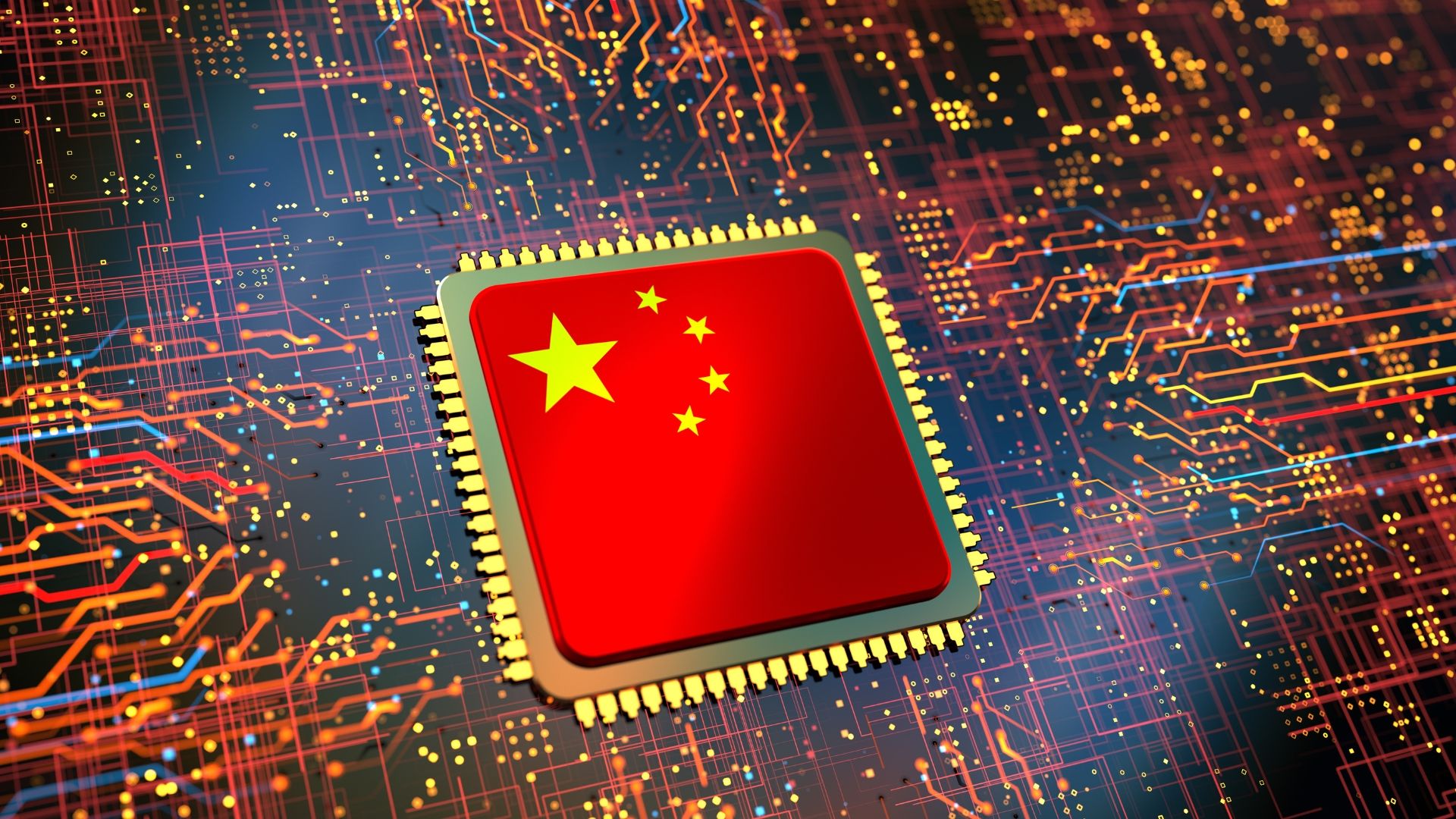
China chip AI rules may soon get tougher, according to a Commerce Ministry official. China chip AI rules are government controls for computer chips and artificial intelligence. That matters because chips power phones, servers, cars, and AI tools. New rules could affect what firms build, buy, and sell.
Key takeaways
- China signaled fresh regulation for chips and AI through a Commerce Ministry official.
- The move could shape supply chains, prices, and tech competition at home and abroad.
- Semiconductors are tiny electronic parts that help devices think and work.
- Investors will now watch for draft rules, timing, and which companies face limits.
What did the official say about China chip AI rules?
A Chinese Commerce Ministry official said regulatory action on chips and AI is coming. Reuters reported the remark on July 14. The statement did not include full new rules yet, but it clearly pointed to tighter oversight ahead.
That matters because Beijing often signals policy before publishing details. Oversight means the government checks, guides, or limits what companies can do. So even a short official comment can move markets and change business plans.
Right now, many key questions remain open. Will the rules cover chip exports, local production, AI models, or data use? Data use means how companies collect, store, and share information. Until a draft appears, firms can only prepare in broad ways.
Why do China chip AI rules matter so much?
Chips sit inside almost every modern machine. A smartphone has many chips. A big AI data center can use tens of thousands of advanced chips. So any shift in China chip AI rules can ripple across electronics, cloud computing, and manufacturing.
China is also one of the world’s biggest tech markets. It buys huge amounts of semiconductors and tries hard to make more at home. As a result, regulation there can affect global supply chains, which are the long webs of factories, shippers, and buyers.
AI raises extra pressure because governments worry about security, fraud, and economic power. Artificial intelligence means software that can learn patterns and generate answers, images, or code. China already regulates parts of the internet, so new AI steps would fit that broader pattern.
Why this mattersPhonesData centersAI systemsMany chips10,000sHigh concern
What could the new controls actually target?
The official signal was broad, so there are several likely targets. One is advanced chips used for training AI systems. Training means teaching an AI model by feeding it huge amounts of data. Another is software tools that help design chips.
China could also tighten checks on exports, imports, or local sales. Export controls are rules that limit what goods can leave a country. Governments use them for security or strategic reasons, not just trade.
Another possibility is rules for AI services themselves. That could include licensing, safety checks, or limits on what chatbots can say. A license is official permission from the government. China has used that system before in other online sectors.
Officials may also focus on who gets access to top computing power. Computing power means the amount of machine muscle available to run hard tasks. If the state sets quotas or approvals, companies may need more paperwork before launching new products.
How does this fit the wider tech fight?
China chip AI rules do not exist in a vacuum. They come as the United States and its allies tighten limits on advanced technology sales to China. That includes some of the most powerful AI chips and the tools needed to make them.
Because of that, China has pushed harder for self-reliance. Self-reliance means making more key technology at home instead of depending on foreign suppliers. Beijing has backed domestic chipmakers with funding, policy support, and state demand.
The pressure goes beyond chips alone. Rare earths, batteries, cloud systems, and data rules all connect in this contest. For example, our report on the rare earth dispute between Australia and China shows how one material fight can spill into bigger tech supply battles.
Europe is moving on digital controls too, though in a different way. Our piece on digital euro rules shows how states want more say over vital digital systems. That doesn’t mean the same policy, but the trend is clear: governments want tighter control over critical tech.
What should companies and investors watch next?
First, watch for a draft or formal policy notice. A draft is an early version of a rule. It often reveals who is covered, what counts as sensitive technology, and when firms must comply.
Second, look at timing. A rule announced this year may not fully bite at once. Some measures start in 30 days, while others phase in over six months or a year. Those dates matter because companies need time to redesign supply plans.
Third, follow which sectors get named. Chip equipment makers, cloud providers, and AI startups may face different rules. A startup is a young company trying to grow fast. If only advanced systems are targeted, smaller firms may face less immediate pain.
Investors should also read company filings closely. Public firms often warn about policy risk before it hits revenue. Revenue means the money a business brings in from sales. A small wording change in a filing can hint at bigger trouble ahead.
| Area | What regulators may target | Why it matters |
|---|---|---|
| Advanced chips | Sales and access | AI training could slow |
| Chip tools | Design and manufacturing software | Local production may get harder |
| AI services | Licensing and content checks | Product launches may face delays |
| Computing power | Approvals or quotas | Costs and wait times may rise |
Could this change prices and supply chains?
Yes, it could. If firms must switch suppliers, costs often rise first. If they must stockpile chips, they may buy extra now and create short-term spikes in demand. Stockpile means storing more goods than usual in case supply gets tight later.
Even small frictions can add up. A single delayed permit can slow one shipment. Then a factory misses a deadline. Then a customer waits longer for servers or electronics. That’s how policy can turn into real-world delays.
There are already examples from recent years. Restrictions on top AI chips have pushed some Chinese firms toward local alternatives. Those substitutes may improve over time, but they can still lag global leaders in speed or efficiency today.
For the clearest official trail, readers can track China’s Ministry of Commerce and broader state policy updates from the Chinese government portal. Reuters first reported the official’s warning, but formal notices will matter most.
What is the big takeaway from China chip AI rules?
Here is the plain answer readers can quote: China chip AI rules are likely to tighten government control over advanced semiconductors and artificial intelligence, which could reshape business plans, supply chains, and tech competition. The details are not public yet, but the signal itself is strong.
That is why companies are listening now, not later. Policy in this sector can move faster than factory plans. And because chips are the brains inside modern machines, even one rule change can travel far beyond China.
FAQs
What are China chip AI rules?
They are government rules for semiconductors and artificial intelligence. They can limit sales, access, production, or use.
Why would China tighten these rules?
China may want more control over security, data, and key technology. It also wants stronger local tech capacity.
When will the new rules take effect?
No exact date is public yet. Investors and companies now await draft texts or formal notices.
Get the day’s top stories in your inbox
One concise email. No spam, unsubscribe anytime.