Key takeaways
- Copper prices climbed to a three-week high as buyers in China stepped in.
- Traders also worried about supply from big mining countries like Chile and Peru.
- China matters a lot because it uses about half of the world’s copper.
- The move can affect costs for wires, electric cars, construction, and electronics.
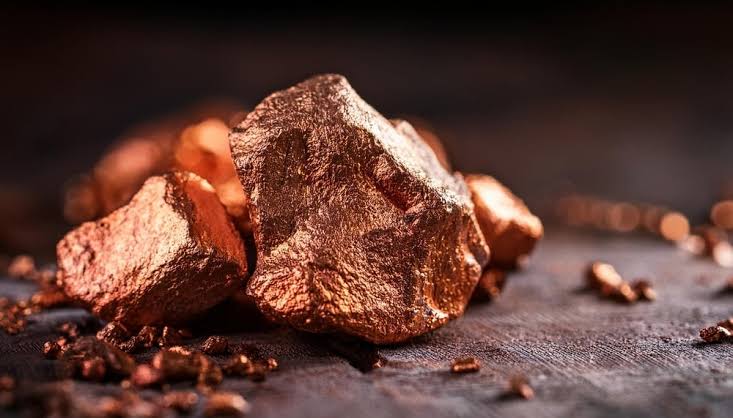
Copper prices jumped as stronger buying from China met fresh supply worries. Copper prices are the cost of buying copper, a metal used in power lines, phones, cars, and buildings. The latest rise pushed copper to its highest level in about three weeks. That matters because copper often acts like a scoreboard for the world economy.
On the London Metal Exchange, or LME, benchmark copper rose near $9,900 a tonne in trading. A tonne means 1,000 kilograms. Reuters reported the metal touched its highest level since late June, helped by signs of firm demand in China and concern about mine output.
Why are copper prices rising now?
The biggest reason is China. It is the world’s top copper buyer, so when Chinese factories and traders buy more, prices often move fast. Recent demand looked stronger than some traders expected, especially in the spot market. The spot market means buying for quick delivery.
There is also concern about supply. Copper comes from mines, and even small problems can shake the market. Traders watched Chile and Peru closely because they are two of the world’s biggest copper producers. If shipments slow, buyers may rush to lock in metal sooner.
Supply worry does not always mean a mine has stopped. Sometimes the fear is about lower output, transport delays, or less ore quality. Ore is the rock that contains metal. Even that can tighten the market if demand is already solid.
Why does China matter so much for copper prices?
China is the giant in this market. Many analysts say it uses roughly 50% of the world’s copper. That metal goes into apartment blocks, air conditioners, power cables, trains, electric vehicles, and factory machines. So, when China buys more, the world notices right away.
Recent trade data from China has also supported the mood in commodities. Commodities are basic goods like oil, wheat, and metals. Better trade numbers can suggest factories are still busy, and that can mean more need for raw materials like copper.
China’s property market is still a weak spot, but copper demand has other drivers too. Grid spending helps. Grid means the power network that carries electricity. Clean energy projects and electric vehicles also use large amounts of copper, so demand can stay firm even when housing slows.
Key numbers behind copper prices3 weeks~50%~$9,900HighChina shareLME/tonne
What supply worries are traders watching?
Miners in Chile and Peru sit at the heart of this story. Chile alone produces around a quarter of the world’s mined copper in many years. That is a huge share. Peru is also one of the top exporters, so any issue there can rattle the market.
Supply can tighten for many reasons. Labor disputes can slow work. Bad weather can hit transport. Lower grades at mines can reduce output because each truckload contains less copper than before. Traders do not need a full shutdown to get nervous.
That is why copper prices can rise even when global growth feels mixed. Markets look ahead. If traders think future supply may get tighter while current demand is improving, they bid prices up now.
What do higher copper prices mean for people and companies?
Copper is everywhere, even if you never see it. It sits inside charging cables, motors, refrigerators, solar panels, and home wiring. So, higher copper prices can raise costs for manufacturers. That does not always hit shoppers right away, but it can over time.
Electric vehicle makers care a lot because EVs use more copper than many petrol cars. Renewable energy companies care too. Wind farms and solar parks need lots of cables and transformers. A transformer is a machine that helps move electricity safely.
Builders also watch this market. Copper is used in pipes, roofs, and electrical systems in homes and offices. If the metal stays expensive for months, project budgets can get squeezed. That can matter alongside other cost trends, like flat cement prices during monsoon season.
How does this fit into the bigger commodities picture?
Metals, oil, and farm goods often move together when traders change their view on growth. Copper is special, though, because many investors treat it as a quick signal on industry. If copper prices rise on real demand, that can hint factories are still buying and building.
But one day does not make a trend. Markets can swing fast on data, policy news, or supply headlines. We have seen that in energy too, for example in our coverage of Iran oil exports after the US waiver exit and the rare earth dispute between Australia and China.
A clear way to say it is this: copper prices are rising because China is buying and traders fear supply may tighten. If both forces stay in place, prices could remain firm. If one fades, the rally may cool.
Key copper numbers at a glance
| Item | Latest signal | Why it matters |
|---|---|---|
| LME copper | Near $9,900 a tonne | Shows global benchmark pricing |
| Recent move | Three-week high | Signals stronger short-term sentiment |
| China share of demand | About 50% | China buying can move the whole market |
| Main supply watch | Chile and Peru | Top producers affect global availability |
What should readers watch next?
First, watch China import and factory data. If those numbers stay solid, copper prices may keep support. Second, watch headlines from major mines in Chile and Peru. A strike, weather hit, or shipment delay can move prices in hours.
Also keep an eye on the US dollar. Most metals are priced in dollars, so a weaker dollar can make copper cheaper for buyers using other currencies. That can help demand. For official market data, readers can track the London Metal Exchange and trade figures from China’s General Administration of Customs.
For now, the message is simple. Copper prices are climbing because demand looks better and supply feels less certain. That mix often gives metals a lift, and this time copper is leading the move.
FAQs
Why do copper prices matter?
They matter because copper is used in many everyday products. It can affect costs for electronics, homes, cars, and power systems.
What is pushing copper prices higher?
Two things are doing most of the work: stronger China demand and worries about supply from major mining countries.
Who uses the most copper in the world?
China is the biggest user by far. Many estimates put its share at about half of global demand.
Get the day’s top stories in your inbox
One concise email. No spam, unsubscribe anytime.