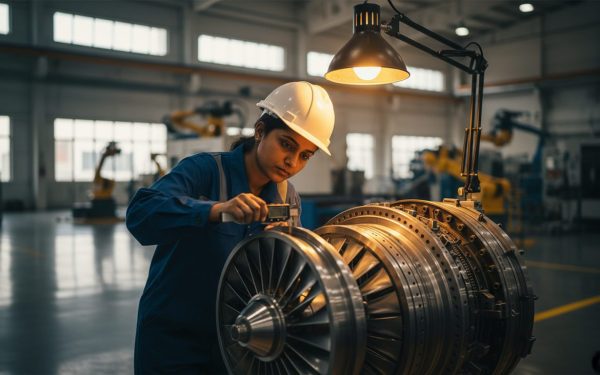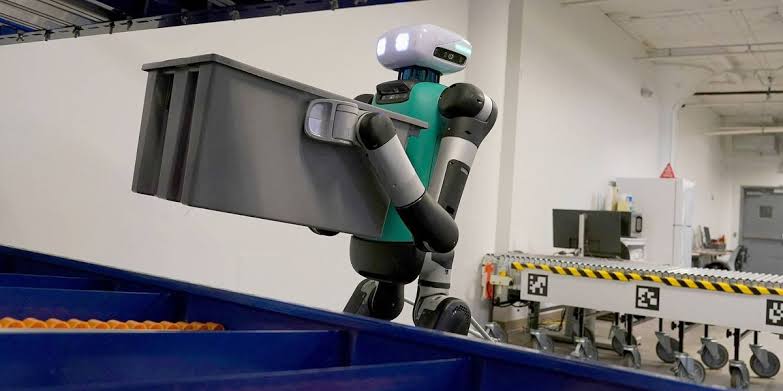
The Blackstone Futronic deal is Blackstone’s investment in a South Korean company that makes robot parts. A robot part is a piece that helps a machine move or work. The move matters because factories want more automation, which means using machines to do jobs people once did by hand.
Key takeaways
- Blackstone is investing in Futronic, a South Korean maker of robotics components.
- The bet is tied to rising demand for factory automation in Asia and beyond.
- Robotics parts may look small, but they sit inside bigger machines used in plants and warehouses.
- The deal shows private equity still wants industrial tech, not just flashy software and AI.
What is the Blackstone Futronic deal?
The Blackstone Futronic deal gives one of the world’s biggest investment firms a seat in a fast-growing robotics supply chain. A supply chain is the path goods take from raw material to final product. In this case, Futronic makes components that help robots move with speed and precision.
Blackstone has not made this bet for fun. It is chasing a market that many investors think will keep growing for years. South Korea is already one of the most robot-heavy countries in the world, so it gives Blackstone a strong base.
Deal values were not fully detailed in the source report, but the message is clear. Big money wants in on the hardware behind automation. That matters because robot makers need trusted suppliers before they can scale up.
Why would Blackstone want a robotics parts company?
Robots often get attention for what they do on the factory floor. But the real business can sit deeper in the machine. Parts makers sell the motors, motion systems, and control pieces that let robots bend, lift, sort, or weld.
That is why the Blackstone Futronic deal stands out. It is less about a flashy robot and more about the hidden parts inside many robots. Investors like that because suppliers can sell to many customers, not just one brand.
Blackstone also knows factories are under pressure. Labor costs are rising in many places. Companies also want fewer errors, faster output, and round-the-clock work. As a result, more plants are adding automation.
For readers who follow tech money, this looks like a classic private equity move. Private equity means a firm buys into companies that are not traded on a stock market. The idea is to help them grow, then earn more money later.
How big is the robotics market that Blackstone is chasing?
The global industrial robotics market is already huge, and many forecasts say it will keep climbing. The International Federation of Robotics said factories installed about 541,000 industrial robots worldwide in 2023. That is a concrete sign that demand is real, not just hype.
South Korea is especially important here. The same industry body has long ranked it among the world leaders in robot density. Robot density means how many robots a country has for every 10,000 factory workers. South Korea’s figure has been above 1,000, which is far ahead of most countries.
China also matters because it buys and installs large numbers of robots every year. Meanwhile, car plants, chip factories, and electronics makers all need precise machines. So a supplier with strong engineering can grow with many industries at once.
Key robotics numbersGlobal installs541kKorea density1000+Not to same scale
Here is a simple snapshot of the market signals behind the Blackstone Futronic deal. The two figures below do not use the same scale, but they show why investors are paying attention.
| Metric | Figure | Why it matters |
|---|---|---|
| Global industrial robot installs, 2023 | About 541,000 | Shows strong annual demand |
| South Korea robot density | 1,000+ per 10,000 workers | Shows deep factory automation |
| Blackstone assets under management | Over $1 trillion | Shows firepower for more deals |
Why South Korea matters in the Blackstone Futronic deal
South Korea is not just a place that uses robots. It is also a place that builds advanced parts for semiconductors, electronics, cars, and factory gear. Semiconductors are the tiny chips inside phones, cars, and computers. That industrial base gives component makers a strong home market.
Futronic can also benefit from nearby export demand. Asia has many of the world’s largest factories. So if a supplier wins orders in Korea, it may also find customers in China, Japan, Taiwan, and Southeast Asia.
This is one reason the Blackstone Futronic deal fits a bigger trend. Investors are looking at hard-tech manufacturing again. Hard tech means real physical products like machines, chips, or power systems, not just apps.
We have seen a similar focus on industrial strategy in other sectors too. For example, India is pushing deeper local manufacturing in electronics, as we explained in our report on electronics value addition in India. And in chips, competition is heating up, as shown in our Biren supernodes story.
What could change at Futronic after Blackstone invests?
Fresh capital can help a company do three simple things. It can build more capacity, improve research, and buy rivals. Capacity means how much a factory can produce. Research means designing better products for future demand.
With Blackstone behind it, Futronic may try to expand sales beyond Korea. It could also deepen links with robot makers serving car plants, battery factories, and warehouses. Those are big customers because they often place repeat orders.
The Blackstone Futronic deal could also push Futronic to improve margins. Margin means how much money a company keeps after costs. Private equity owners often focus hard on efficiency, pricing, and expansion.
Still, there are risks. Manufacturing can swing with the economy. If factories cut spending, robot orders can slow. Also, robotics suppliers face fierce competition on both price and quality.
How does this fit broader investor trends?
For a while, the loudest tech stories were all about generative AI. But real-world machinery is drawing money too. A robot still needs physical parts, even if smart software tells it what to do.
That is why the Blackstone Futronic deal may have lasting value. It sits at the meeting point of AI, automation, and industrial production. In simple terms, it backs the picks and shovels, not just the gold rush.
Investors often like this layer because it can be less trendy and more durable. If ten robot brands compete, a trusted parts supplier might still sell to several of them. That can spread risk across customers.
You can see the same wider pressure for smarter factories in other business areas. Banks are tightening checks in trade flows, as we noted in our RBI trade records report. And global cost pressure is also reshaping tech work, as in our story on IT contract discounts.
What does the Blackstone Futronic deal mean for readers?
Here is the plain answer. The Blackstone Futronic deal shows that smart investors think factories will buy more automation tools for years. That means the companies making hidden machine parts may become more valuable.
It also tells us something bigger about technology. Not every major tech bet is a consumer gadget or chatbot. Sometimes the important story is a quiet supplier that helps giant factories run faster, safer, and longer.
For workers, students, and founders, the lesson is simple. The future of tech is not only software. It is also motors, sensors, chips, and the firms that connect them into useful machines.
For primary details on robotics data, readers can check the International Federation of Robotics. For Blackstone’s broader business and investment profile, see the firm’s official site at Blackstone.
FAQs
What is Futronic?
Futronic is a South Korean company that makes parts used in robotics and automation systems. These parts help machines move accurately and work in factories.
Why did Blackstone invest in Futronic?
Blackstone wants exposure to robotics growth. It appears to see steady demand from factories that need more automation.
Why does the Blackstone Futronic deal matter?
It matters because it shows investors are backing the core hardware behind robots, not just software. That can be a strong long-term business if automation keeps spreading.
How big is South Korea in robotics?
South Korea is one of the world’s most automated manufacturing countries. It has one of the highest robot densities anywhere, which makes it a key market for robotics suppliers.
Get the day’s top stories in your inbox
One concise email. No spam, unsubscribe anytime.