Key takeaways
- The Apple trade secret lawsuit focuses on a former Apple engineer, not on Jony Ive.
- Apple says confidential company files were taken before the engineer joined a new AI hardware startup.
- Trade secrets are private business know-how. Companies use them to protect designs, plans, and methods.
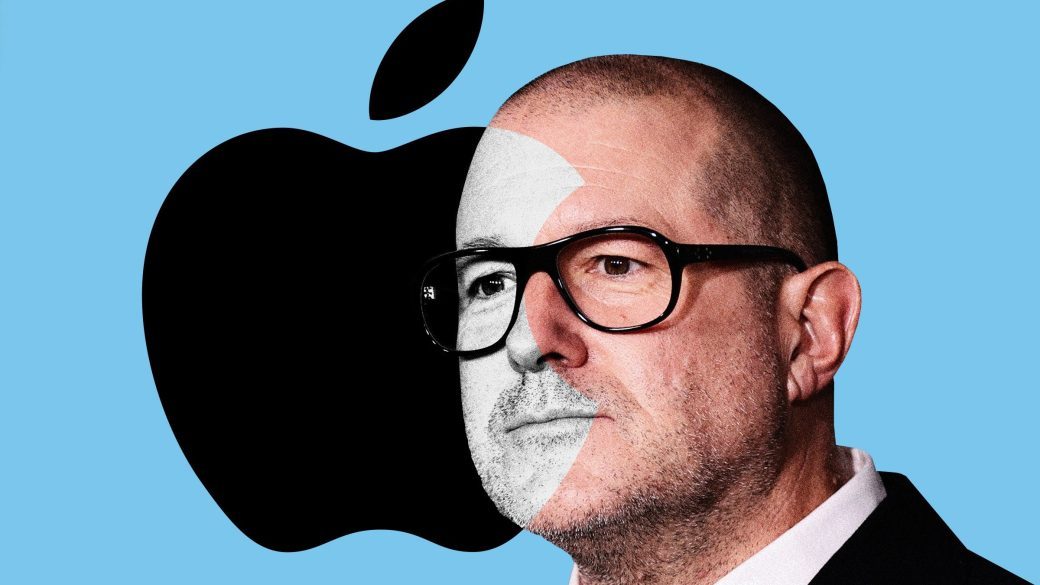
- Jony Ive appears in the wider story, but Apple did not name him as a defendant or accuse him in court papers.
The Apple trade secret lawsuit is a court fight about secret work information. Trade secrets means private ideas, files, or methods a company wants to protect. Apple says a former employee kept confidential material, but the filing does not accuse Jony Ive. That choice matters because people often link Ive to new AI device plans.
What is the Apple trade secret lawsuit about?
Apple filed the case against a former engineer tied to product design work, according to reports on the complaint. Apple says the employee copied or kept internal files before leaving the company. Those files allegedly included sensitive details linked to Apple projects.
In a case like this, the key issue is control of information. A complaint is the document that starts a lawsuit. It tells the court what one side says happened and what it wants in return.
Apple’s argument appears simple. The company says its private work should not travel with an employee to a new job. That matters even more in hardware, because product plans can take years and cost millions of dollars.
Reports say the former employee later joined a startup connected to OpenAI and Jony Ive. OpenAI is the company behind ChatGPT. Jony Ive is Apple’s former design chief, and he helped shape the look of the iPhone, iMac, and iPad.
Why did Apple leave Jony Ive out of the Apple trade secret lawsuit?
The short answer is evidence. Apple seems to be aiming the Apple trade secret lawsuit at the person it says handled the files. If Apple does not have proof that Jony Ive took part, naming him would be risky.
Courts care about direct claims, not guesses. A defendant is the person or company being sued. If a big name is added without solid proof, that can weaken a case and create a sideshow.
There is also a legal reason to stay narrow. Apple may want the court to focus on documents, devices, downloads, and timelines. Those details are easier to test than broad claims about who knew what.
That does not mean Ive is unimportant here. It means Apple is drawing a line between a famous figure in the background and the conduct it says it can prove. For readers, that is the central point.
Why does this matter for OpenAI and AI devices?
This fight lands at a tense moment for the AI gadget race. OpenAI has pushed beyond chatbots and software tools. It has also shown interest in hardware, especially after linking up with Jony Ive on device ideas.
Hardware means physical devices you can hold, like phones, earbuds, or wearables. If top designers and AI labs build new products, old employers will watch closely. That is because secret design work can shape how fast rivals move.
Apple has a lot at stake. The iPhone still brings in a huge share of Apple’s revenue. Revenue means the money a company makes from sales. A fresh AI device category could one day challenge the phone’s place in people’s lives.
OpenAI also has a lot to protect. It wants to look serious as it expands into new areas. So even if OpenAI is not the main target, any lawsuit with Apple can raise questions about process, hiring, and internal controls.
What are trade secrets, in plain words?
Trade secrets can be many things. They may include design sketches, supplier lists, chip plans, factory methods, or future product road maps. A road map is a plan for what a company wants to build next.
Unlike patents, trade secrets do not need public filing. A patent is a government-granted right that protects an invention for a set time. Trade secrets stay protected only if the company keeps them private.
That is why exit rules matter so much. Many companies track file access, device use, and cloud transfers near an employee’s last day. If something looks odd, lawyers and security teams step in fast.
Apple is not alone here. Tech firms often sue over data, code, and hiring disputes. We have seen similar pressure in other sectors too, from Indian IT firms facing contract strain to AI companies racing for capacity in stories like Moonshot AI’s compute crunch.
What numbers help explain the stakes?
Apple spent about $31.4 billion on research and development in fiscal 2024, according to its annual filing with the US SEC. Research and development, or R&D, means money spent to create new products and technology. That giant bill shows why Apple fights hard over internal knowledge.
Apple reported net sales of $391 billion in fiscal 2024. Net sales means revenue after certain adjustments, like returns. When a company this large says some files matter, courts know the commercial stakes can be huge.
OpenAI, meanwhile, closed a funding round this year that valued it at about $300 billion, according to widely reported company updates. A valuation is an estimate of what investors think a company is worth. That figure helps explain why every move around OpenAI gets intense attention.
Key figures behind the disputeApple R&D$31.4bnApple sales$391bnOpenAI value$300bn
How does the timeline look so far?
Here is the basic picture people are watching. First, Apple says the employee had access to private material. Then the employee left and joined a startup tied to OpenAI and Ive. After that, Apple went to court.
That sequence is common in trade secret cases. Judges often ask simple questions first. What files were accessed? When were they moved? Where did they go?
| Point | What it means |
|---|---|
| Who Apple sued | A former employee, based on reported filings |
| Who Apple did not sue | Jony Ive was not named in the complaint |
| Main claim | Confidential Apple material was allegedly kept or copied |
| Why it matters | AI hardware is becoming a major new battleground |
For now, readers should separate allegation from proof. An allegation is a claim made in court before the judge decides the facts. Apple has made claims, but the legal process still has to test them.
The clearest takeaway is this: the Apple trade secret lawsuit is not a lawsuit against Jony Ive. It is a narrower case about whether a former Apple employee kept secret files and whether Apple can prove that in court.
What should readers watch next?
Watch for motions, evidence fights, and any public response from the people involved. A motion is a formal request asking the court to do something. For example, one side may ask the judge to dismiss part of the case or protect certain documents.
Also watch whether the case expands. If new facts appear, more names could enter later, but that is not the same as what Apple has filed now. So the smartest reading is the narrow one.
This story also fits a broader trend. Tech companies are battling over people, chips, data, and product plans. We have seen how design and engineering races spill into court before, including fights over brands like the Bata trademark case and policy clashes such as the EU’s Google data-sharing order.
If you want the plain version, here it is. Apple is trying to protect private work. Jony Ive is part of the wider story, but not part of this complaint. That difference is the whole reason this case stands out.
For the court record and company disclosures, readers can check Apple filings on the SEC website and major case updates as they emerge from the relevant court docket.
FAQs
Why isn’t Jony Ive named?
Because the reported complaint appears aimed at a former employee and specific file handling claims. Apple may not believe it has enough proof to accuse Ive directly.
What does trade secret mean?
It means private business information that gives a company an edge. Think of hidden plans, designs, methods, or internal files.
Who is the lawsuit really about?
It is about a former Apple engineer, based on reported court details. Apple says that person kept or copied confidential material before leaving.
How could this affect OpenAI?
Even if OpenAI is not the main target, the case can bring extra scrutiny. It may raise questions about hiring, compliance, and future AI device work.
Get the day’s top stories in your inbox
One concise email. No spam, unsubscribe anytime.