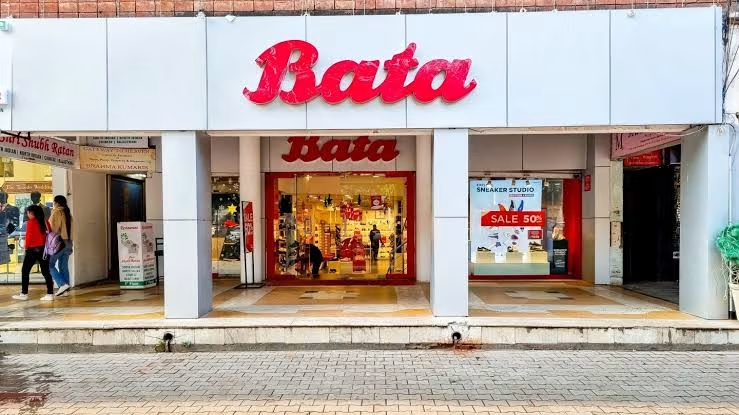
The Delhi High Court has granted interim protection to footwear giant Bata India Ltd. in a trademark infringement case, directing Flipkart to remove listings of allegedly counterfeit products bearing the BATA trademark from its e-commerce platform. The ruling reinforces the judiciary’s increasingly stringent stance against the online sale of counterfeit goods and emphasizes the responsibility of e-commerce marketplaces to act promptly when notified of intellectual property violations.
The court’s order came after Bata alleged that several third-party sellers were offering fake footwear and related products using its well-known trademark without authorization, potentially misleading consumers and damaging the company’s brand reputation. The High Court directed Flipkart to take down the identified infringing listings and cooperate in preventing further misuse of the trademark.
Delhi High Court Grants Interim Relief to Bata
The High Court found that Bata had established a prima facie case of trademark infringement and passing off, warranting immediate interim protection.
Pending further proceedings, the court ordered:
- Removal of identified counterfeit BATA product listings from Flipkart.
- Restraint on the sellers from using the BATA trademark or deceptively similar branding.
- Preservation of relevant records to assist in identifying the alleged infringers.
- Continued compliance by Flipkart with the court’s directions regarding infringing listings.
Key Directions Issued by the Court
| Direction | Purpose |
|---|---|
| Remove counterfeit listings | Prevent further sale of alleged fake products |
| Restrain unauthorized sellers | Protect Bata’s trademark rights |
| Preserve seller information | Facilitate identification of infringers |
| Marketplace cooperation | Ensure timely enforcement of court orders |
Bata Alleges Counterfeit Sales Online
According to the suit, unauthorized sellers were using the BATA trademark on footwear products that allegedly imitated the company’s branding and packaging.
Bata argued that the sale of counterfeit products could:
- Mislead consumers into believing the products were genuine.
- Dilute the value of the BATA brand.
- Harm consumer trust.
- Cause financial and reputational damage to the company.
The court accepted that these allegations merited urgent interim relief while the case proceeds.
Growing Judicial Focus on E-commerce Counterfeiting
The order is part of a broader trend in which Indian courts have directed online marketplaces to act swiftly against counterfeit and infringing products, echoing how global brands have pursued trademark protection against imitators.
Recent Delhi High Court rulings have increasingly required platforms such as Flipkart, Amazon and Meesho to remove infringing listings once notified by trademark owners and, in some cases, to preserve seller information for further legal action.
Why Counterfeit Listings Matter
| Stakeholder | Impact |
|---|---|
| Consumers | Risk of purchasing fake or substandard products |
| Brand owners | Loss of revenue and brand dilution |
| E-commerce platforms | Greater compliance and monitoring obligations |
| Genuine sellers | Fairer marketplace competition |
Implications for E-commerce Platforms
Although marketplaces typically operate as intermediaries rather than direct sellers, courts have increasingly expected them to respond promptly to credible complaints of intellectual property infringement.
The latest order reinforces the need for platforms to:
- Remove infringing listings without undue delay.
- Strengthen seller verification processes.
- Improve monitoring of repeat offenders.
- Cooperate with rights holders and judicial authorities in combating counterfeit goods.
What It Means for Brand Owners
The Delhi High Court’s decision highlights the growing effectiveness of legal remedies available to companies seeking to protect well-known trademarks in the digital marketplace, an area where Indian courts have been shaping trademark rules online.
For established brands like Bata, prompt judicial intervention can help:
- Prevent the spread of counterfeit products.
- Protect consumer confidence.
- Preserve brand goodwill.
- Discourage repeat infringement by unauthorized sellers.
The ruling also signals that courts are willing to require online marketplaces to play an active role in enforcing intellectual property rights.
Looking Ahead
The Delhi High Court’s interim order in favor of Bata underscores India’s increasingly robust approach to protecting trademarks in the rapidly expanding e-commerce sector. By directing Flipkart to remove allegedly counterfeit BATA listings and restraining unauthorized sellers, the court has reaffirmed that online marketplaces have an important role in preventing the sale of infringing goods.
As online retail continues to grow, similar cases are expected to further define the responsibilities of digital platforms, strengthen brand protection mechanisms, and enhance consumer confidence in India’s e-commerce ecosystem.
Frequently Asked Questions
What did the Delhi High Court order in the Bata trademark infringement case?
The court granted Bata India interim protection, directing Flipkart to remove listings of allegedly counterfeit BATA-branded footwear and restraining unauthorized sellers from using the trademark or deceptively similar branding while the case proceeds.
Why are e-commerce platforms like Flipkart held responsible for counterfeit listings?
Although marketplaces act as intermediaries rather than direct sellers, Indian courts increasingly expect them to remove infringing listings promptly once notified, strengthen seller verification, and preserve seller records to help identify infringers.
What is the difference between trademark infringement and passing off?
Trademark infringement is the unauthorized use of a registered mark, while passing off involves misrepresenting goods as those of another brand. The court found Bata had established a prima facie case of both, warranting interim relief.
Get the day’s top stories in your inbox
One concise email. No spam, unsubscribe anytime.