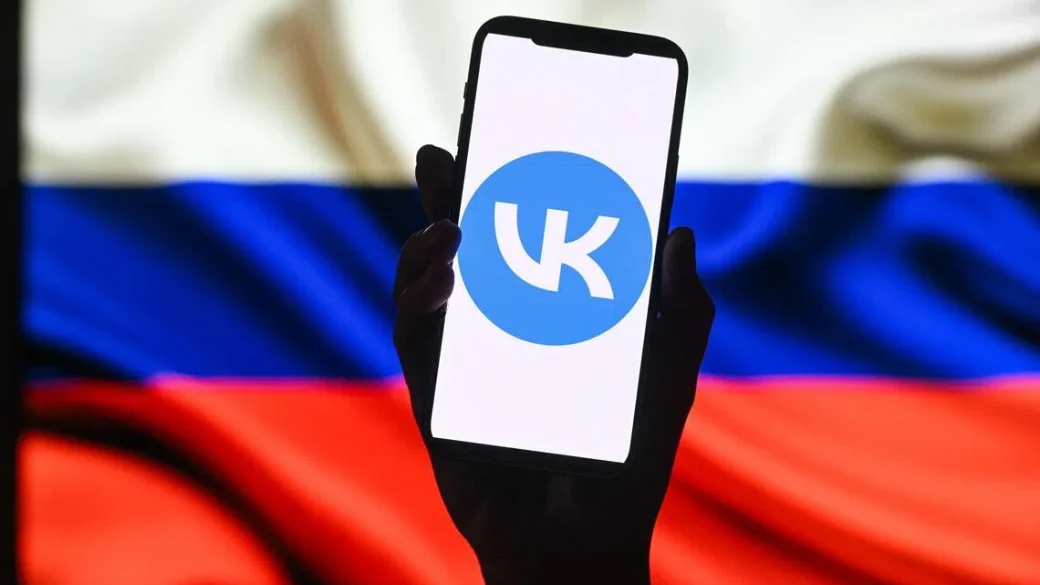
In a massive blow to Russia’s domestic digital ecosystem, Apple has executed a sweeping, unannounced removal of VKontakte (VK) and virtually all apps belonging to its parent holding company from the global App Store.
The delisting—confirmed on Thursday, June 25, 2026—effectively cuts off millions of iOS users from Russia’s largest homegrown social network and everyday digital infrastructure. The aggressive move has triggered immediate outrage from VK executives and a sharp, retaliatory warning from the Kremlin.
1. The Scope of the Digital Purge
The removal goes far beyond the flagship VKontakte social media application (often dubbed Russia’s answer to Facebook). Apple wiped out a total of 16 applications operated by the state-linked VK holding company:
- The Ecosystem Eviction: Major everyday platforms vanished instantly, including VK Video, VK Music, VK Messenger, Mail.ru (Russia’s dominant email client), the Dzen content platform, VK Dating, and the Odnoklassniki social network.
- The Preinstalled Messaging Target: The purge also follows Apple’s unannounced removal of Max, a state-backed messaging platform developed by VK that the Russian government recently mandated to be preinstalled on all digital devices to build technological sovereignty.
- Device Status: For users who already have the apps downloaded on their iPhones, the software will continue to open and function for now. However, push notifications have completely broken, and users are entirely blocked from receiving future security updates or re-downloading the apps if deleted.
                  [ Apple's June 2026 App Store Eviction ]
                                     │
           ┌─────────────────────────┴─────────────────────────┐
           ▼                                                   ▼
  [ Core Social & Video ]                            [ Communications & Utilities ]
   ├─ VKontakte (Flagship)                            ├─ Mail.ru (Primary Email)
   ├─ Odnoklassniki                                   ├─ Max (State-Backed Messenger)
   └─ VK Video & VK Music                             └─ Dzen Content Network
2. The Sanctions Dispute: Apple vs. VK
The tech giant and the Russian internet conglomerate have locked horns over the exact legal justification behind the mass delisting:
- Apple’s Directive: Apple confirmed to international press agencies that it removed the software package strictly to comply with international sanctions, stating that it operates in lockstep with the laws and regulations of the jurisdictions in which it does business.
- VK’s Legal Pushback: VK’s press service issued a fierce public statement accusing Apple of an “unmotivated and unacceptable” unilateral block. The company claims that the VK enterprise itself has never been placed on any Western or U.S. sanctions lists—a status they claim was backed by multiple independent legal assessments previously provided directly to Apple’s compliance teams.
The Leadership Loophole: While the company itself isn’t directly listed, analysts point out that VK’s CEO, Vladimir Kiriyenko, is heavily sanctioned by the U.S., EU, and UK. He is the son of Sergei Kiriyenko, a powerful first deputy chief of staff in Vladimir Putin’s presidential administration.
3. The Kremlin Reacts: “Switch to Android”
Because VKontakte serves as a primary state-approved channel for information and digital government integration, the App Store freeze drew an immediate, high-level diplomatic response from Moscow:
- A “Bizarre” Friendly Fire: Kremlin spokesman Dmitry Peskov labeled Apple’s actions “strange, to say the least,” highlighting that the decision directly compromises the daily communication habits of tens of millions of global Russian-speaking users.
- The Ultimate Ultimatum: Peskov stated that Russia’s digital ministry will demand a formal, reasoned explanation from Apple. “If this clarification is not provided,” Peskov warned, “we must draw further conclusions about continuing any interaction with this company.”
- The Immediate Workaround: For active users panicking over lost push notifications and updates, Peskov offered a blunt piece of advice: “Switch to Android.”
All affected VK applications remain entirely unrestricted and fully operational on Google’s Play Store platform, exposing a widening split in how Western tech ecosystems handle compliance within the region.