Driven by the brutal “chipflation” crushing consumer electronics, a major geopolitical battle has erupted in Washington. Apple is actively lobbying the Trump administration for clearance to purchase memory chips from ChangXin Memory Technologies (CXMT), a Chinese state-backed firm on the Pentagon’s military blacklist.
Reports from the Financial Times reveal that Apple has spent over a month quietly targeting the U.S. Commerce Department and White House officials. The goal? To secure a green light to buy Chinese components to bypass the extreme pricing power of the current Western memory oligopoly.
1. The Financial Desperation Behind the Lobbying
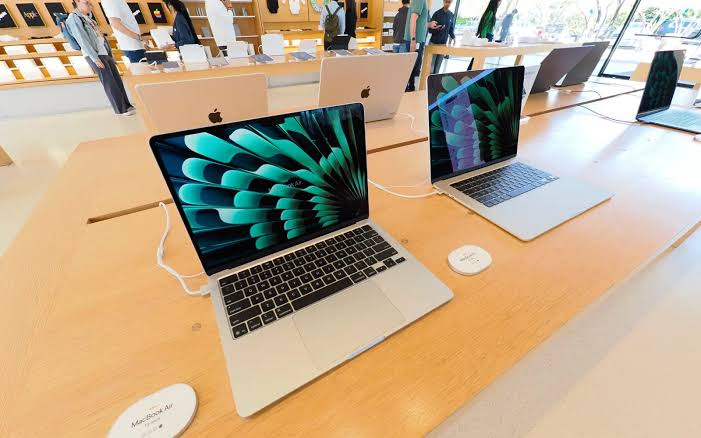
The timing of Apple’s lobbying push is no coincidence. Just days prior, Apple wiped out $250 billion in market value after passing steep, mid-cycle price hikes down to iPad and Mac users.
Because the AI server gold rush is eating up global memory factory lines, traditional consumer RAM and flash storage prices have tripled over the last year.
- The iPhone 18 Risk: The pricing crunch is threatening Apple’s next flagship device. In 2025, memory and storage accounted for just 9% of the iPhone 17 Pro’s Bill of Materials (BOM). For the upcoming iPhone 18 Pro, those exact same components are projected to eat up a massive 27% of the total manufacturing cost.
- The Chinese Cost Leverage: CXMT (and its flash-storage counterpart, YMTC) are offering Apple memory components at a steep 10% to 15% discount compared to current rates from Samsung, SK Hynix, and Micron.
  [ AI Server Boom ] ──► Competing for HBM Memory ──► Traditional RAM Costs Squeezed
                                                                │
                                                                ▼
  [ Apple's Dilemma ] ◄── Lobby Trump Admin ◄── iPhone 18 Pro Memory Costs Threaten to Triple
2. Navigating the 1260H Blacklist
The core obstacle blocking Apple’s multi-billion-dollar order is the U.S. Pentagon’s 1260H List, which designates CXMT as a Chinese Military Company due to alleged ties to the People’s Liberation Army (PLA).
While being on the 1260H list carries deep reputational risk, it doesn’t strictly carry the immediate legal bans of the Commerce Department’s formal “Entity List.” However, Apple cannot risk placing CXMT components into millions of Western devices if the administration decides to escalate the company to a full trade embargo later in the year. Apple is effectively begging for a formal “safe harbor” guarantee.
3. Political Backlash: “Playing with Fire”
Apple’s backchannel maneuver has triggered intense fury among bipartisan lawmakers in Washington, who view the move as a major national security threat:
“Apple choosing to partner with a Chinese military company would be a grave mistake. Helping the CCP succeed in its plans to dominate critical supply chains will make our country’s tech industry more dependent on China.”
— John Moolenaar, Republican Chair of the House China Committee
| Opposing Faction | Core Argument Against Apple’s Deal |
| U.S. Congressional Committees | Argue that permitting Apple to buy heavily subsidized Chinese components will starve Western competitors (like Idaho-based Micron) of critical market share. |
| National Security Experts | Point out the severe irony of Apple lobbying to buy Chinese tech just weeks after signing a high-profile domestic hardware manufacturing pact with Intel. |
While Apple CEO Tim Cook recently stated to the Wall Street Journal that “everything needs to be on the table” to fix the current global memory crisis, the White House has remained silent. If the administration denies the waiver, Apple will remain financially locked into the expensive pricing whims of its Korean and American suppliers—virtually guaranteeing that the high cost of the AI boom will keep driving up the price of consumer hardware well into 2027.