Nandan Nilekani on AI: “It Will Amplify, Not Replace Us,” Says Infosys Chairman
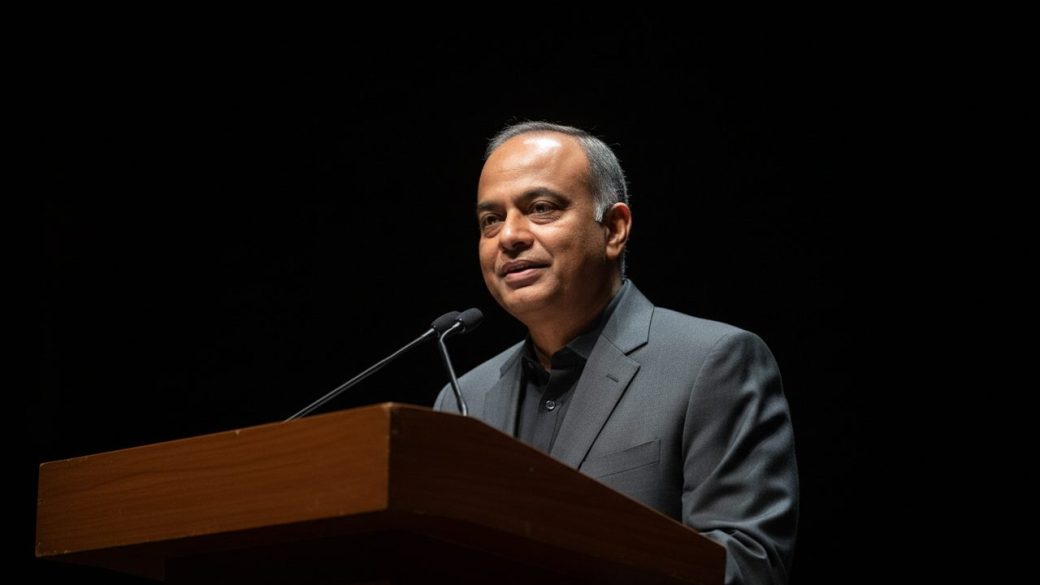
Nandan Nilekani has a clear message about AI: it will help people do more, not push them out. He is the chairman of Infosys, India’s second-largest IT services company. He spoke at the company’s 45th Annual General Meeting on June 23, 2026. An Annual General Meeting, or AGM, is the yearly meeting where a company updates its shareholders. Nilekani told them AI will “amplify” the companies and people who move fast and adapt. In plain words, “amplify” means to make stronger or bigger. This story breaks down what he said and why it matters for India and for founders.
His exact line was simple and direct. AI, he said, “will amplify those who move with purpose and adapt with speed.” So the winners will not be the ones who fear AI. They will be the ones who learn to use it well. That framing matters because Infosys is huge. At the end of the last fiscal year, it had more than 325,000 employees. When its chairman talks about AI and jobs, many people listen.
Why he says AI will not replace firms like Infosys
Some people worry that AI will make IT services companies useless. The fear is that if AI can write code and answer questions, who needs a big tech firm? Nilekani pushed back on that idea. His main point was about a word: context.
He explained that putting AI into a real company is hard. It is not just about software. Big companies have old systems, strict rules, security needs, and what experts call “technical debt.” Technical debt means messy old code and shortcuts that pile up over years and slow everything down. Cleaning that up and making AI work inside it takes skill. As Nilekani put it, “Enterprise context is paramount. Solutions must complement existing investments.” In short, AI tools must fit into what a company already owns, not start from zero.
The gap between demos and real work
One of his sharpest points was about the difference between a flashy AI demo and a working AI system inside a company. A demo can look amazing on stage. But making it run safely across a real business is a different job. This is an integration problem. Integration means joining new tools with old systems so they work together smoothly.
This is where Infosys sees its strength. The company is already working with 90% of its top 200 clients on AI projects. So it is not waiting on the sidelines. It is helping big companies actually use AI day to day. Nilekani also said the AI wave has made fixing old systems urgent. In his words, “The AI revolution has made legacy modernisation urgent in a way nothing else has.” “Legacy modernisation” simply means upgrading old technology so it can keep up.
What happens to jobs and workers
The biggest question is always jobs. Nilekani did not say AI would cut the workforce. He used a different word: redeployment. Redeployment means moving people to new work, not removing them. When AI makes a task faster, the people freed up are pointed at new growth areas instead.
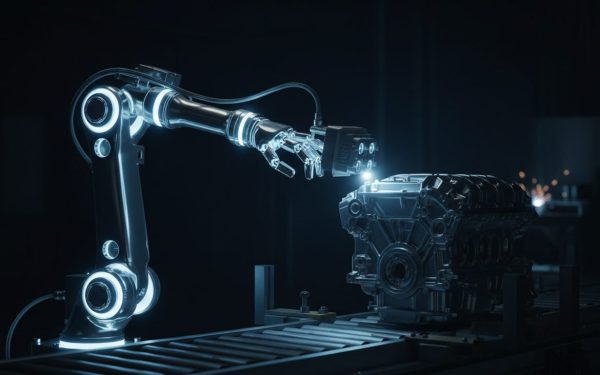
The hiring numbers back this up. Infosys recruited more than 20,000 college graduates in the last fiscal year. So even with AI growing fast, the company kept bringing in fresh talent. This view lines up with how some Indian factories are using AI too. At car-parts maker Tata AutoComp, AI is rewiring the assembly line while workers move into new roles like robot operators.
Key facts
| Item | Figure |
|---|---|
| Event | Infosys 45th AGM, June 23, 2026 |
| Speaker | Nandan Nilekani, Chairman, Infosys |
| Top 200 clients working on AI with Infosys | 90% |
| AI-first services market by 2030 | $300–$400 billion |
| College graduates hired last fiscal year | 20,000+ |
| Year-end headcount | 325,000+ employees |
A big market is opening up
Nilekani also pointed to the size of the prize. He said the market for “AI-first” services could be worth $300 billion to $400 billion by 2030. “AI-first” means building services with AI at the core from the start. That is a large pool of work. Infosys wants a big share of it. Its plan is to be the firm that helps other companies turn AI ideas into real, working systems.
FAQ
What did Nandan Nilekani say about AI?
He said AI “will amplify those who move with purpose and adapt with speed.” He believes AI will make capable companies and workers stronger, rather than replace them, as long as they adapt quickly.
Does Infosys think AI will cut jobs?
No. Nilekani described the change as redeployment, not job cuts. Workers freed by AI move to new growth areas. Infosys still hired more than 20,000 graduates in the last fiscal year.
Why does Infosys think AI cannot replace it?
Because putting AI into a real company is hard. Big firms have old systems, strict rules, and security needs. Infosys says it has the skill to fit AI into all that, which a simple demo cannot do.
Why it matters (especially for India and founders)
India’s IT industry employs millions of people. A calm, clear message from a leader like Nilekani helps steady nerves about AI and jobs. For founders, the lesson is practical. The money is not just in building a clever AI demo. It is in helping real businesses use AI inside their messy, old systems. That is hard work, and hard work is where lasting value sits. AI is also moving into serious, real-world tasks fast. For example, a lawyer recently used AI to help win a court case. The trend is the same across fields: AI is becoming a daily tool, not just a headline.
The takeaway
Nandan Nilekani’s view is hopeful but grounded. AI will reward people and firms that adapt fast. It will not magically replace the hard work of running a real business. Infosys is betting on a huge AI-first services market, deep client ties, and steady hiring. For Indian workers and founders, the message is to learn AI, use it well, and move with speed.