Tata AutoComp AI on the Assembly Line: How Factory Robots Now Check Every Part
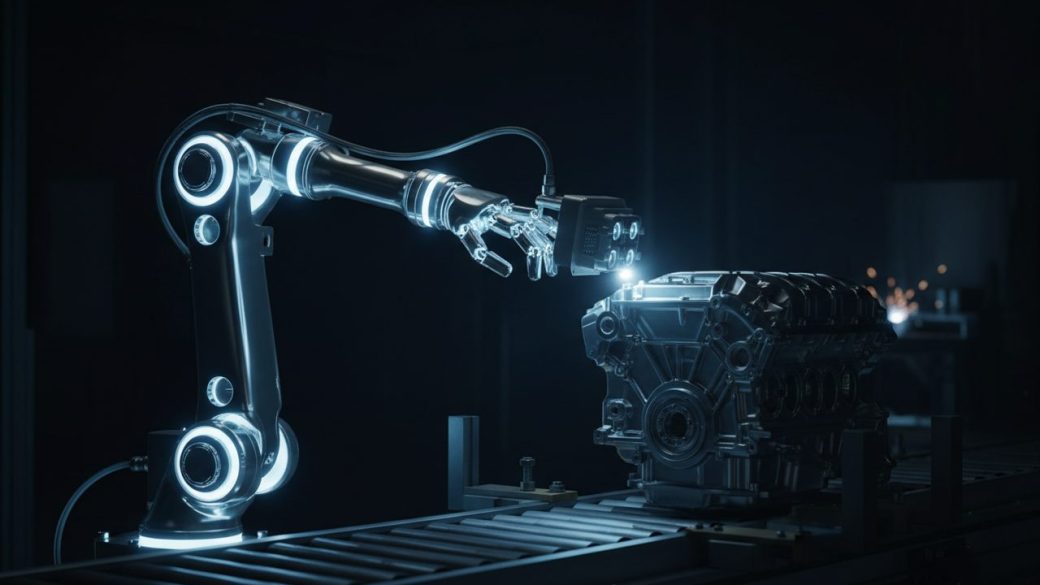
Tata AutoComp AI is changing how cars get built in India. The car-parts maker is no longer just adding a few smart machines. It is rewiring the whole assembly line. An assembly line is the moving belt in a factory where parts are put together step by step. Now cameras, sensors, and computer programs watch that line all the time. They spot bad parts, predict machine breakdowns, and train workers faster. This story explains what Tata AutoComp is doing and why it matters for Indian factories and founders.
Tata AutoComp Systems is a big company. It started in 1995 and is based in Pune. It runs 61 factories around the world and employs more than 20,000 people. In the financial year ending 2025, it earned about ₹13,100 crore. That size is exactly why its AI move is worth watching. When a company this large changes how it builds things, the rest of the industry tends to follow.
What “rewiring the assembly line” really means
For years, factories checked quality by hand. A worker would pick a few parts and look at them. This is called sampling. It usually covered under 5% of all parts made. So 95 out of 100 parts were never checked one by one. That left room for mistakes to slip through.
Now Tata AutoComp uses computer vision. Computer vision means teaching a computer to “see” through cameras. As the company put it, “AI-driven computer vision now scans 100% of parts in real time on a moving line.” So every single part is checked while the belt keeps moving. Nothing has to stop. This is the big shift: from spot-checking a few parts to watching all of them.
Predicting breakdowns before they happen
The second change is about fixing machines. In the old way, factories serviced machines on a fixed calendar. They would repair a machine every few months, whether it needed it or not. Sometimes a machine broke down anyway, and the whole line stopped.
Tata AutoComp now uses sensors on its machines. A sensor is a small device that measures things like heat, sound, or shaking. The AI reads this data and warns the team days before a machine is likely to fail. This is called predictive maintenance. It means you fix the machine during a planned break, not in the middle of a busy shift. Tata AutoComp described it as “AI-driven prediction of failure days in advance, enabling maintenance during planned windows.”
How big is the payoff? The article cited a benchmark from consulting firm Deloitte. It found predictive maintenance can cut maintenance costs by 25% to 30%. It can also reduce surprise breakdowns by about 70%. Fewer breakdowns means the line keeps running and the factory makes more parts.
Training workers with virtual reality
AI is not only about machines. It is also about people. Tata AutoComp now trains workers using virtual reality, or VR. VR puts on a headset and shows a fake-but-realistic version of the factory. Workers can practice safely before they touch the real line. This cut training time by about 30%.
New jobs are appearing too. The company now has roles like business technology leads, digital technology leads, and robot operators. So the work is changing, not disappearing. People learn to run and guide the machines instead of doing every task by hand. This idea of technology lifting workers rather than removing them echoes what many Indian tech leaders are saying. For example, Infosys chairman Nandan Nilekani argues that AI will amplify, not replace, people.
Key facts
| Item | Figure |
|---|---|
| Tata AutoComp factories worldwide | 61 |
| Employees | 20,000+ |
| FY25 revenue | ₹13,100 crore |
| Parts checked by AI vision | 100% (was under 5% by hand) |
| Maintenance cost cut (Deloitte benchmark) | 25%–30% |
| Fewer surprise breakdowns | ~70% |
| Training time cut with VR | ~30% |
| Indian manufacturers using AI/analytics | 54% |
| India smart factory market (2025) | $7.7 billion |
| Projected by 2032 | $17 billion (about 12% yearly growth) |
The bigger picture for Indian factories
Tata AutoComp is not alone. The article noted that 54% of Indian manufacturers now use AI or data analytics in some form. The market for smart factories in India was worth about $7.7 billion in 2025. It could reach $17 billion by 2032. That is growth of roughly 12% every year. So the whole industry is moving in this direction.
But it is not easy. The report listed three big hurdles. First, old machines often need new sensors added, which takes time and money. Second, many workers need to build new digital skills. Third, all of this needs upfront cash. So smaller factories may move slower than a giant like Tata AutoComp.
FAQ
What is computer vision in a factory?
Computer vision means a computer uses cameras to “see” and judge things. In a factory, cameras look at every part on the moving line. The AI flags any part that looks wrong, so bad parts get caught early.
What is predictive maintenance?
It is fixing a machine before it breaks. Sensors track how a machine is running. The AI spots warning signs and tells the team to repair it during a planned break. This stops sudden breakdowns that halt the line.
Does AI take away factory jobs?
At Tata AutoComp, the jobs are changing, not vanishing. Workers train faster with VR and move into new roles like robot operators and digital leads. They guide the machines instead of doing every step by hand.
Why it matters (especially for India and founders)
India wants to be a global factory hub. Tata AutoComp shows what modern, AI-run manufacturing can look like here. For founders, the lesson is clear. You do not need to replace all your machines at once. You can add cameras and sensors to what you already own and let AI do the watching. Start with one problem, like checking quality, and grow from there. Indian courts are also starting to take AI tools seriously in everyday work, as seen when a lawyer used AI to help win a court case. The signal across sectors is the same: AI is moving from demos into real, daily use.
The takeaway
Tata AutoComp AI is not a small upgrade. It is a rethink of the entire assembly line. Cameras now check every part. Sensors predict breakdowns before they strike. VR trains workers in a fraction of the old time. The early payoffs are real: lower costs, fewer stoppages, and faster learning. For Indian manufacturers and founders, this is a clear sign of where smart factories are headed.