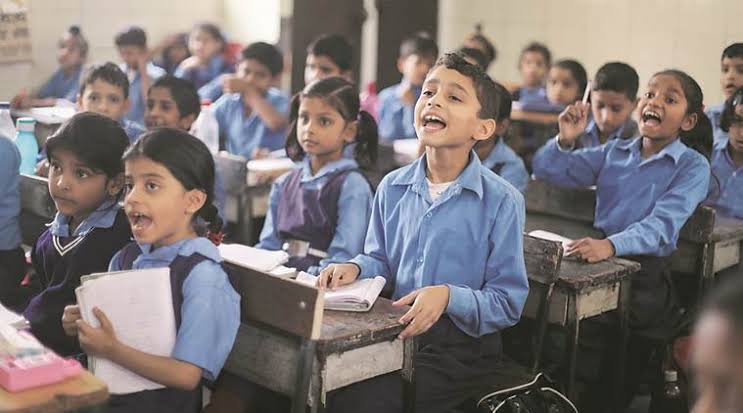
A new NITI Aayog report has revealed a sharp decline in India’s government school network over the past decade, with nearly 94,000 government schools closing as student enrolment fell by 2.26 crore. The findings highlight the growing challenges facing public education, particularly in rural India, where demographic changes, migration, and shifting parental preferences have contributed to a steady decline in student numbers.
The report estimates that, on average, around 25 government schools ceased operations each day during the period. While many closures resulted from school mergers and rationalisation initiatives aimed at improving efficiency, the scale of the decline has raised concerns about access to education, especially in remote and underserved regions.
Key Findings of the Report
According to NITI Aayog, India’s government school system has undergone significant structural changes over the past decade.
| Key Indicator | Data |
|---|---|
| Government schools closed | 94,000 |
| Decline in student enrolment | 2.26 crore |
| Average school closures | Around 25 per day |
| Period covered | Past decade |
The report attributes much of the decline to falling enrolment, changing demographics, and administrative restructuring of the school network.
Why Is Enrolment Falling?
Several factors have contributed to the reduction in student enrolment across government schools.
One major reason is the growing preference among families for private schools, particularly in urban and semi-urban areas, where parents increasingly associate private education with better learning outcomes and English-medium instruction.
Other contributing factors include:
- Declining birth rates in several states.
- Migration from rural to urban areas.
- Consolidation of smaller schools.
- Improved transportation enabling students to attend larger institutions.
- Demographic changes in many districts.
These trends have reduced the number of students attending many small government schools, making them difficult to operate efficiently.
School Mergers and Rationalisation
Not all school closures represent permanent shutdowns.
Many states have merged nearby schools under rationalisation policies aimed at improving infrastructure, teacher availability, and resource utilization.
| Reason for Closure | Objective |
|---|---|
| School mergers | Better resource utilization |
| Low enrolment | Consolidate students into larger schools |
| Administrative restructuring | Improve operational efficiency |
| Infrastructure optimisation | Enhance teaching facilities |
Governments argue that consolidating schools can improve educational quality by concentrating teachers and learning resources. However, critics say such mergers may increase travel distances for students in remote villages.
Impact on Rural Education
The report raises particular concerns about rural India, where schools often serve as essential community institutions.
Longer travel distances following school mergers may discourage attendance, especially among younger children and girls, potentially affecting retention rates in some regions.
Education experts have also highlighted the need to ensure that school consolidation does not reduce access to quality education for children living in geographically isolated areas.
Growing Competition From Private Schools
Private schools have steadily expanded their share of student enrolment over the past decade.
Several factors have driven this trend:
- English-medium instruction.
- Perceived improvement in teaching quality.
- Greater emphasis on extracurricular activities.
- Higher parental aspirations.
- Improved affordability in some regions.
As a result, government schools in many states have witnessed declining admissions despite continued public investment.
Challenges Beyond Enrolment
The report also points to broader issues affecting public education.
| Challenge | Impact |
|---|---|
| Declining enrolment | Reduced viability of small schools |
| Teacher shortages | Lower instructional capacity |
| Infrastructure gaps | Learning environment concerns |
| Rural migration | Falling student populations |
| Learning outcomes | Continued focus on quality improvements |
Addressing these challenges will require both infrastructure investments and reforms aimed at improving learning outcomes.
Policy Implications
The findings suggest that policymakers will need to balance operational efficiency with educational accessibility.
Experts recommend focusing on:
- Improving learning quality.
- Strengthening teacher training.
- Enhancing digital education.
- Upgrading school infrastructure.
- Ensuring transportation for students affected by school mergers.
Maintaining equitable access to education, particularly in rural and tribal areas, is expected to remain a key policy priority.
What It Means for India’s Education System
The closure of nearly 94,000 government schools over the past decade reflects significant changes in India’s education landscape. While many closures resulted from school consolidation rather than complete withdrawal of educational services, the decline in enrolment highlights shifting demographic patterns and changing parental preferences.
The NITI Aayog report underscores the importance of ensuring that efforts to improve efficiency do not compromise access to education. As India continues to modernize its education system under the National Education Policy (NEP), policymakers will need to balance school rationalisation with investments in quality teaching, infrastructure, and inclusive access—particularly for children in rural and underserved communities.
Get the day’s top stories in your inbox
One concise email. No spam, unsubscribe anytime.