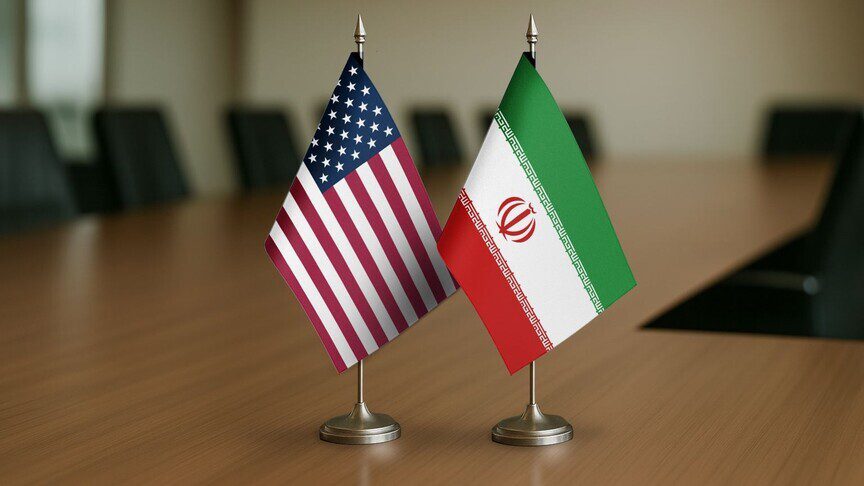
Iran sanctions are penalties the US uses to pressure Iran by blocking money, trade, and access to companies. The US announced new Iran sanctions as fighting in the region stayed tense. That means more people, firms, and networks could face limits. It also signals Washington wants to squeeze Tehran harder now.
Key takeaways
- The US announced new Iran sanctions linked to Iran as regional conflict intensified.
- Sanctions target money and trade, which means they try to cut off business links and payments.
- The move raises pressure on Tehran, but it may also add stress to shipping and energy markets.
- Families and firms watch the fallout because higher risk can push up costs and slow deals.
What did the US do in this Iran sanctions move?
The United States rolled out fresh Iran sanctions on Thursday, according to Reuters. These steps came as the conflict around Iran kept heating up. Sanctions are legal penalties. They can freeze assets, block deals, and stop companies from using the US financial system.
The Reuters report said the new action was tied to Iran while the wider conflict intensified. The US Treasury often leads these moves. Treasury is the department that handles federal money policy. It usually publishes names of people, firms, ships, or networks added to sanctions lists.
When that happens, the effect can spread fast. A shipping firm may lose partners. A bank may stop payments. An insurer may walk away, because doing business with a sanctioned party can bring trouble too.
Why are Iran sanctions being tightened now?
The short answer is pressure. Washington wants to make it harder for Iran and linked networks to move goods, money, or oil if US officials believe those flows support conflict. Oil is a fuel sold worldwide. It is also a major source of revenue for Iran.
Timing matters here. When fighting rises, governments often use both military and financial tools. Sanctions are the financial tool. They are meant to hurt capability without firing a shot, though they can still hit ordinary trade routes and business costs.
This is not the first round. The US has used Iran sanctions for years over nuclear work, regional security, and trade concerns. Nuclear work means activities linked to atomic energy and weapons risks. Each new round adds another layer, so companies have to check partners even more carefully.
Who could feel the impact first?
Shipping, banking, and energy firms often feel it first. If a vessel, trader, or middleman gets sanctioned, cargo can get stuck. Payments can also be delayed. That matters because global trade runs on timing, paperwork, and trust.
For example, one blocked tanker can delay a chain of deals across ports, insurers, and buyers. A tanker is a ship that carries oil or gas. If even 10 or 20 vessels face extra checks, costs can climb quickly.
Energy markets are especially sensitive. Oil prices can jump on fear alone. If traders think supply may tighten by 1% or 2%, prices can move before any real shortage appears.
How sanctions risk can spreadPaymentsShippingRiskCostsMediumHighVery highHigh
What do these Iran sanctions mean for regular people?
Most people will not deal with sanctions lists directly. But they can still feel the effects. If shipping gets slower or oil gets pricier, transport and fuel bills can rise too.
Think of it like a traffic jam at sea and in banks. One blocked route can ripple outward. That can mean pricier fuel, costlier flights, or more caution in stock markets.
Investors usually react fast to conflict news. Indian readers have already seen how markets swing on global headlines, as shown when the Nifty reclaims 24,200 as midcap stocks hit record. Gold can also draw attention in tense times, and our earlier piece on the gold loan market in India explains why gold matters so much in financial stress.
How do officials enforce Iran sanctions?
Enforcement usually starts with naming targets. The US then tells banks and businesses not to deal with them. If a company ignores the rule, it can face fines or lose access to US markets.
That threat is powerful because the dollar sits at the center of world trade. The dollar is the main currency used in many global payments. So even non-US firms often comply, since they do not want to lose access to banks, insurance, or customers.
Officials also track ships, shell companies, and trade routes. Shell companies are businesses set up mainly to hide who is really behind them. In some cases, authorities say these networks change names, flags, or owners to keep moving goods.
| Area | What sanctions can do | Why it matters |
|---|---|---|
| Banking | Block payments and freeze assets | Deals become harder to complete |
| Shipping | Restrict vessels, cargo, or insurers | Trade can slow and costs can rise |
| Energy | Limit oil sales and linked networks | Government revenue may fall |
| Business | Scare off partners and buyers | Firms avoid legal and money risk |
Could this affect India and other big importers?
Yes, mainly through oil and shipping costs. India buys a lot of energy from abroad, so any supply scare matters. Even when barrels keep flowing, fear can still lift prices.
Countries also watch foreign exchange reserves in risky periods, because reserves act like a safety cushion. Reserves are a country’s store of foreign money and assets. Our report on India’s forex reserves rise by $7.26 billion to $674.19 billion shows why that cushion matters.
Businesses that import chemicals, fuel, or parts may pay closer attention too. Banks may ask more questions. Insurers may charge more, since conflict risk and sanctions risk often travel together.
What should readers watch next in this Iran sanctions story?
Watch the names and sectors in the official notices. If the list includes ships, oil traders, or finance channels, the market impact can be larger. Also watch crude oil prices, shipping insurance rates, and any response from Iran or its partners.
A clear way to think about it is this: Iran sanctions are not just about one government. They are about the web of companies, ships, banks, and buyers around it. If that web gets squeezed, the effects can spread far beyond one border.
For primary details, readers should check the US Treasury and sanctions updates from the Office of Foreign Assets Control. Reuters first reported the latest move, and more names and specifics may appear in official filings.
The core point is simple: new Iran sanctions aim to cut off money and trade linked to Tehran at a moment of rising conflict, and that can affect oil, shipping, banking, and prices far beyond the region.
FAQs
What are Iran sanctions?
Iran sanctions are penalties that block trade, money flows, or access to banks and companies linked to Iran.
Why did the US announce new Iran sanctions now?
The US acted as regional conflict intensified, so it could raise pressure without using only military steps.
How can Iran sanctions affect fuel prices?
If traders fear less oil supply or slower shipping, prices can rise quickly, even before any real shortage starts.
Who enforces Iran sanctions?
The US government enforces them, mainly through the Treasury Department and its OFAC sanctions office.
Get the day’s top stories in your inbox
One concise email. No spam, unsubscribe anytime.