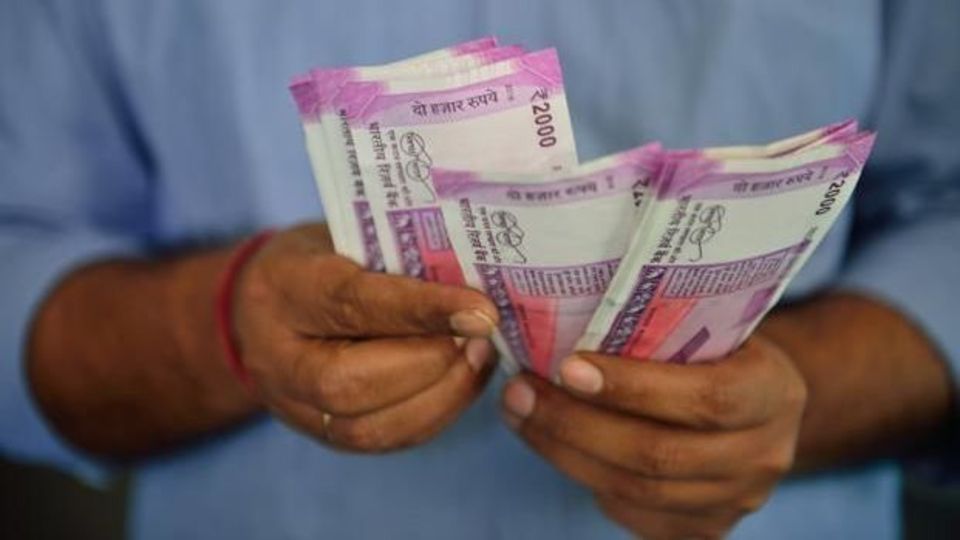
India’s foreign exchange (forex) reserves increased by $7.26 billion to reach $674.19 billion for the week ended July 4, 2026, according to the latest data released by the Reserve Bank of India (RBI). The sharp increase comes after a decline in the previous reporting week and reflects gains in foreign currency assets, gold reserves, and other reserve components.
The rise in reserves strengthens India’s external financial position at a time of global economic uncertainty, providing the country with a larger buffer against external shocks, currency volatility, and fluctuations in capital flows. India’s forex reserves remain among the largest in the world, reinforcing investor confidence and enhancing the RBI’s ability to manage exchange rate stability.
Forex Reserves Register Strong Weekly Growth
According to RBI data, India’s total foreign exchange reserves stood at $674.19 billion, up $7.26 billion from the previous week’s level of $666.93 billion.
The increase was primarily driven by:
- Growth in foreign currency assets.
- Higher gold reserves.
- Improvement in Special Drawing Rights (SDRs).
- Increase in India’s reserve position with the International Monetary Fund (IMF).
The recovery follows a week in which reserves had declined due to valuation changes and market interventions.
Foreign Currency Assets Lead the Increase
Foreign Currency Assets (FCAs), the largest component of India’s forex reserves, recorded a healthy increase during the week.
FCAs include holdings in major global currencies such as:
- US Dollar.
- Euro.
- British Pound.
- Japanese Yen.
Movements in these assets are influenced by changes in currency valuations, overseas investments, and RBI’s foreign exchange market operations.
Since FCAs account for the majority of India’s reserves, even modest gains in this component can significantly impact the overall reserve position.
Gold Reserves Continue to Strengthen
India’s gold reserves also witnessed an increase during the reporting week.
Gold has become an increasingly important component of central bank reserve management because it:
- Acts as a hedge against inflation.
- Provides protection during periods of financial uncertainty.
- Diversifies reserve assets beyond foreign currencies.
- Enhances long-term financial stability.
Over the past few years, the RBI has steadily increased its gold holdings as part of its reserve diversification strategy.
Why Strong Forex Reserves Matter
Large foreign exchange reserves provide several economic advantages.
They help India:
- Finance imports during periods of external stress.
- Support stability of the Indian rupee.
- Meet external debt obligations.
- Improve investor confidence.
- Manage volatility in global financial markets.
- Respond effectively to sudden capital outflows.
Healthy reserve levels also strengthen India’s macroeconomic resilience during periods of geopolitical uncertainty and global market turbulence.
RBI’s Role in Managing Reserves
The Reserve Bank of India actively manages the country’s foreign exchange reserves to maintain financial stability.
Its objectives include:
- Ensuring adequate liquidity in foreign currency markets.
- Maintaining confidence in India’s external sector.
- Managing exchange rate volatility.
- Diversifying reserve assets.
- Preserving the safety and liquidity of reserve investments.
The RBI may buy or sell foreign currencies in the market depending on prevailing economic conditions and currency movements.
Global Economic Context
The increase in India’s forex reserves comes amid continued uncertainty in global financial markets.
Key factors influencing reserve movements include:
- US Federal Reserve policy decisions.
- Global interest rate trends.
- Crude oil prices.
- Foreign portfolio investment flows.
- Exchange rate movements.
- Geopolitical developments.
Maintaining strong reserves provides India with greater flexibility to navigate these evolving global conditions.
What Investors Will Watch
Market participants will closely monitor:
- Future movements in forex reserves.
- RBI’s intervention in currency markets.
- Trends in the Indian rupee.
- Foreign investment inflows.
- Gold reserve accumulation.
- Global interest rate developments.
These indicators will provide insights into India’s external financial strength and the RBI’s reserve management strategy.
Outlook
India’s foreign exchange reserves rising by $7.26 billion to $674.19 billion reflects the country’s strong external position and prudent reserve management by the Reserve Bank of India. The increase enhances India’s ability to withstand global economic uncertainties, stabilize the rupee, and meet its international financial obligations.
With healthy reserve levels, steady economic growth, and continued efforts to diversify reserve assets, India remains well positioned to manage external risks while supporting long-term macroeconomic stability. Strong forex reserves will continue to serve as a critical pillar of confidence for investors, businesses, and policymakers in an increasingly volatile global environment.
Get the day’s top stories in your inbox
One concise email. No spam, unsubscribe anytime.