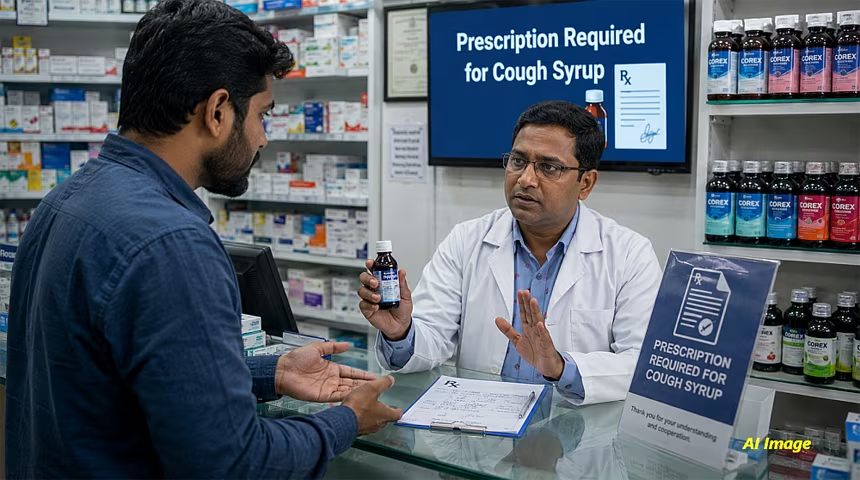
The Government of India has prohibited the over-the-counter (OTC) sale of oral medicines containing more than 12% ethyl alcohol when sold in bottles larger than 30 ml, bringing these products under the stricter Schedule H1 category of the Drugs Rules, 1945. The amendment, notified by the Ministry of Health and Family Welfare through the Drugs (Fifth Amendment) Rules, 2026, means consumers will now need a valid prescription from a registered medical practitioner to purchase such medicines.
The move is aimed at curbing the misuse of high-alcohol medicinal formulations, including certain cough syrups, tonics, and oral liquid preparations, while ensuring access for genuine medical needs.
The new rules strengthen oversight of medicines with a higher alcohol content by introducing stricter dispensing and record-keeping requirements for pharmacies. Health authorities believe the measure will reduce the risk of abuse, particularly among vulnerable groups, while improving accountability across the pharmaceutical supply chain.
What the New Rule Says
Under the amended regulations:
- Oral medicines containing more than 12% ethyl alcohol and sold in pack sizes above 30 ml are now classified under Schedule H1.
- These medicines can no longer be sold over the counter.
- A doctor’s prescription is mandatory for purchase.
- Pharmacies must comply with Schedule H1 dispensing requirements.
The amendment removes the earlier exemption that allowed certain alcohol-containing medicinal formulations to be sold without a prescription.
What Is Schedule H1?
Schedule H1 is a category of medicines subject to tighter regulatory controls to prevent misuse.
For medicines listed under Schedule H1:
- Sale is allowed only against a valid prescription.
- Pharmacies must maintain a separate register of sales.
- Records of the purchaser, prescribing doctor, and quantity sold must be retained for at least three years.
- Retailers are prohibited from dispensing these medicines without following the prescribed documentation requirements.
These measures improve traceability and help regulators monitor the distribution of medicines with a higher potential for misuse.
Why the Government Introduced the Rule
The decision is intended to address concerns over the inappropriate use of alcohol-containing medicinal formulations.
According to health authorities, the amendment aims to:
- Reduce misuse of high-alcohol cough syrups and tonics.
- Prevent non-medical consumption of alcohol-based medicines.
- Strengthen patient safety.
- Improve regulatory oversight.
- Ensure that these medicines are used only under medical supervision.
Officials emphasized that the rule does not ban these medicines; it only changes how they are dispensed.
Which Medicines Are Affected?
The rule applies to oral formulations that meet both of the following conditions:
- Contain more than 12% ethyl alcohol by volume.
- Are sold in bottles larger than 30 ml.
Products that may fall within this category include certain:
- Cough syrups.
- Medicinal tonics.
- Oral liquid formulations.
Whether a specific product is covered depends on its alcohol content and packaging size.
Impact on Patients and Pharmacies
For patients:
- A doctor’s prescription will now be required for eligible medicines.
- Genuine medical access remains available through licensed pharmacies.
For pharmacies:
- Additional documentation and record-keeping obligations apply.
- Schedule H1 compliance requirements must be followed.
- Sales without a valid prescription are prohibited.
The government expects the new framework to reduce misuse while maintaining access for patients with legitimate medical needs.
Outlook
India’s decision to end the over-the-counter sale of oral medicines containing more than 12% ethyl alcohol in bottles larger than 30 ml represents a significant tightening of pharmaceutical regulation. By bringing these products under Schedule H1, the government is introducing stronger safeguards through mandatory prescriptions and stricter pharmacy record-keeping, while continuing to allow access for appropriate medical use.
The move reflects a broader effort to improve drug safety, curb misuse of alcohol-containing medicinal formulations, and strengthen oversight of prescription medicines across the country’s healthcare system.
Get the day’s top stories in your inbox
One concise email. No spam, unsubscribe anytime.