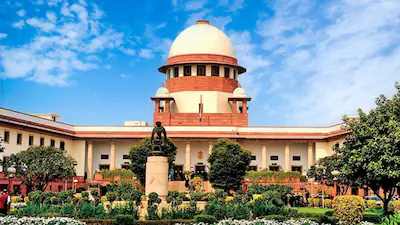
The Delhi High Court has disposed of a fresh application filed by Zostel in its long-running legal dispute with OYO, while scheduling the main appeal for August 12, 2026. The court declined to grant the interim relief sought in the latest application, observing that the issues raised would be considered during the hearing of the pending appeal. The order keeps the focus on the substantive appeal, which stems from the years-long disagreement over the proposed acquisition of Zostel by OYO and the alleged issuance of OYO shares to Zostel’s founders.
The dispute, one of India’s most closely watched startup legal battles, has been ongoing since 2015–16, when OYO and Zostel signed a non-binding term sheet for a proposed acquisition. The transaction was never completed, leading to arbitration proceedings and multiple rounds of litigation over whether OYO was obligated to complete the deal or issue equity to Zostel’s shareholders.
Delhi High Court Disposes of Zostel’s Fresh Application
In its latest order, the Delhi High Court:
- Disposed of Zostel’s fresh interim application.
- Declined to grant separate interim relief.
- Directed that the issues raised can be addressed during the pending appeal.
- Listed the appeal for hearing on August 12, 2026
The decision does not resolve the underlying dispute and should not be interpreted as a final ruling on the merits of either party’s claims.
Background of the OYO–Zostel Dispute
The legal battle dates back nearly a decade.
Key events include:
- In 2015, OYO and Zostel signed a non-binding term sheet for a proposed acquisition.
- Zostel claims it fulfilled its obligations under the agreement.
- OYO maintains that several conditions precedent were never satisfied, meaning the acquisition was never completed.
- The disagreement led to arbitration proceedings followed by multiple court challenges
The dispute has become one of India’s most prominent cases involving startup mergers, contractual obligations, and shareholder rights.
Why the Case Matters
The litigation has implications beyond the two companies.
Legal experts say the outcome could influence:
- Enforcement of startup acquisition agreements.
- Interpretation of non-binding term sheets.
- Share issuance obligations.
- Arbitration award enforcement.
- Investor confidence in startup M&A transactions.
- Corporate governance practices.
The case has been closely followed by entrepreneurs, venture capital firms, and legal professionals because it raises important questions about how startup acquisition agreements should be interpreted under Indian law.
OYO’s Position
Throughout the litigation, OYO has argued that:
- The transaction was subject to several conditions.
- Those conditions were never fully met.
- The acquisition was therefore never completed.
- It has no obligation to issue shares to Zostel or its shareholders under the proposed transaction.
OYO has consistently maintained that the original term sheet was non-binding, except for certain specified clauses.
Zostel’s Position
Zostel has maintained that:
- It complied with its contractual obligations.
- OYO failed to complete the agreed transaction.
- The company and its shareholders are entitled to appropriate relief arising from the arbitration proceedings.
The fresh application formed part of Zostel’s continuing effort to protect its claimed rights while the appeal remains pending.
What Happens Next?
The Delhi High Court will hear the substantive appeal on August 12, 2026.
Key issues expected to be considered include:
- The scope of the arbitration award.
- Whether interim relief is warranted.
- The legal effect of the original term sheet.
- Rights and obligations of the parties.
- Appropriate enforcement of previous orders.
The court’s eventual decision could shape future disputes involving startup acquisitions and venture-backed companies.
Outlook
The Delhi High Court’s decision to dispose of Zostel’s fresh application while listing the main appeal for August 12 keeps one of India’s longest-running startup legal disputes firmly on track for further judicial review. Although the latest order provides no substantive victory to either side, it signals the court’s preference to address the issues comprehensively during the pending appeal.
With significant legal and commercial implications for startup mergers and acquisitions, the upcoming hearing will be closely watched by founders, investors, and the broader startup ecosystem. The final outcome could establish important precedents regarding the enforceability of acquisition agreements, arbitration awards, and shareholder rights in India’s technology sector.
Get the day’s top stories in your inbox
One concise email. No spam, unsubscribe anytime.