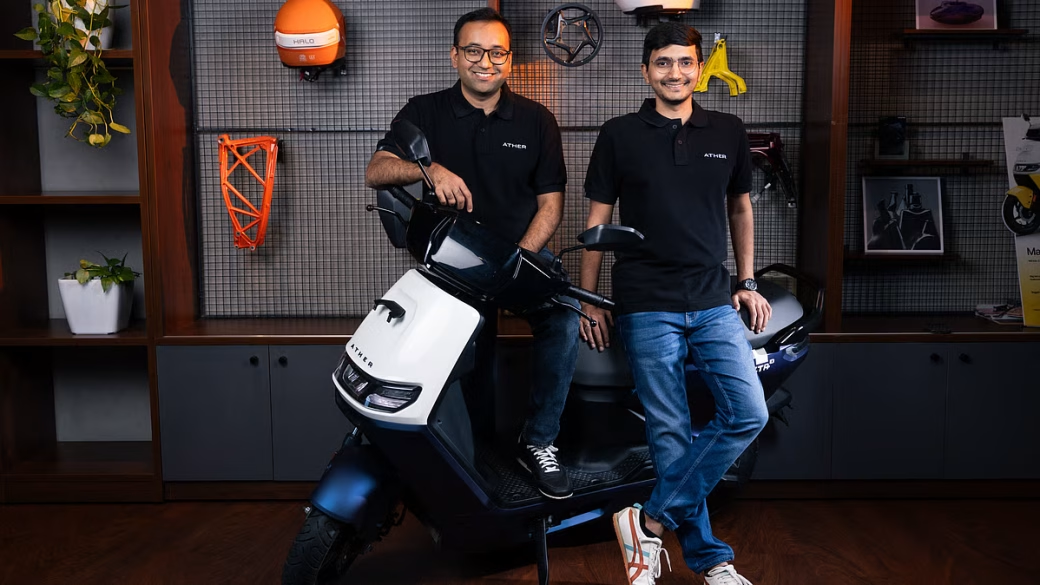
LICO Materials and Ather Energy have partnered to build a structured ecosystem for the collection, recycling, and recovery of end-of-life lithium-ion EV batteries in India. Under the agreement, batteries from Ather’s electric two-wheelers will be processed at LICO Materials’ recycling facility in Karnataka, where valuable minerals such as lithium, nickel, cobalt, graphite, and copper will be recovered and reintroduced into the battery supply chain. The partnership aims to strengthen India’s circular economy for electric vehicles while reducing dependence on imported critical minerals.
The collaboration comes as India’s electric vehicle market continues to expand rapidly, increasing the need for a formal battery recycling ecosystem. With millions of EV batteries expected to reach the end of their operational life over the coming years, the initiative aligns with the country’s Battery Waste Management Rules, 2022, which place extended producer responsibility (EPR) obligations on manufacturers to ensure environmentally responsible battery collection and recycling.
LICO Materials and Ather Energy Join Hands
The partnership is designed to establish an end-to-end battery circularity system.
Key highlights include:
- Collection of end-of-life lithium-ion batteries from Ather’s EV fleet.
- Recycling at LICO Materials’ facility in Karnataka.
- Recovery of critical battery minerals.
- Reintroduction of recovered materials into India’s battery manufacturing ecosystem.
- Support for a domestic circular battery supply chain.
The companies aim to ensure that valuable battery materials remain within India’s manufacturing ecosystem instead of being discarded or exported.
Building a Circular EV Battery Economy
Instead of treating used batteries as waste, the partnership focuses on recovering high-value raw materials that can be reused in future battery production.
Materials expected to be recovered include:
- Lithium.
- Nickel.
- Cobalt.
- Graphite.
- Copper.
These recovered materials can be supplied to battery cell manufacturers and automotive OEMs, reducing reliance on imported critical minerals and improving resource efficiency.
Why Battery Recycling Matters
As EV adoption accelerates, battery recycling is becoming a strategic priority.
Effective recycling can:
- Reduce dependence on imported battery minerals.
- Lower the environmental impact of mining.
- Recover valuable raw materials.
- Reduce battery waste sent to landfills.
- Improve supply-chain resilience.
- Support India’s clean mobility goals.
Industry experts expect battery recycling to become an increasingly important component of India’s EV ecosystem over the next decade as larger volumes of batteries reach the end of their useful lives.
LICO Materials’ Recycling Capabilities
Founded in 2021, LICO Materials specializes in battery recycling, material recovery, and battery repurposing.
According to the company, its operations include:
- Processing end-of-life lithium-ion batteries.
- Recovering critical battery materials.
- Repurposing usable battery cells for second-life energy storage applications.
- Expanding recycling capacity to support India’s growing EV market.
The company says it is working toward scaling its battery processing capacity while strengthening domestic supplies of recycled battery materials.
Supporting India’s Battery Waste Rules
The collaboration also supports compliance with India’s Battery Waste Management Rules, 2022, which require producers to take responsibility for collecting and recycling batteries after they reach the end of their lifecycle.
The partnership helps:
- Strengthen Extended Producer Responsibility (EPR) compliance.
- Improve traceability of battery waste.
- Encourage responsible recycling practices.
- Build formal collection infrastructure.
- Promote sustainable resource recovery.
As regulatory requirements become stricter, collaborations between EV manufacturers and recycling companies are expected to become more common.
What This Means for India’s EV Industry
The partnership reflects a broader shift toward sustainable battery management as India’s EV sector matures.
Potential long-term benefits include:
- Stronger domestic battery supply chains.
- Reduced exposure to global critical mineral shortages.
- Lower lifecycle emissions from EV batteries.
- Increased investment in battery recycling infrastructure.
- Greater adoption of circular economy practices.
Industry observers believe battery recycling will play a key role in making India’s electric mobility ecosystem more resilient and resource-efficient.
Outlook
The partnership between LICO Materials and Ather Energy marks an important step toward creating a circular battery economy in India. By establishing a structured system for collecting, recycling, and recovering materials from end-of-life lithium-ion batteries, the companies aim to reduce dependence on imported critical minerals while supporting sustainable EV growth.
As electric vehicle adoption accelerates and battery waste volumes increase, recycling will become an essential part of India’s clean mobility strategy. Initiatives like this are expected to improve resource security, strengthen compliance with environmental regulations, and help build a more sustainable domestic battery manufacturing ecosystem.
Get the day’s top stories in your inbox
One concise email. No spam, unsubscribe anytime.