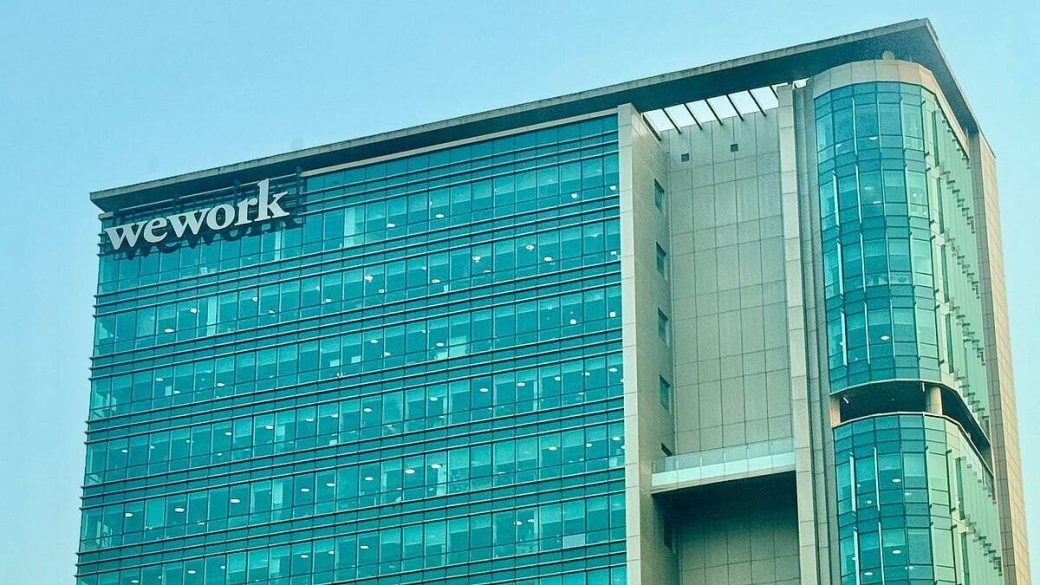
WeWork India reported a sharp improvement in its financial performance during the first quarter of FY27, with its net loss narrowing to ₹4.61 crore, reflecting continued demand for flexible workspaces and improved operational efficiency. The company also recorded growth in revenue and occupancy levels, supported by strong leasing activity from enterprises, startups, and Global Capability Centres (GCCs).
The improved results come as India’s flexible office space market continues to expand, driven by hybrid work models, corporate cost optimization, and rising demand for managed office solutions. WeWork India has continued to strengthen its footprint across major metropolitan cities while focusing on profitability and sustainable growth.
WeWork India Reports Lower Net Loss in Q1 FY27
The coworking operator significantly reduced its quarterly losses compared with the corresponding period last year.
| Key Highlights | Details |
|---|---|
| Company | WeWork India |
| Period | Q1 FY27 |
| Net loss | ₹4.61 crore |
| Performance | Loss narrowed year-on-year |
| Business focus | Flexible workspaces and managed offices |
| Growth drivers | Enterprise demand, hybrid work, higher occupancy |
The results indicate continued recovery in India’s premium flexible office market.
Revenue and Business Performance
The company benefited from sustained demand across key customer segments.
Major growth drivers included:
- Higher occupancy across existing centres.
- Increased enterprise leasing.
- Expansion of managed office solutions.
- Demand from startups and technology firms.
- Growth in Global Capability Centres (GCCs).
- Better operational efficiency.
The improving financial performance reflects stronger utilization of existing workspace assets.
India’s Flexible Workspace Market Continues to Grow
Demand for coworking and managed office spaces remains strong across major cities.
Key market trends include:
- Hybrid work adoption.
- Flexible office leasing.
- Corporate cost optimization.
- Expansion of technology companies.
- Growth in startup activity.
- Rising demand for premium managed offices.
Businesses increasingly prefer flexible leasing models that provide scalability without long-term commitments.
Industry Outlook
| Segment | Current Trend |
|---|---|
| Coworking | Rising enterprise adoption |
| Managed offices | Strong leasing demand |
| GCCs | Significant contributor to office absorption |
| Startups | Continued demand for flexible workspaces |
| Commercial real estate | Improving occupancy across major cities |
The sector continues to attract investment as organizations seek more agile workplace solutions.
Strategic Priorities
WeWork India is focusing on strengthening long-term growth through:
- Improving occupancy levels.
- Expanding premium workspace offerings.
- Enhancing operational efficiency.
- Increasing enterprise partnerships.
- Maintaining financial discipline.
- Sustainable expansion across major cities.
These initiatives are aimed at improving profitability while meeting evolving workplace requirements.
Challenges Ahead
Despite improving financial performance, the company continues to face several challenges.
These include:
- Intense competition in the coworking industry.
- Rising real estate and operating costs.
- Maintaining high occupancy levels.
- Evolving workplace preferences.
- Economic uncertainties affecting office demand.
- Balancing expansion with profitability.
Managing these challenges will be critical as the flexible workspace industry continues to mature.
Outlook
WeWork India’s reduced net loss of ₹4.61 crore in Q1 FY27 reflects improving fundamentals in the country’s flexible office space market. Continued enterprise demand, increasing adoption of hybrid work models, and stronger occupancy rates have helped the company move closer to sustained profitability.
Looking ahead, the expansion of Global Capability Centres, technology companies, and managed office demand is expected to support further growth in India’s coworking industry. Continued focus on operational efficiency and disciplined expansion will remain key priorities for WeWork India.
What It Means for India’s Commercial Real Estate Sector
WeWork India’s improving financial performance highlights the growing importance of flexible workspaces within India’s commercial real estate market. Enterprises are increasingly viewing managed offices as strategic workplace solutions that offer flexibility, scalability, and cost efficiency.
As hybrid work becomes more established, demand for premium coworking spaces is expected to remain robust. This trend is likely to benefit workspace operators, commercial property developers, and investors while contributing to the continued evolution of India’s office real estate landscape.
Get the day’s top stories in your inbox
One concise email. No spam, unsubscribe anytime.