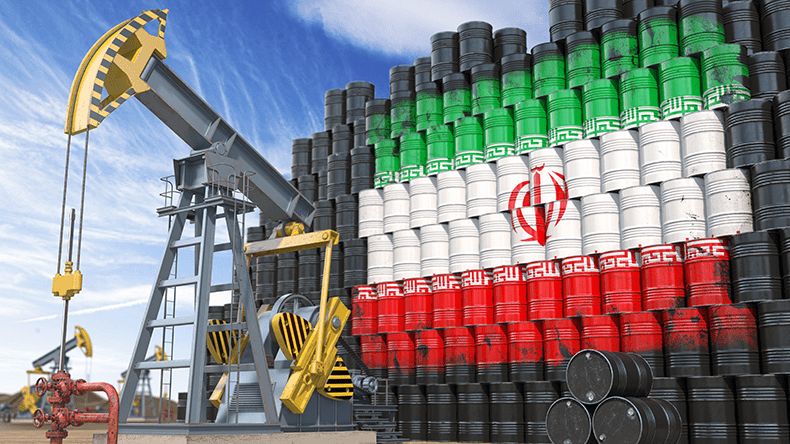
The United States has reinstated sanctions on Iranian oil sales after a series of attacks on LNG and oil tankers transiting the Strait of Hormuz, marking a sharp escalation in tensions between Washington and Tehran. The move reverses a temporary sanctions waiver introduced just weeks earlier as part of a fragile diplomatic understanding between the two countries.
The decision came after three commercial vessels—including oil and liquefied natural gas (LNG) tankers—were struck by projectiles near the Strait of Hormuz, one of the world’s busiest energy shipping routes. U.S. officials blamed Iran for the attacks, calling them “wholly unacceptable,” while Tehran has not publicly accepted responsibility. The renewed sanctions have fueled concerns about global energy supplies, sending oil prices sharply higher.
US Revokes Iran Oil Sales License
The U.S. Treasury has revoked the general license that temporarily allowed Iran to sell crude oil, petrochemical products, and petroleum-related goods on international markets.
The authorization, introduced on June 22, was originally scheduled to remain in effect until August 21 as part of ongoing negotiations between Washington and Tehran. However, following the latest maritime attacks, the U.S. shortened the wind-down period, requiring all authorized transactions to end by July 17.
Tanker Attacks Trigger Policy Reversal
The sanctions reversal follows attacks on three commercial vessels sailing through or near the Strait of Hormuz.
According to U.S. officials, the ships—including LNG and crude oil tankers—were hit by unidentified projectiles while navigating one of the world’s most strategically important maritime corridors. Washington described the attacks as a violation of recent diplomatic understandings and warned that such actions would carry consequences.
Why the Strait of Hormuz Matters
The Strait of Hormuz is one of the world’s most critical energy chokepoints.
Roughly one-fifth of global oil consumption and a significant share of worldwide LNG exports pass through the narrow waterway connecting the Persian Gulf with international markets.
Any disruption to shipping in the region can have an immediate impact on global energy prices, insurance costs, and supply chains, making the latest attacks particularly significant for oil markets.
Oil Prices Surge on Supply Fears
Energy markets reacted swiftly to the renewed sanctions and escalating geopolitical tensions.
Brent crude and West Texas Intermediate (WTI) crude both rose by more than 5%, as traders priced in the risk of further disruptions to Middle East oil exports.
Analysts noted that while physical supplies have not yet been significantly affected, fears of additional attacks on shipping or energy infrastructure have added a geopolitical risk premium to crude prices.
Impact on Iran’s Oil Exports
The reinstated sanctions are expected to affect Iran’s ability to legally export crude oil under the temporary waiver.
Oil exports remain a major source of revenue for Iran, with China continuing to be one of the country’s largest buyers despite years of U.S. sanctions.
The revocation of the waiver increases uncertainty over future exports and could place additional pressure on Iran’s economy if diplomatic negotiations fail to resume.
Diplomatic Efforts Face Fresh Challenges
The sanctions reversal comes amid already fragile negotiations between the United States and Iran over broader security and nuclear-related issues.
The latest military and economic measures risk undermining diplomatic progress made in recent weeks, with both sides accusing each other of violating previous understandings.
Regional security experts warn that further escalation around the Strait of Hormuz could complicate future negotiations while increasing risks to global energy markets.
What It Means for Global Markets
The return of sanctions underscores how quickly geopolitical developments can influence commodity markets.
For major oil-importing nations, including India, sustained increases in crude prices could translate into:
- Higher fuel import costs.
- Increased inflationary pressure.
- Rising transportation and logistics expenses.
- Greater volatility in financial markets.
- Potential pressure on retail fuel prices.
Investors will closely monitor developments in the Strait of Hormuz and any further diplomatic or military actions that could affect global oil supplies.
Looking Ahead
The United States’ decision to reinstate sanctions on Iranian oil sales marks a significant shift in its recent approach toward Tehran. By reversing the temporary oil sales authorization following attacks on LNG and oil tankers, Washington has signaled a tougher stance amid rising regional tensions.
As global markets assess the implications for energy supplies and international shipping, attention will remain focused on whether diplomatic efforts can resume or whether the confrontation escalates further, with potentially far-reaching consequences for oil prices and the global economy.
Get the day’s top stories in your inbox
One concise email. No spam, unsubscribe anytime.