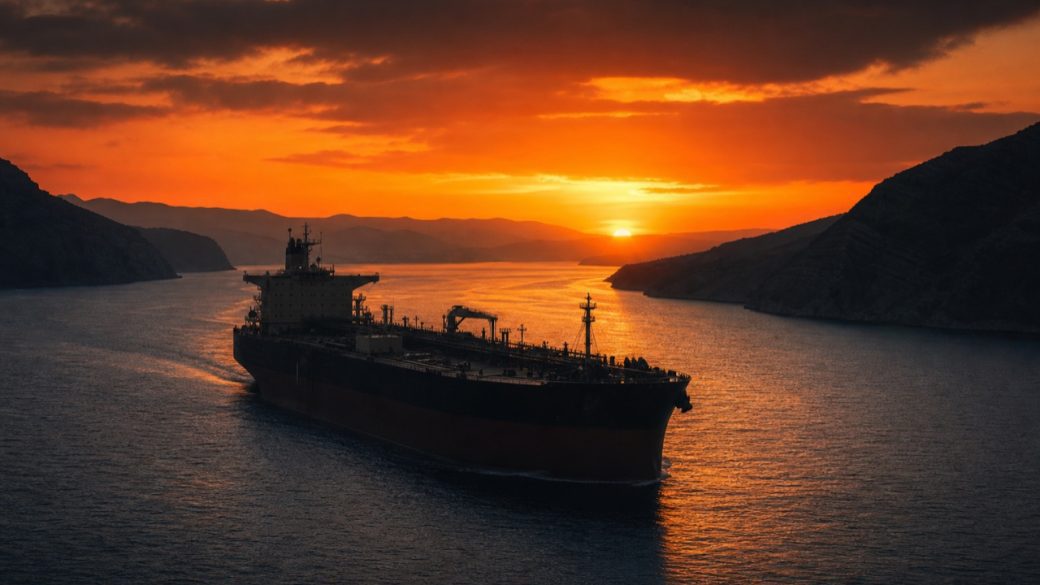
Oil prices climbed sharply after the United States launched a fresh round of military strikes against Iranian targets, reigniting concerns over potential disruptions to global crude supplies and shipping through the strategically vital Strait of Hormuz. The escalation marks a renewed deterioration in U.S.-Iran relations after a fragile ceasefire, prompting traders to price in higher geopolitical risk across energy markets.
Brent crude rose above $76 per barrel, while U.S. West Texas Intermediate (WTI) crude also posted strong gains as investors reacted to the latest military developments and Washington’s decision to tighten pressure on Iran’s oil exports. The renewed tensions have revived fears that any disruption in the Middle East could affect a region responsible for a significant share of the world’s oil production and exports.
US Launches Fresh Strikes on Iran
The latest escalation follows U.S. military strikes targeting Iranian military assets after attacks on commercial vessels transiting the Strait of Hormuz. The Trump administration said the operation was carried out in response to what it described as Iranian aggression against international shipping.
Alongside the military action, Washington also revoked a sanctions waiver that had allowed Iran to sell oil under an interim agreement, signaling a return to stricter economic pressure on Tehran. The developments have raised concerns that the fragile peace process could further deteriorate in the coming days.
Oil Prices Jump on Supply Concerns
Energy markets reacted immediately to the renewed conflict.
Brent crude climbed to around $76.5 per barrel, while WTI crude traded above $72.5 per barrel, extending gains after concerns emerged that escalating tensions could threaten crude shipments through the Strait of Hormuz.
Oil traders remain particularly sensitive to developments in the region because roughly one-fifth of global oil supplies typically pass through the narrow waterway connecting the Persian Gulf to international markets. Any threat to shipping routes can quickly push prices higher as buyers anticipate tighter supplies.
Strait of Hormuz Back in Focus
The Strait of Hormuz has once again become the center of global energy market attention.
Recent attacks on commercial vessels have increased concerns about shipping safety, prompting maritime security agencies to raise threat levels for vessels operating in the region. Higher insurance costs, shipping delays, or further attacks could impact global energy flows if tensions continue to escalate.
The waterway is one of the world’s most important oil transit routes, carrying exports from major producers including Saudi Arabia, Iraq, Kuwait, the United Arab Emirates, and Iran.
Why Oil Prices React So Quickly
Crude oil prices are highly sensitive to geopolitical developments, particularly in the Middle East.
Markets typically respond to:
- Military conflict involving major oil-producing nations.
- Threats to shipping lanes.
- Sanctions affecting crude exports.
- Supply disruptions.
- Rising insurance and transportation costs.
Even if actual production remains unaffected, expectations of future supply disruptions can trigger sharp price movements.
Potential Impact on India
India imports more than 85% of its crude oil requirements, making it particularly vulnerable to sustained increases in global oil prices.
Higher crude prices can lead to:
- Increased fuel import bills.
- Pressure on inflation.
- Higher transportation costs.
- Potential impact on petrol and diesel prices.
- Increased costs for airlines, logistics companies, and manufacturers.
While India has diversified its energy imports in recent years, prolonged instability in the Middle East could still affect domestic energy markets.
Markets Watching Next Steps
Investors are now closely monitoring whether the latest military action leads to further retaliation or renewed diplomatic efforts.
Any additional attacks on energy infrastructure or commercial shipping could push crude prices even higher, while signs of de-escalation may help stabilize markets.
Analysts note that oil prices will likely remain volatile as traders assess the evolving geopolitical situation and its potential impact on global energy supplies.
Looking Ahead
The latest U.S. strikes on Iran have once again highlighted how quickly geopolitical tensions can ripple through global energy markets. With oil prices already climbing on fears of supply disruptions and shipping risks in the Strait of Hormuz, investors will be watching closely for any signs of escalation or diplomatic progress.
For now, renewed uncertainty in the Middle East has restored a geopolitical risk premium to crude oil, leaving governments, businesses, and consumers worldwide closely monitoring developments that could shape energy prices in the weeks ahead.
Get the day’s top stories in your inbox
One concise email. No spam, unsubscribe anytime.