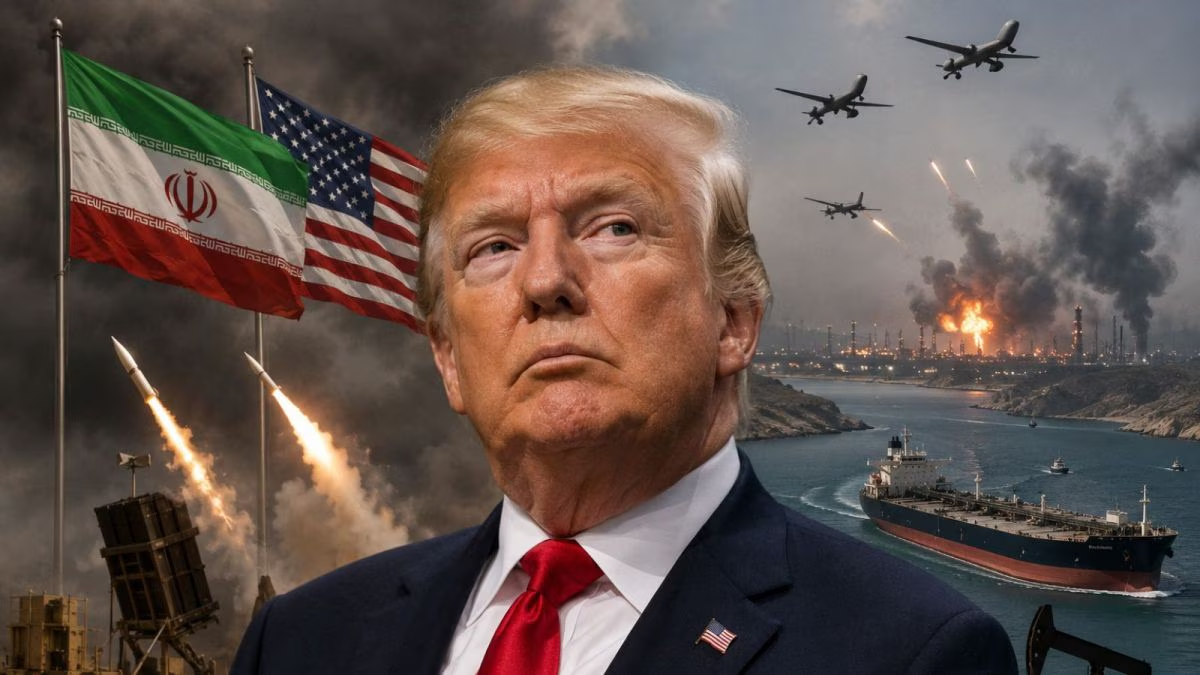
High-stakes backchannel diplomacy aimed at formalizing an end to recent military hostilities has exposed a massive economic compromise. A draft memorandum of understanding (MoU) currently circulating between Washington and Tehran includes provisions for a $300 billion postwar fund designed to aid Iran’s economic recovery and reconstruction.
The multi-billion dollar mechanism, first reported by The New York Times, represents a central pillar of an initial 60-day non-aggression framework brokered by regional mediators including Qatar and Pakistan.
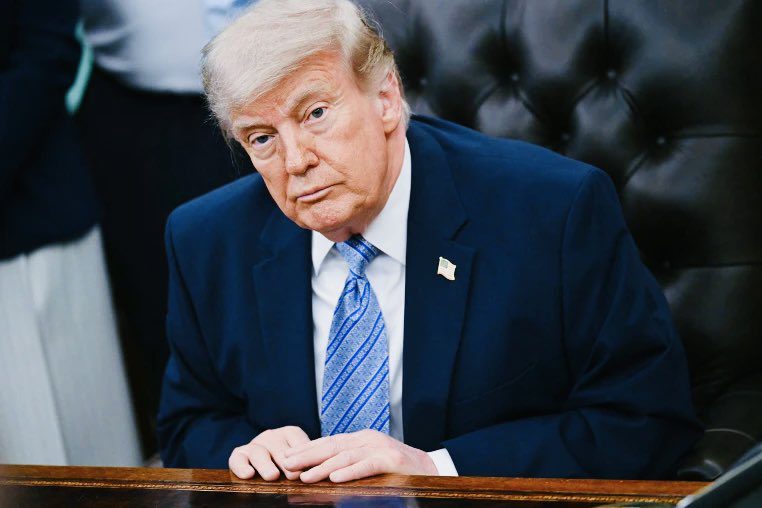
However, the clause has exposed a stark linguistic and political divide between negotiators, and the entire framework remains pending final executive authorization from US President Donald Trump.
From War Damages to “International Investment”
The structural inclusion of the $300 billion figure is a direct response to a rigid baseline demand from Tehran. Earlier in the negotiation cycle, Iranian officials aggressively demanded formal reparations for physical infrastructure destruction, domestic economic disruption, and industrial damage caused by months of intense conflict, trade blockades, and targeted bombardments. Internal Iranian parliamentary estimates had placed the total conflict-related destruction between $300 billion and $1 trillion.
To break the resulting diplomatic deadlock, American negotiators executed a calculated semantic pivot:
- The Iranian Frame: Inside Tehran’s political circles, the allocation is openly characterized as a guaranteed “reconstruction program” acting as partial compensation for war-related damage.
- The American Frame: To bypass severe domestic political friction and inevitable congressional gridlock, US diplomats entirely scrubbed the text of legal accountability words like “compensation” or “reparations”. Instead, the draft officially defines the package as an international “investment fund” that the United States would merely help facilitate rather than independently finance.
The corporate rebranding of wartime damages is reportedly linked to early real estate, infrastructure, and commercial energy investment proposals floated by US Middle East envoy Steve Witkoff and Jared Kushner. Under this commercial compromise, Iran has suggested that major American oil, gas, and energy corporations could be permitted to pursue joint venture operations inside the country if primary international sanctions are systematically unwound.
Core Provisions of the 60-Day Temporary Truce
The $300 billion fund is designed to act as an economic incentive to anchor a broader, highly complex transition roadmap. If approved, the initial memorandum would kick off a mandatory 60-day negotiation buffer period to sort out permanent terms:
- Maritime Stability: Iran would commit to lifting shipping restrictions and restoring commercial transit volumes through the critical Strait of Hormuz back to pre-war baselines within 30 days, managing traffic routing alongside Oman.
- Blockade Demobilization: The United States would systematically draw down its naval blockade presence and withdraw military deployments directly surrounding Iranian sovereign borders.
- Regional Ceasefire Scope: While the US text views the draft as a temporary non-aggression pact, Iranian lawmakers, including Economic Committee Secretary Meysam Zohourian, state the draft outlines a comprehensive declaration of the “end of war” across all active theatres, including Lebanon.
- Asset and Revenue Thaw: The US would implement a phased timetable to lift select primary and secondary sanctions, granting exemptions for Iranian petrochemical sales and triggering the gradual release of billions in frozen Iranian funds as benchmarks are cleared.
The Nuclear Caveat and Domestic Blowback
Crucially, the complex issue of Iran’s highly enriched uranium stockpile has been completely uncoupled from the initial 60-day financial framework. The current text merely binds both nations to future formal talks regarding the dilution or potential foreign transfer of weapons-grade fissile material under strict international monitoring.
This structural sequencing—offering substantial economic relief, asset unfreezing, and an investment runway before securing verifiable nuclear disarmament—has triggered intense regional anxiety. Critics and security analysts across the Middle East have quickly labeled the draft terms a strategic misfire, warning that releasing massive economic lifelines to Tehran upfront removes the primary leverage required to permanently dismantle Iran’s long-range ballistic missile capabilities and state-sponsored proxy networks.
With the text finalized by international mediators, the fate of the agreement hinges entirely on whether the White House is willing to absorb the intense domestic
Get the day’s top stories in your inbox
One concise email. No spam, unsubscribe anytime.