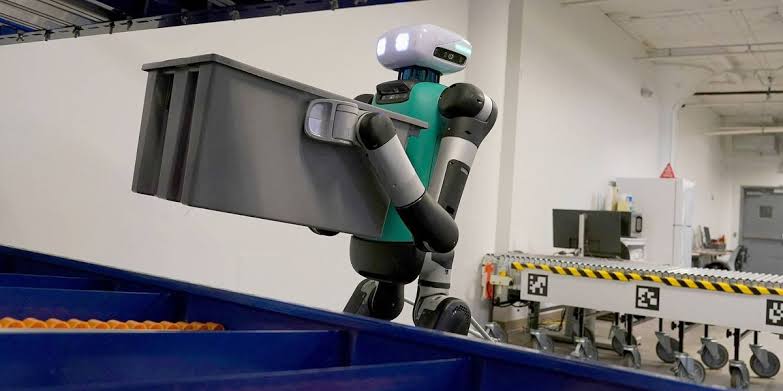
US labor shortage is the big gap between the number of jobs and the number of people ready to do them. That gap may grow by 2032 as millions of older Americans retire. So more employers are looking at AI to help fill the space.
Key takeaways
- The US labor shortage could worsen as baby boomers leave the workforce.
- Some forecasts say the US may be short millions of workers by 2032.
- Companies hope AI can handle routine tasks, so fewer workers can do more.
- AI will not replace every job, but it may change many jobs fast.
Why is the US labor shortage getting so much attention?
The story is simple. A huge generation is getting older, and many people are retiring. Baby boomers are Americans born from 1946 to 1964. They make up a big share of workers in offices, hospitals, factories, and schools.
When lots of experienced workers leave at once, companies feel it. They may struggle to hire nurses, drivers, technicians, and office staff. That is why the US labor shortage matters beyond boardrooms. It can slow services people use every day.
Labor shortage means there are not enough workers for the open jobs. It does not mean every person is unemployed. In fact, it often means the opposite. Employers want people, but can’t find enough of them.
How big could the US labor shortage become by 2032?
Different groups use different models, but the broad warning is similar. The United States could face a worker gap in the millions by 2032. One often-cited estimate puts the gap near 6 million workers. That is like missing the whole population of a large state workforce.
The numbers behind this are easy to see. In 2024, the US civilian labor force was about 168 million people, according to federal data. If retirements rise while hiring stays weak, even a small percentage gap becomes huge. A 3% gap on that base is more than 5 million workers.
Meanwhile, demand is not standing still. Health care needs are rising as the population ages. Warehouses, construction firms, and local governments also need staff. So the US labor shortage is not one problem in one town. It spreads across many sectors.
Estimated worker gap by 20323 million6 millionlower casehigher case02M4M6M
Here is a quick snapshot of the issue:
| Measure | Figure | What it means |
|---|---|---|
| US labor force | About 168 million | Total people working or seeking work |
| Possible worker gap by 2032 | 3 to 6 million | Open roles may exceed available workers |
| Boomer birth years | 1946 to 1964 | Large generation now nearing or in retirement |
Can AI really help with the US labor shortage?
It can help, but it is not magic. AI means software that can do some tasks that usually need human thinking. For example, it can sort data, answer common questions, write first drafts, and spot patterns in big files.
That matters because one worker may get more done with AI tools. A nurse might spend less time on forms. A customer service team might answer routine questions faster. A warehouse manager might predict supply needs earlier, so fewer mistakes pile up.
Still, AI cannot do every job. It cannot replace a plumber in your kitchen. It cannot comfort a patient like a good nurse can. So the US labor shortage may push AI into support roles more than full replacement roles.
That pattern is already showing up in other industries too. In banking, firms keep chasing efficiency, as seen in results like Kotak Mahindra Bank Q1 results and Punjab National Bank Q1 profit. In technology, AI tools are also moving fast, as seen in Kimi K3’s rise in coding models.
Which jobs may feel the biggest change first?
Jobs with lots of repeat tasks may change first. That includes admin work, call centers, scheduling, billing, and some basic coding. These tasks follow patterns, so software can learn them more easily.
Health care may also see big change, but in a careful way. Hospitals still need people badly. Yet AI could help with note-taking, triage support, and paperwork. Triage means deciding who needs help first. That can save staff time when every minute counts.
Manufacturing and logistics may use more smart systems too. Logistics means moving goods from one place to another. AI can help plan routes, track stock, and predict delays. As a result, fewer workers may handle the same amount of work.
What are the risks if companies lean too hard on AI?
There are real risks. AI can make mistakes, and it can sound confident when it is wrong. That is why experts say people still need to check the work. In medicine, law, and finance, a bad error can hurt lives or money.
There is also a training problem. If entry-level jobs shrink, young workers may lose the first rung of the ladder. Then companies may struggle later because fewer people learned the basics. So solving the US labor shortage with AI could create a new talent gap.
Workers also worry about pay and fairness. If AI helps people do more, who gets the gain? Will workers earn more, or will companies simply cut headcount? Those are not tech questions alone. They are workplace and policy questions.
The clearest answer is this: the US labor shortage is pushing companies toward AI not because machines are perfect, but because there may not be enough people to fill millions of jobs by 2032.
What should families, students, and workers watch now?
First, watch where jobs are still growing fast. Health care, skilled trades, and repair work still need people in person. Skilled trades means hands-on jobs like electrician, welder, and mechanic. Those roles may use more software, but humans still lead the work.
Second, learn tools instead of fearing them. A student who knows how to use AI well may save time later. But the bigger edge will still be human skills. Clear writing, problem-solving, teamwork, and judgment will matter more, not less.
Third, follow the data from official sources like the US Bureau of Labor Statistics and the US Census Bureau. Those agencies track jobs, age trends, and workforce changes. They help show whether the US labor shortage is easing or getting tougher.
If you want a broader view of where economies may feel strain, our coverage of the Pakistan current account deficit and Japan market crash risk shows how labor, growth, and markets often connect.
Does this mean AI will take over work?
Not really. It means work is likely to be rearranged. Some tasks will move to software. Some jobs will shrink. Some new jobs will appear, especially for people who can manage systems, check outputs, and solve messy real-world problems.
That is why this story matters now. The US labor shortage is not just about fewer workers. It is about how the whole shape of work may change in the next six years. And for kids growing up now, that future is getting closer fast.
FAQs
What is the US labor shortage?
The US labor shortage means employers have more jobs open than workers available to fill them.
Why are baby boomers part of this story?
Baby boomers are a large generation, and many are retiring now. So they are leaving behind lots of open roles.
How can AI help companies?
AI can handle repeat tasks, speed up paperwork, and help workers do more in less time.
When could the worker gap become most serious?
Many forecasts point to the years leading up to 2032, when retirements and hiring gaps may collide.
Get the day’s top stories in your inbox
One concise email. No spam, unsubscribe anytime.