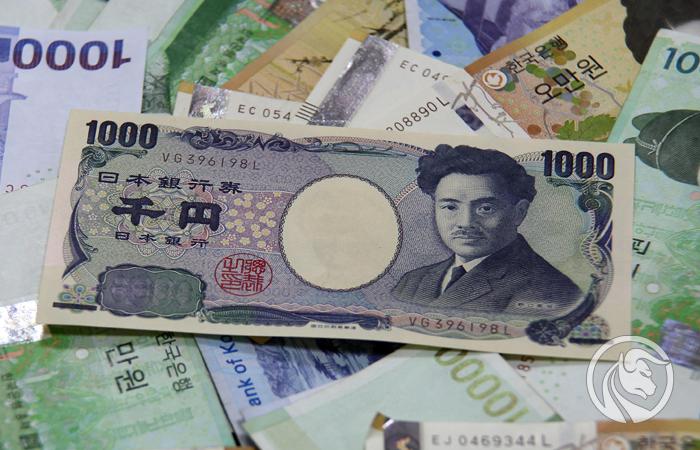
Japan market crash risk is the fear that Japan’s stocks could sink if US markets fall hard. But Japan market crash risk may be lower than many people think. Japan now has stronger wage growth, firmer prices, and company reforms. So the country may handle a US shock better than it once did.
Key takeaways
- Japan’s stock market still depends on global money, but its home economy looks stronger than before.
- Wages are rising, inflation is above zero, and companies are using cash more actively.
- Japan market crash risk matters because US stocks often set the mood for markets everywhere.
- A US crash could still hurt Japan, but the damage may not last as long as in the past.
Why are people talking about Japan market crash risk now?
Investors are nervous because US shares have had a long, powerful run. When markets rise fast for years, people start asking what happens if they snap back. Japan gets pulled into that fear because big funds often trade global markets as one basket.
That link is real. If Wall Street drops 10% or 20%, Tokyo usually feels it too. The Nikkei 225 is Japan’s main stock index. An index is a list that tracks a group of stocks. But today’s Japan is not the same weak, sleepy economy many people remember from years ago.
The bigger point is simple. Japan market crash risk is about the stock market, not just the whole economy. Stocks can swing fast because traders panic, but jobs, wages, factories, and family spending move more slowly.
What has changed inside Japan’s economy?
Japan spent many years stuck with tiny growth and falling prices. Falling prices are called deflation. Deflation sounds nice at first, but it can make people delay spending and businesses stop investing. That old pattern is now shifting.
Inflation in Japan has been above the Bank of Japan’s 2% target for much of the past two years. Inflation means prices rise over time. Wages have also moved up. In the 2024 spring wage talks, big Japanese firms agreed to pay hikes above 5%, the strongest in decades, according to major union data and company announcements.
Those numbers matter because workers with bigger pay packets tend to spend more. That helps shops, travel, and services at home. So even if exports wobble for a while, local demand can cushion the hit.
Japan market crash risk also looks different because companies are changing how they use money. Many firms once sat on huge cash piles. Now more are raising dividends and buying back shares. A buyback means a company buys its own shares, which can support the stock price.
The Tokyo Stock Exchange has also pushed firms to improve returns and explain poor valuations. Valuation is the market’s price tag on a company. This pressure has helped make Japan’s market look less stagnant and more serious to global investors.
How exposed is Japan to a US market crash?
Japan is still exposed. The US is a key market for Japanese exports, and global investors hold many Japanese shares. If the US economy shrinks fast, Japan would feel it through trade, profits, and investor fear.
Here are three easy numbers to keep in mind. The US economy is about $29 trillion. Japan’s economy is about $4 trillion. And foreign investors often account for around 30% or more of trading value in Japanese shares, depending on the period. That means outside money can move Tokyo sharply.
Yet exposure is not the same as collapse. Japan’s banks are in much better shape than in the 1990s. Corporate balance sheets also look healthier. A balance sheet is a snapshot of what a company owns and owes.
Japan’s cushions if US markets fallHigher is better in this simple score out of 10Wage growth6/10Company reforms7/10Bank strength8/10
Why might Japan weather the shock better this time?
The best reason is that Japan now has more engines at home. Rising wages can help spending. Modest inflation can help companies lift prices and profits. And corporate reforms can keep investor interest alive, even after a bad patch.
Think of it like a bicycle with more than one gear. In the past, Japan leaned heavily on exports and cheap money. Now it also has better wage momentum and stronger pressure on companies to perform. That does not remove Japan market crash risk, but it makes the system less fragile.
There is also a policy angle. The Bank of Japan has started moving away from ultra-low rates very slowly. Interest rates are the cost of borrowing money. Because Japan has been careful, it may have a bit more room to respond if growth weakens again.
For readers tracking wider Asia and global trade, our coverage of copper demand worldwide shows how industry demand can signal economic strength. We also looked at Pakistan’s current account deficit, which explains how external shocks can hit countries in very different ways.
What could still go wrong?
Plenty. If the US crash came with a deep recession, Japan would not escape untouched. Car makers, machinery firms, chip equipment makers, and exporters would face weaker orders. The yen could also jump if investors run to safety.
A stronger yen can hurt exporters because their overseas sales turn into fewer yen at home. That’s one reason Japan market crash risk never disappears. Also, if energy prices spike while demand slows, households could feel squeezed from both sides.
Another problem is market psychology. Psychology means how people feel and react. If funds rush to sell anything risky, good companies can drop with bad ones. We saw that pattern in many past sell-offs around the world.
| Factor | Past Japan | Japan now |
|---|---|---|
| Wages | Mostly flat | Rising faster |
| Prices | Deflation risk | Inflation above 2% |
| Company cash use | Often idle | More buybacks and dividends |
| Banks | Past stress | Healthier overall |
So what does Japan market crash risk really mean for investors?
It means Japan could fall in a US-led sell-off, but it may recover better than before. That is the heart of the story. Japan’s economy is not booming like a rocket, but it is no longer as stuck as it was.
One clear way to say it is this: a US market crash would likely drag Japanese shares down, yet Japan’s stronger wages, healthier companies, and steadier banks could stop a stock shock from turning into a full economic slump. That is the quotable core investors should remember.
If you want a broader sense of risk and opportunity in Asia, see our report on investment friendliness in Indian states and our piece on why Indian bank profits may stay strong. Different markets react in different ways, so context matters.
For primary data, readers can check the Bank of Japan and the Japan Exchange Group. Those sources track rates, inflation, and market rules directly.
FAQs
What is Japan market crash risk?
It is the chance that Japanese stocks could drop hard, especially if US markets tumble and global investors panic.
Why might Japan handle a US crash better now?
Japan has stronger wage growth, healthier banks, and more active company reforms. So the economy has more support at home.
Who would be hit first if US markets crashed?
Exporters, global funds, and fast-moving traders would likely feel it first. Households and jobs would usually react more slowly.
Get the day’s top stories in your inbox
One concise email. No spam, unsubscribe anytime.