Key takeaways
- YES Bank results show net profit rose 34% year on year.
- Asset quality improved, which means fewer loans are turning bad.
- Loan growth stayed strong, so the bank kept expanding its lending book.
- Investors cheered the update, and the stock moved up after the announcement.
YES Bank results gave investors a simple message: the bank made more money and cleaned up its loan book. YES Bank results means the bank’s latest report card for profit, loans, and bad loans. Profit rose 34%, while asset quality got better. That helped lift confidence around the bank.
What did YES Bank report this quarter?
The big headline was profit growth. YES Bank said its net profit rose 34% from a year earlier. Net profit is the money left after costs and taxes. That is the number many investors watch first because it shows whether a business is earning more.
The bank also reported strong loan growth. Loans are the money a bank gives to people and companies. When loans grow at a healthy pace, it often means the bank is finding more customers and earning more interest.
At the same time, asset quality improved. Asset quality is a bank phrase for how safe its loans are. If fewer borrowers miss payments, the bank has fewer bad loans. That matters because bad loans can eat into profit fast.
Why are YES Bank results getting attention?
These YES Bank results matter because YES Bank spent years trying to rebuild trust. The bank had a deep crisis in 2020. Since then, investors have watched every quarter for signs of steady progress.
This time, the signs looked better. Profit climbed 34%. Loan growth remained strong. Bad-loan ratios also improved, so the report did not rely on just one bright spot.
That mix is what markets like. A bank can sometimes show higher profit for one short-term reason. But when profit, lending, and loan quality all move in the right way, investors often see that as a stronger signal.
How did bad loans change?
Bad loans are often called NPAs. NPA means a loan where the borrower has stopped paying for a set time. If NPAs fall, the bank usually looks safer.
YES Bank said its asset quality improved in the quarter. That means the share of stressed loans came down. Stressed loans are loans that may not be paid back on time. Lower stress can reduce future losses.
Banks also set aside money for possible losses. This is called provisioning. Provisioning means keeping a safety cushion in case some loans go bad. If asset quality improves, a bank may not need to set aside as much later.
Did lending stay strong?
Yes, and that is a key part of the story. The bank said loan growth remained strong. That tells us the bank is not just fixing old problems. It is also trying to grow like a normal bank again.
Think of a bank like a shop that sells money. It takes deposits from savers and gives loans to borrowers. If it lends carefully and gets repaid, it earns interest. So steady loan growth can support future profit.
Still, growth alone is not enough. Fast loan growth can be risky if the bank gives money to weak borrowers. That is why investors look at both loan growth and asset quality together in YES Bank results.
YES Bank key numbersProfit+34%LoansStrong growthBad loansImproved
YES Bank results at a glance
Here is a quick look at the main points from the quarter. The table keeps the story simple.
| Metric | What happened | Why it matters |
|---|---|---|
| Net profit | Up 34% | Shows earnings improved |
| Loan growth | Remained strong | Suggests business expansion |
| Asset quality | Improved | Means fewer risky loans |
| Investor reaction | Shares jumped | Shows stronger market confidence |
What does this mean for customers and investors?
For customers, stronger YES Bank results can signal a more stable bank. That does not change your savings account overnight. But it can improve trust over time, which is a big deal for any bank.
For investors, the update suggests the turnaround is still moving ahead. A turnaround is a recovery after a business gets into trouble. In fact, banks that repair bad loans while still growing often get more attention from the market.
But one quarter is never the whole story. Investors will want to see if the bank can keep this pace for several quarters. They will also watch deposits, margins, and credit costs in future updates.
Margins are the gap between what a bank earns on loans and pays on deposits. Credit cost means money lost, or set aside, because some loans may fail. These numbers help show whether profit growth is truly solid.
How does YES Bank compare with other Indian banks?
Indian banks have reported mixed but mostly steady numbers this season. Some larger lenders have shown profit growth with different weak spots, such as softer margins or slower income growth. That makes cleaner loan books even more important.
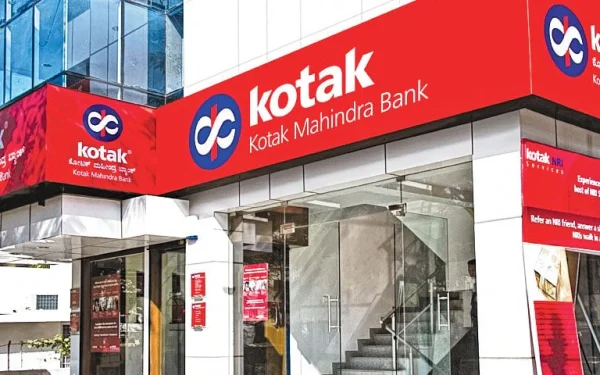
For example, Kotak Mahindra Bank Q1 results showed profit growth, while Punjab National Bank Q1 profit also drew attention for a strong jump. Reading them together helps you see how banks are balancing growth and risk.
If you want the bigger picture, our piece on the Indian banks FY27 outlook explains why profits may stay firm. It also shows what could go wrong if funding costs rise or loan quality worsens.
What should readers watch next?
The next few quarters matter more than one good day in the stock market. Readers should watch whether YES Bank results keep showing three things at once: profit growth, loan growth, and better asset quality.
Another thing to watch is deposits. Deposits are the money customers keep in the bank. A bank needs steady deposits because they help fund new loans at a lower cost.
It also helps to track official disclosures. You can read company filings on the BSE website and broad banking data from the Reserve Bank of India. Primary sources are useful because they show the numbers without spin.
YES Bank’s latest quarter sends a clear signal: profit rose 34%, loan growth stayed strong, and bad loans improved, so the bank looks more stable than it did in its crisis years.
FAQs
What do YES Bank results show?
YES Bank results show that profit rose 34%, loan growth remained strong, and asset quality improved. That means the bank earned more and had fewer risky loans.
Why do bad loans matter so much?
Bad loans can hurt a bank’s profit because the bank may not get its money back. So when bad loans fall, the bank usually looks safer and stronger.
How should investors read this update?
Investors should see it as a positive sign, but not the final answer. They need to check if future quarters also show steady profit, careful lending, and healthy deposits.
Get the day’s top stories in your inbox
One concise email. No spam, unsubscribe anytime.