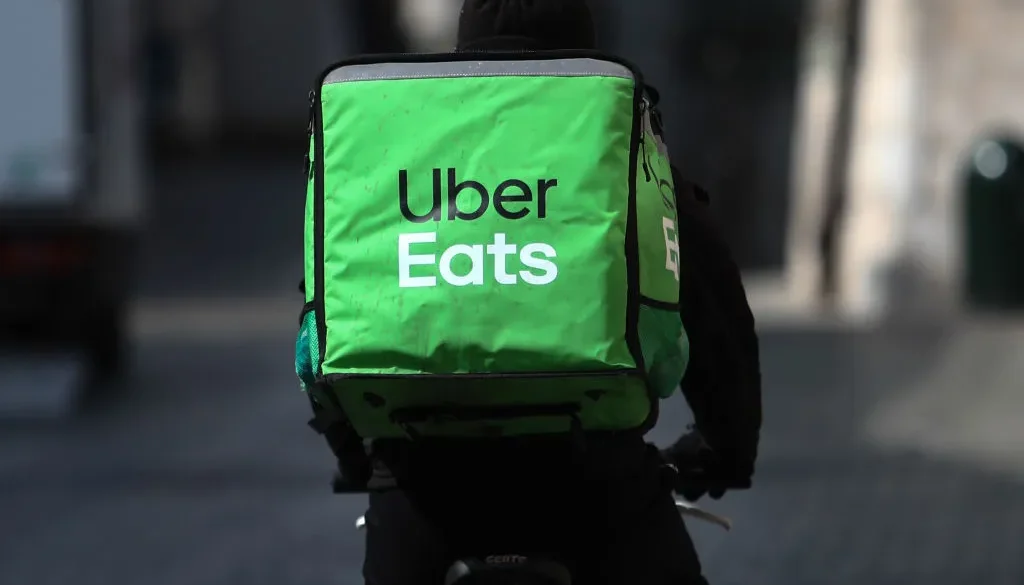
Uber Technologies has abruptly paused the majority of its planned food delivery expansion across Europe, executing a sharp strategy shift just months after announcing an aggressive push into new geographic markets.
As first reported by the Financial Times, the San Francisco-based ride-hailing giant has shelved planned launches for its Uber Eats platform in five of the seven European countries it had targeted this year. The company is pivoting its capital allocation away from expensive, ground-up market launches to focus on its ongoing multi-billion-dollar pursuit of a major rival.
1. The Markets Caught in the Freeze
Early in the year, Uber mapped out an expansion plan into seven new European territories, aiming to generate an additional $1 billion in gross bookings over the next three years. Following the strategy shift, the geographic footprint has been heavily adjusted:
- The Paused Markets: Uber has halted its rollout plans in Austria, Norway, Greece, the Czech Republic, and Romania.
- The Surviving Launches: The expansion pause comes right after Uber successfully established operations in Finland and Denmark. Uber stated that because these initial launches were a “huge success,” it has decided to focus its resources on maintaining that momentum and building scale in existing markets rather than spreading its logistics networks thin.
2. The Delivery Hero Takeover Target
The primary driver behind the retreat from independent expansion is Uber’s aggressive effort to buy its way to European dominance. Uber is deep in negotiations to acquire Berlin-based Delivery Hero, one of Europe’s largest food delivery conglomerates.
By scaling back independent rollouts, Uber avoids spending massive capital to compete directly against localized Delivery Hero platforms. If a buyout succeeds, Uber would inherit established market-leading brands overnight:
Plaintext
[ THE TARGET DELIVERY HERO LANDSCAPE ]

├── Foodora  ──► Operates natively in Austria, Norway, and the Czech Republic
├── efood    ──► Deeply entrenched market leader in Greece
└── Glovo    ──► Commanding delivery footprint in Romania
3. Consolidation Economics & Market Pressures
The global food delivery landscape has grown incredibly saturated, placing immense pressure on companies to prioritize profitability and market density over expensive user-acquisition wars.
- The Stakes Increase: To secure its footing ahead of any final deal, Uber recently raised its equity stake in Delivery Hero to nearly 37% (up from 25%) by purchasing a massive block of shares from global investment manager Aspex Management.
- The Strategic Retreat: Building out driver networks, restaurant partnerships, and customer subsidies from scratch in five new countries would cost Uber hundreds of millions of dollars with highly uncertain timelines for a return on investment.
- Antitrust Maneuvering: Pausing its own independent launches in these five specific markets could also serve a secondary purpose: lowering the risk of antitrust blockages. By not establishing a physical presence in countries like Austria or Greece prior to a deal, Uber reduces the “overlapping market share” that European competition authorities look at when assessing monopolies.
4. The Saturated European Matrix
Uber’s strategic pullback highlights just how fiercely contested the European continent has become. The company is locked in a tight, multi-front market battle with Deliveroo and the DoorDash-owned Wolt, even as DoorDash continues to aggressively protect its dominant lead on Uber’s home turf in the United States.
While Delivery Hero’s board rejected an initial €10 billion ($11.4 billion) takeover proposal from Uber earlier this year, Uber’s creeping stake accumulation and parallel expansion freeze signal that the tech giant is fully committed to a strategy of consolidation rather than organic growth.
Get the day’s top stories in your inbox
One concise email. No spam, unsubscribe anytime.