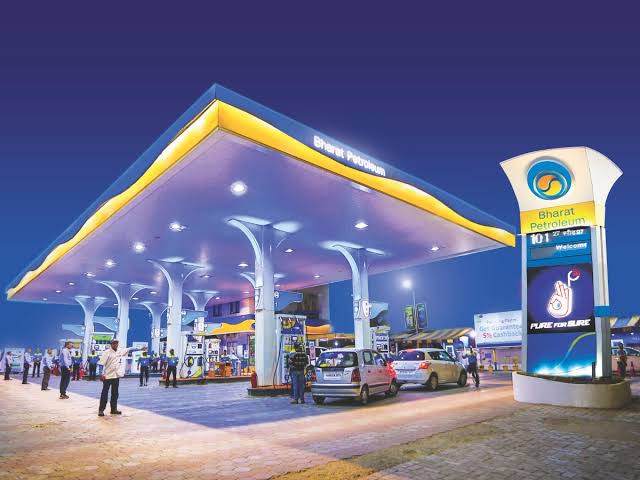
State-run refiner and fuel retailer Bharat Petroleum Corporation Limited (BPCL) has entered early-stage discussions with Iranian suppliers to prepare for a potential resumption of crude oil imports.
The move follows a temporary 60-day sanctions waiver granted by the United States, which allows Iran to produce and sell crude oil and petrochemical products in U.S. dollars through August 21, 2026. India, the world’s third-largest oil importer, historically halted its purchases of Iranian crude in 2019 after the expiration of previous U.S. sanctions exemptions.
1. Timeline and the September Pivot
While discussions are actively underway, BPCL will not be making immediate purchases. In an interview with Moneycontrol, BPCL Finance Director Vetsa Ramakrishna Gupta clarified the company’s structural purchasing schedule:
- Existing Commitments: BPCL’s current crude procurement pipeline is entirely locked in and committed through August 2026.
- The Procurement Window: Fresh buying requirements will only open starting September 1, 2026.
- The Regulatory Catch: BPCL will only pull the trigger on actual imports if Washington extends the current sanctions waiver past its upcoming August 21 cut-off date and establishes a concrete, long-term trade agreement with Tehran.
2. The Economics: Russian Urals Still Hold the Edge
Even if Iranian crude becomes fully available and legally compliant, it faces stiff commercial competition within India’s import mix. Russia currently captures a record-high 46% of India’s total crude import basket (as of June 2026 data).
BPCL’s financial leadership noted that Russian barrels remain significantly more economical for its refineries due to steeper pricing discounts:
| Crude Grade / Origin | Anticipated Market Discounts (Per Barrel) | Operational Verdict |
| Russian Urals | $6 to $7 Discount | More attractive; remains the baseline volume anchor for refining margins. |
| Iranian Crude | $4 to $5 Discount | Secondary tier alternative, dependent on formal regulatory clearances. |
3. Broader Energy Security & LPG Diversification
The talks with Iran extend past raw crude oil into broader energy supply-chain diversification. Following severe supply vulnerabilities exposed by the recent geopolitical tensions around the Strait of Hormuz (through which nearly 90% of India’s liquefied petroleum gas imports typically pass), Indian oil marketing companies are aggressively overhauling their sourcing maps.
BPCL is exploring long-term liquefied petroleum gas (LPG) procurement channels beyond West Asia, looking at a matrix of future suppliers that includes the United States, Angola, Argentina, and Iran. Concurrently, the firm is preparing to invest roughly ₹5,000 crore to expand its domestic LPG storage infrastructure as the government weighs a mandate for a 30-day strategic fuel reserve.
Get the day’s top stories in your inbox
One concise email. No spam, unsubscribe anytime.