Key takeaways
- Adani says the Vizhinjam Port stake sale will not change who runs the port.
- The company plans to keep management control even if it sells part of its holding.
- Vizhinjam is a deep-sea port in Kerala. A deep-sea port can handle very large ships.
- The move could help raise funds for expansion while keeping operations steady.
The Vizhinjam Port stake sale is a plan to sell part of the project without giving up control. That means Adani says it would still run the Kerala port and make the key decisions. For readers, this matters because Vizhinjam is one of India’s biggest new shipping projects.
Adani’s message is simple. A partial sale does not mean an exit. The company says it can bring in fresh money, but still stay in charge of building and running the port.
Why is the Vizhinjam Port stake sale in the news?
The story picked up attention after Adani Group said it expects to keep control of Vizhinjam even if it sells a stake. A stake sale means selling part ownership in a project. Companies often do this to raise cash, spread risk, or bring in new investors.
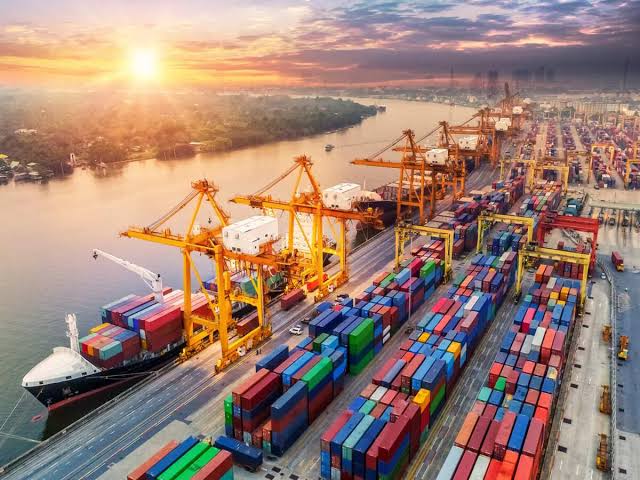
Vizhinjam sits near key global shipping lanes off Kerala’s coast. Shipping lanes are the sea routes used by cargo ships. Because of that location, the port could attract large vessels that now stop at foreign hubs such as Colombo, Dubai, or Singapore.
That’s a big reason this project matters. If more ships stop in India first, Indian trade could get faster and cheaper. As a result, exporters and importers may save time on moving goods.
What exactly would change after the Vizhinjam Port stake sale?
According to the company’s assurance, not much would change in day-to-day control. The Vizhinjam Port stake sale would likely bring in another investor, but Adani says it would still manage the asset. In simple terms, someone else may own a slice, while Adani keeps the steering wheel.
This kind of structure is common in infrastructure. Infrastructure means big public-use assets like ports, roads, and airports. These projects cost huge sums, so companies often share ownership while keeping an operator in place.
Think of it like a school canteen. One person may run it every day, even if several people helped pay for it. That seems to be the model Adani wants for Vizhinjam.
Why is Vizhinjam Port such a big deal for Kerala and India?
Vizhinjam is not just another local harbour. It is being built as a transshipment port. A transshipment port is a place where cargo containers move from one ship to another before heading to their final stop.
India has long depended on foreign ports for some of this cargo movement. That means goods from India are sometimes shifted outside India first. So a strong domestic transshipment hub could keep more shipping business at home.
The port’s natural depth is one of its biggest strengths. Deep water lets very large container ships dock without much extra dredging. Dredging means digging out the seabed to make water deeper for ships.
That advantage matters because giant container vessels carry thousands of boxes at once. For example, many modern ships carry more than 10,000 containers. Bigger ships can lower transport cost per container, which helps trade.
Cargo route comparisonOld route: India to foreign hubPossible route: direct via VizhinjamLonger green bar shows more cargo handled in India.
How could the Vizhinjam Port stake sale help the project?
Ports need a lot of money before they earn steady returns. Returns are the money investors hope to make over time. A stake sale can bring in funds for expansion, debt reduction, or related logistics work.
That matters because port projects are expensive and slow. They need cranes, berths, roads, rail links, and storage yards. A berth is the place where a ship docks at a port.
Even a minority sale can unlock large sums. For example, if a project is valued at ₹10,000 crore, a 20% sale could raise about ₹2,000 crore. That is only an example, not an announced deal value, but it shows why investors care.
Fresh capital could also calm lenders. Lenders are banks or funds that give loans. If a project brings in new equity, which means owner money, its finances can look safer.
What are investors and shipping companies likely watching?
They will watch three things closely. First, who buys into the project. Second, what price the stake gets. Third, whether the sale changes the timeline for expansion.
They will also watch cargo growth. If container volumes rise fast, the port becomes more attractive. Container volume means the amount of cargo boxes a port handles.
India’s broader logistics race adds another layer. Logistics means the system that moves goods from one place to another. Readers tracking freight and warehousing may also want to see how BSNL and MTNL plan to lease properties for dark stores and why India and Russia are targeting $50 billion in mutual investments by 2030.
Another question is competition. Colombo has been a major transshipment hub for Indian cargo for years. So Vizhinjam must prove it can offer speed, reliability, and good costs.
| Point | What it means |
|---|---|
| Stake sale | Part ownership may be sold to raise money |
| Control | Adani says it will still run the port |
| Location | Near busy global shipping routes |
| Main use | Transshipment of cargo containers |
What does Adani’s assurance really mean?
Here is the plain answer: the Vizhinjam Port stake sale looks more like a funding move than a handover. That is the key point many readers want cleared up. A new investor may join, but Adani says it will keep operational control.
That distinction is important because ownership and control are not always the same. A company can sell a minority stake and still keep decision-making power. In fact, this happens often in ports, roads, and power projects.
For Kerala, the bigger issue is whether the port scales up well. For India, the bigger issue is whether more cargo stops at home instead of going abroad first. If that happens, the project could change trade flows over time.
The core takeaway is simple: the Vizhinjam Port stake sale is being positioned as a way to bring in money without changing who controls and operates the port.
What should readers watch next?
Watch for the identity of any investor and the size of the proposed sale. Those two facts will tell us how the market values the project. They will also hint at how fast future expansion could move.
Keep an eye on official company statements and port updates. You can track Adani Ports on its official website and follow shipping data and port policy through the Ministry of Ports, Shipping and Waterways.
It is also useful to watch other Adani-linked news, including the earlier US judge order in the Adani case. On the wider transport side, the debate over quick-commerce economics in Rapido CEO’s comments on Zomato and Swiggy shows how investors are looking hard at infrastructure and delivery models across sectors.
For now, though, the headline is clear. The Vizhinjam Port stake sale may bring in outside money, but Adani says the port’s control will stay with the group. That is the message markets, shippers, and Kerala will test in the months ahead.
FAQs
What is a stake sale?
A stake sale means selling part ownership in a company or project. It does not always mean giving up control.
Why does Vizhinjam Port matter?
It could help India handle more cargo at home. That may cut dependence on foreign transshipment hubs.
Who will control Vizhinjam after the sale?
Adani says it plans to keep control and continue operating the port even after a partial sale.
Get the day’s top stories in your inbox
One concise email. No spam, unsubscribe anytime.