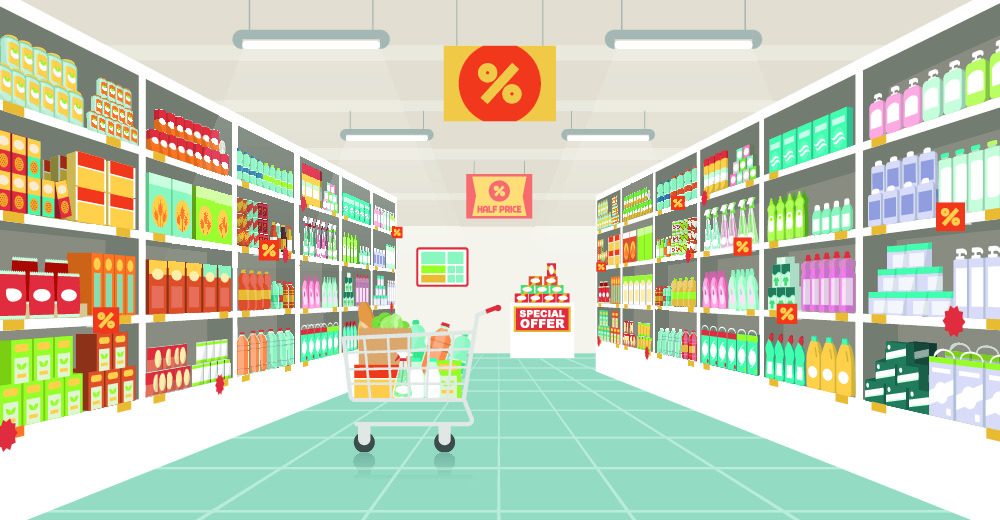
State-run telecom firms BSNL (Bharat Panchayat Sanchar Nigam Limited) and MTNL (Mahanagar Telephone Nigam Limited) are executing a major strategy shift, opening up their sprawling, under-utilized real estate portfolios to tap into India’s booming quick-commerce sector.
MTNL has formally invited competitive bids to lease out its prime real estate assets across major metro regions to be utilized explicitly as dark stores—the hyper-local mini-warehouses used by quick-commerce platforms like Blinkit, Zepto, and Instamart to fulfill 10-minute consumer deliveries.
This tactical pivot allows the cash-strapped public sector undertakings (PSUs) to generate vital non-core rental revenue while helping logistics brands secure highly sought-after, centrally located urban storage nodes.
1. The Monetization Strategy: Shifting Core Priorities
For decades, BSNL and MTNL built massive telephone exchanges, administrative hubs, and technical yards in the absolute dead-centers of India’s tier-1 and tier-2 cities. As customer habits shifted from landlines to mobile networks—and with a heavily streamlined workforce following massive Voluntary Retirement Schemes (VRS)—the companies have been left with millions of square feet of empty, idle real estate.
- MTNL’s Urban Foothill: MTNL is kickstarting the program by putting 20+ prime commercial properties in the Delhi and Mumbai Metropolitan Regions up for bidding. These include spaces in high-density corporate and residential corridors where private commercial land prices are otherwise prohibitively expensive.
- The Debt Pressure: The leasing push comes at a critical time. MTNL is currently saddled with a massive debt burden of approximately ₹30,000 crore. While rental receipts won’t completely wipe out the balance sheet liabilities, the steady, high-yield cash flow will directly offset immediate operational overheads and monthly structural costs.
- BSNL’s PAN-India Leases: Concurrently, BSNL has rolled out regional Expressions of Interest (EOIs) and commercial tenders across states like Kerala, Gujarat, Haryana, and Madhya Pradesh, offering up vacant built-up areas and rooftop footprints for commercial lease.
2. Why Quick-Commerce Giants are Eager to Bid
For quick-commerce operators, the biggest operational bottleneck is the “hyper-local real estate wall.” To maintain sub-15-minute delivery timelines, dark stores must sit deep inside dense neighborhoods.
Plaintext
[ THE INFRASTRUCTURE FIT ]

PSU Idle Real Estate             Quick-Commerce Demands
├── Central Urban Nodes   ──►    Guarantees sub-10 minute delivery radii
├── High-Volume Load Bays ──►    Handles seamless unloading of heavy logistics trucks
└── Heavy Grid Power Logs ──►    Powers heavy commercial cold-storage units for fresh groceries
By bidding on old telephone exchanges and sub-divisional compounds, tech platforms can immediately inherit robust, secure brick-and-mortar structures equipped with high ceilings, spacious entryways, and heavy-duty commercial power grids perfect for industrial refrigeration.
3. The Structural Landscape Overhaul
The decision to lease out space for dark stores is a sharp departure from traditional government asset monetization plans. Previously, the Department of Telecommunications (DoT) focused almost entirely on selling properties outright to other government departments or state organizations.
| Strategic Parameter | Previous Monetization Framework | New 2026 Operational Framework |
| Transaction Model | Outright capital sale via auction. | Long-term commercial lease agreements. |
| Target Audience | Central/State government departments and sister PSUs. | Private tech platforms, digital aggregators, and logistics firms. |
| Velocity of Capital | Slow; prone to long bureaucratic valuations and delays. | Rapid; driven by active bidding portals matching prevailing local market indices. |
Risks and Friction Points to Watch
While the bidding pipeline creates an excellent commercial avenue for both parties, execution faces a few real-world hurdles:
- Facility Retrofitting: Many of the listed telecom buildings are decades old, requiring heavy structural refurbishment, waterproofing, and layout modifications to act as modern, automated packing hubs.
- Zoning Clarifications: Passing PSU land-use classifications from “Public Utility” over to commercial warehousing and logistics fulfillment centers requires strict clearance from municipal corporations to prevent local traffic congestion.
Get the day’s top stories in your inbox
One concise email. No spam, unsubscribe anytime.