Marking a monumental milestone in its evolution from a disrupted credit-card alternative into a regulated banking institution, Slice Small Finance Bank has reported its first-ever full year of profitability.
According to its audited annual financial results released on Tuesday, the Bengaluru-headquartered digital banking platform posted a net profit of ₹48.4 crore for the fiscal year ended March 31, 2026. The performance represents a dramatic financial turnaround from the staggering ₹216.7 crore net loss recorded during the previous fiscal year (FY25).
Inside the Turnaround: Income More Than Doubles
The maiden annual profit is primarily driven by an aggressive expansion of Slice’s loan book and core interest yields following its structural integration with North East Small Finance Bank (NESFB), a merger finalized in October 2024.
- Total Operating Income: Surged 132% year-on-year to ₹1,402.7 crore in FY26, up from ₹603.8 crore in FY25.
- Interest Income from Loans: Ballooned by 149% to ₹890.5 crore, highlighting highly active consumer credit deployment across its digital interface.
- Fees & Service Charges: Income from processing fees and transactional services grew 117% to hit ₹422.8 crore.
- The Q4 Push: The bank accelerated heavily into the black during the final stretch of the year, posting a net profit of ₹20.4 crore in Q4 FY26 alone, compared to a devastating loss of ₹89.9 crore during Q4 FY25.
Strengthening the Balance Sheet
Beyond top-line metrics, the platform demonstrated a significantly healthier capital structure, putting behind it the legacy high-cost liabilities and volatile credit metrics it initially inherited during the early stages of the bank merger.
- Asset Quality Improvements: The bank’s Gross Non-Performing Asset (GNPA) ratio improved to 4.81% from 6.25% year-on-year. Net NPAs similarly tracked lower to settle at 3.61%, down from 4.67% in FY25.
- Solidifying Low-Cost Deposits: Slice’s deposit base reached approximately ₹4,500 crore. Crucially, Current Account Savings Account (CASA) deposits made up a healthy 39.8% of total holdings, allowing the lender to access a highly sustainable, low-cost pool of capital. Retail term deposits and CASA combined accounted for a dominant 94.2% of its entire deposit profile.
- Debt Reduction: The bank’s debt-to-equity ratio narrowed sharply, dropping from 0.97 in FY25 to just 0.14 in FY26, while its Capital to Risk-weighted Assets Ratio (CRAR) remained robust at 19.1%, comfortably clear of regulatory requirements.
Rewriting the Fintech Survival Guide
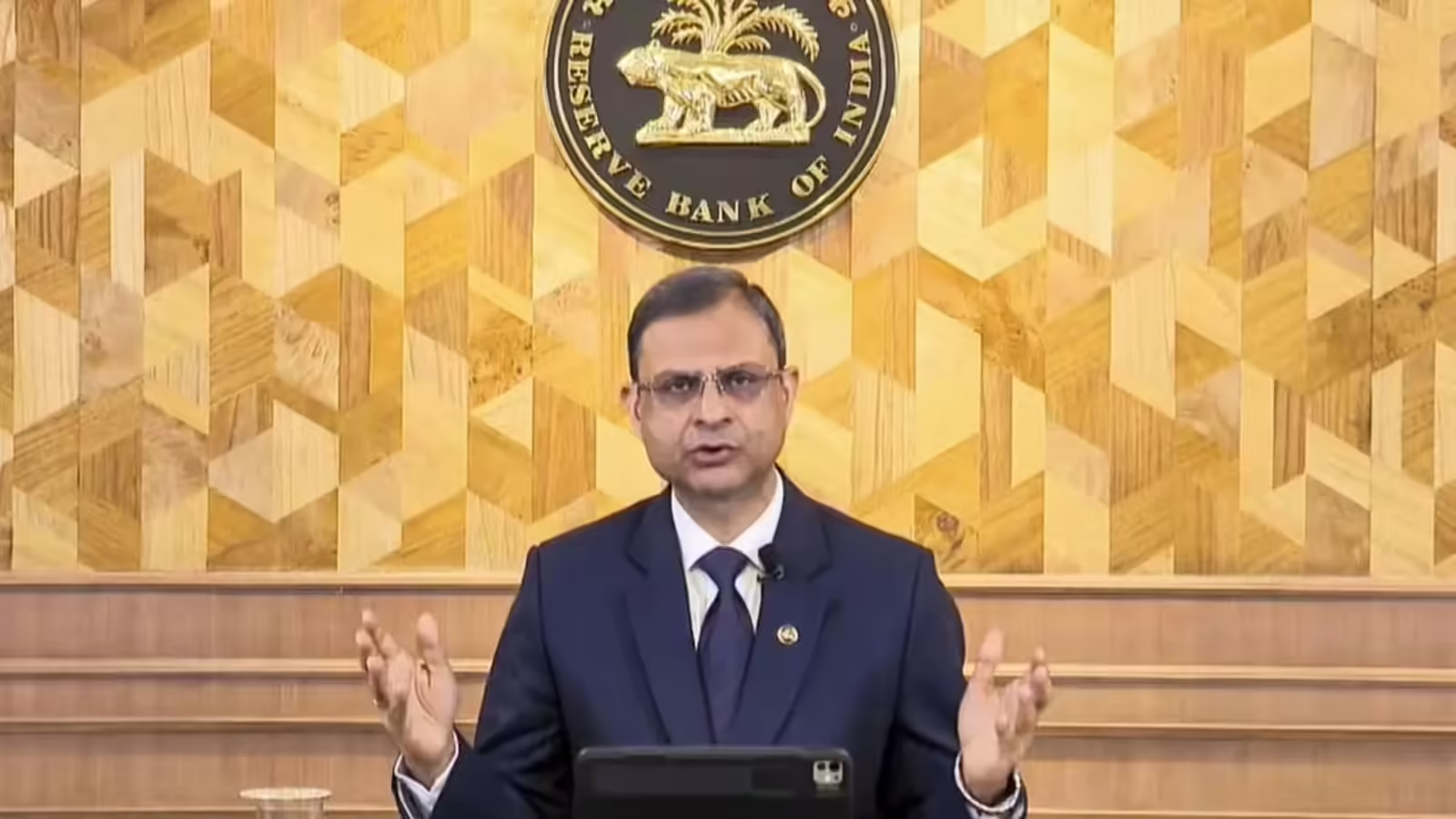
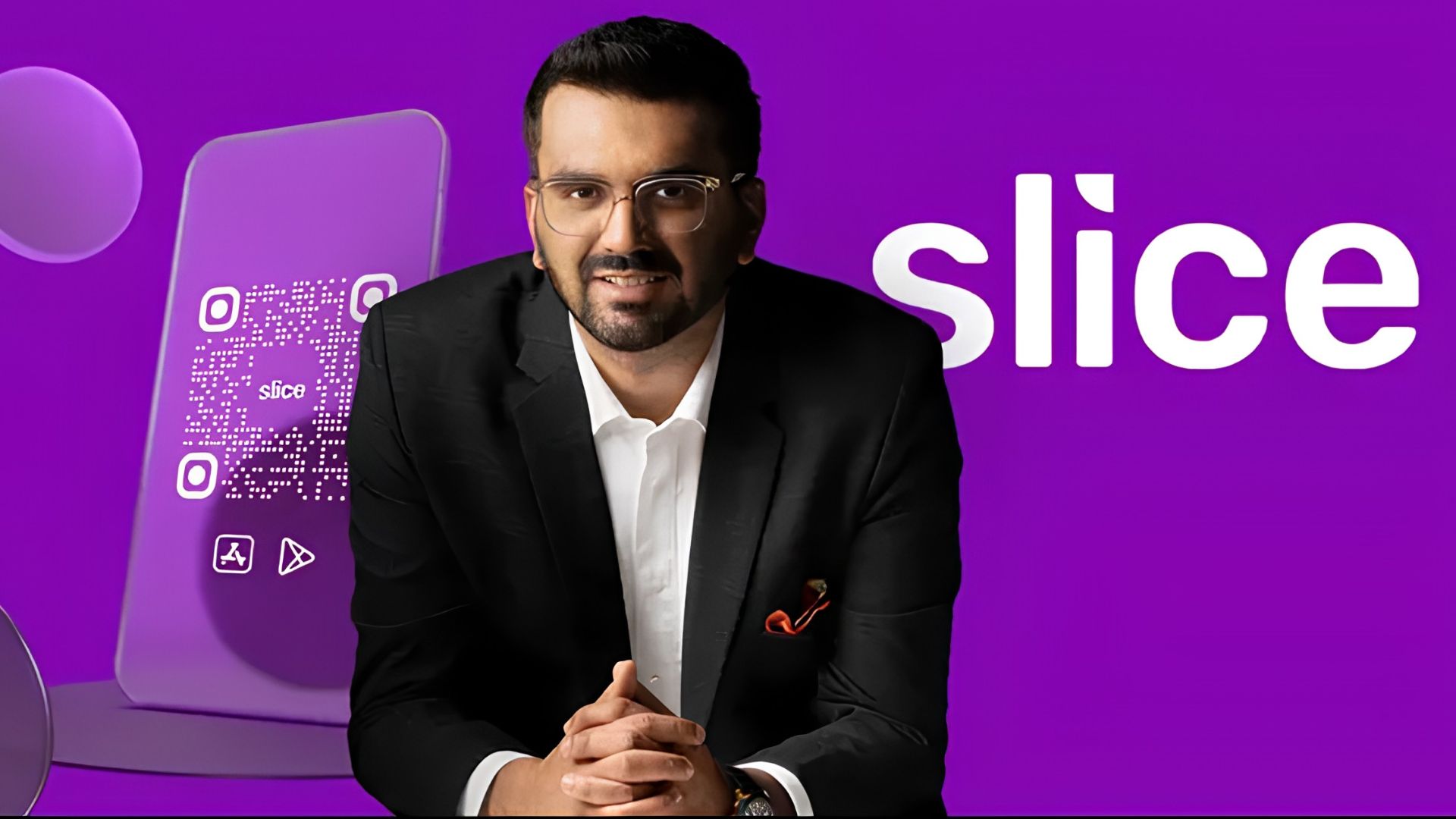
Slice’s return to profitability serves as a highly watched case study for the broader Indian fintech ecosystem. Founded by Rajan Bajaj in 2016, the startup scaled to a $1.3 billion unicorn status by offering slick, credit-backed prepaid cards tailored to millennials and Gen Z buyers. However, its core business architecture faced severe disruption in 2022 when the Reserve Bank of India (RBI) banned prepaid instruments from being loaded via active lines of credit.
While several peer neobanks and card platforms collapsed or pivoted to minor brokerage alternatives, Slice opted for a complex regulatory route, merging with the struggling NESFB to secure a full commercial banking license.
“This year marks a key turning point for us as we continue expanding access to credit and building the bank further,” a Slice spokesperson stated. “The business today is larger, leaner, and more resilient than it was at the time of the merger.”
Next Strategic Milestones: Fundraises and Valuation Resets
The positive fiscal print lands at a critical operational juncture. Slice is currently in late-stage discussions with a mix of domestic family offices and international institutional backers to close a fresh $50 million to $100 million funding round.
According to investment pitches reviewed by media outlets, the company is positioning itself to become an AI-driven digital banking juggernaut, drawing structural parallels to Brazil’s highly successful NuBank. However, in line with modern public market disciplines, the upcoming capital injection is expected to reflect a realistic macro valuation reset, likely pricing the bank just under the $1 billion mark compared to its previous private funding rounds.
With its assets under management (AUM) jumping over 75% to cross ₹4,554 crore this past March, the newly profitable entity is layout out multi-year foundations targeting a domestic Initial Public Offering (IPO) within the next three to four years.
Get the day’s top stories in your inbox
One concise email. No spam, unsubscribe anytime.