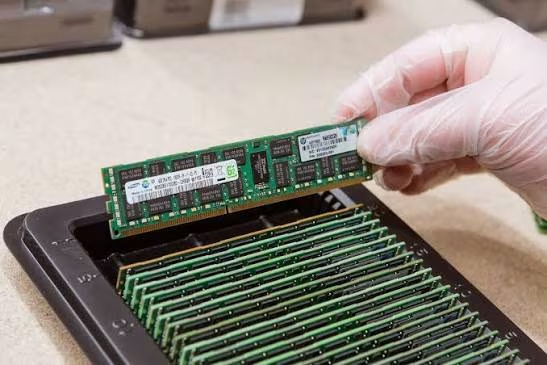
Samsung Electronics is executing its third consecutive quarter of aggressive price increases, targeting a maximum 20% hike in the average selling price (ASP) of its DRAM chips for Q3 2026.
The company has already begun verbally notifying major smartphone and PC manufacturing clients of the new contract rates. The hike follows an astonishing 90% surge in Q1 and an additional 50% to 60% jump in Q2, severely squeezing the margins of consumer electronics brands.
1. Why Memory Costs are Exploding
The persistent pricing pressure is a direct result of the global artificial intelligence boom rewriting traditional factory priorities:
- The AI Capacity Strain: Hyperscalers (such as Microsoft, Meta, and Google) are buying up specialized enterprise memory like High-Bandwidth Memory (HBM) and DDR5 at unprecedented scales. To meet this high-margin demand, Samsung and its peers have diverted a massive chunk of their raw silicon wafer capacity toward AI server production.
- The Consumer Bottleneck: Because server production eats up more wafer space, standard commodity DRAM and mobile memory components have been left in short supply.
- The Mobile Pinch Points: Integrated components like LPDDR5X chips—the high-speed memory standard used in modern flagship smartphones—are experiencing the worst supply bottlenecks. In fact, industry sources note that mobile-focused LPDDR hikes may exceed the baseline 20% mark in Q3 negotiations.
2. Market Projections vs. Samsung’s Target
While Samsung is aggressively pushing for the full 20% premium to capitalize on its massive market share, analysts think buyers will push back slightly to cap the damage.
| Metric / Tracker | Projected Q3 2026 Pricing Trend (QoQ) | Market Realities |
| Samsung Target (DRAM ASP) | Up to +20% | Leverages dominant position in commodity memory markets. |
| TrendForce Forecast | +13% to +18% | Factors in slowing retail demand from consumers feeling price fatigue. |
| NAND Flash Memory | +10% to +15% | Secondary storage costs are rising concurrently, though at a slightly slower clip. |
3. The Retail Trickle-Down: What Consumers Will Feel
For the average consumer, these multi-quarter supply-chain spikes are reaching a breaking point. Device manufacturers can no longer absorb the cost of memory doubling in under a year:
- Higher Retail Tags: Market tracking groups like IDC project average smartphone prices could climb by as much as 14% across major markets as brands like Apple, Lenovo, and Dell pass manufacturing premiums down to retail buyers.
- Spec Stagnation: To keep mid-range laptops and smartphones at manageable, budget-friendly retail price tiers, brands are actively freezing RAM capacities. Rather than upgrading baseline models to 16GB or 24GB, many manufacturers are keeping hardware configurations locked at lower tiers just to keep their shelves affordable.
Market analysts note that relief is far off. Because building out entirely new semiconductor fabrication facilities takes years, supply conditions are expected to remain tightly constrained, meaning a return to lower 2025 pricing levels is highly unlikely before 2027 or 2028.
Get the day’s top stories in your inbox
One concise email. No spam, unsubscribe anytime.