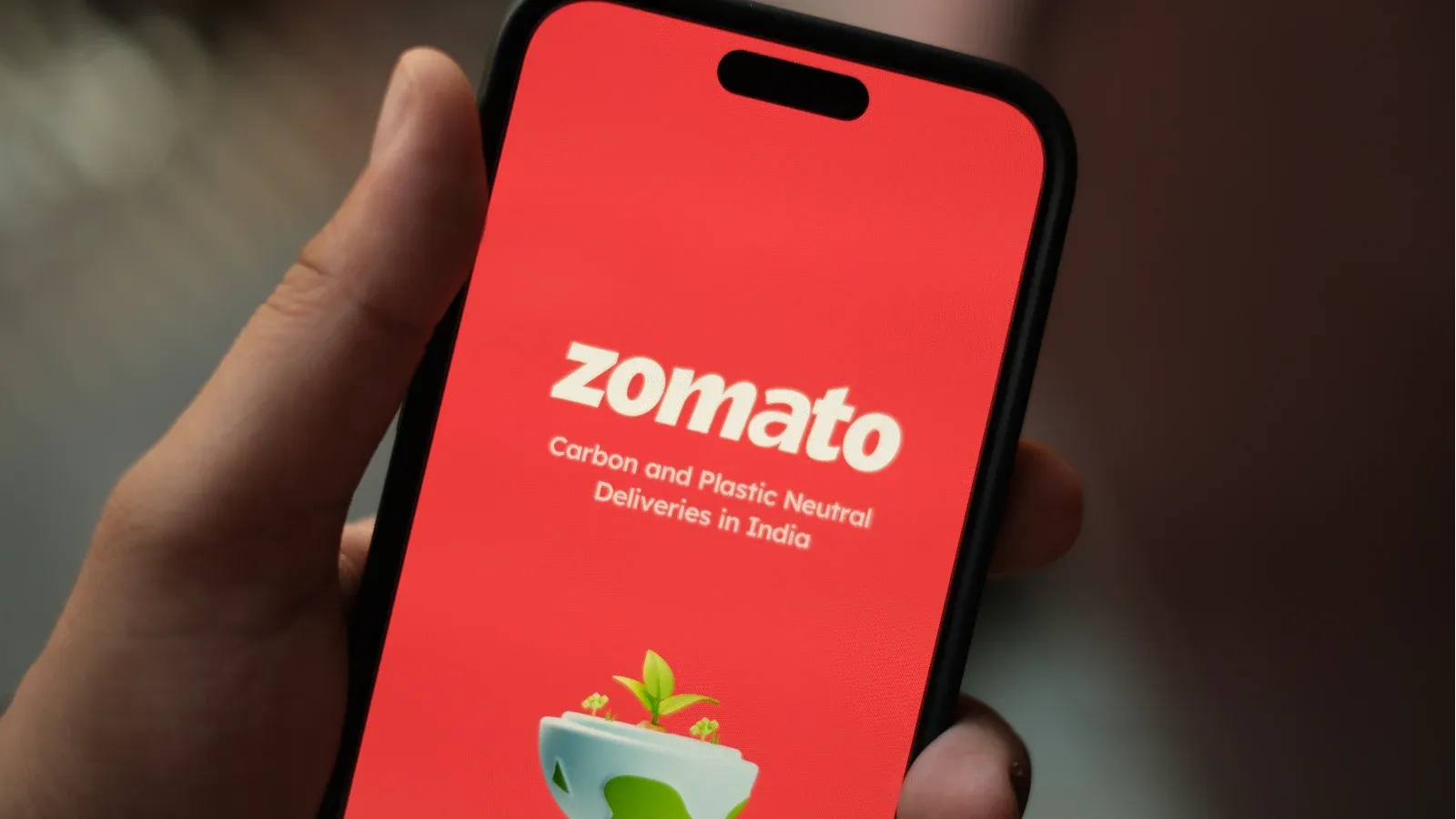
The National Restaurant Association of India (NRAI) has urged the Competition Commission of India (CCI) to direct Zomato to stop enforcing price-parity clauses and exclusivity conditions while the regulator’s long-running antitrust case remains pending. The restaurant body argues that Zomato should not be allowed to revive practices it had previously told the CCI it had discontinued, and has sought interim relief ahead of the next hearing scheduled for July 22.
The application is part of the ongoing antitrust investigation launched by the CCI in 2022 following complaints from the NRAI against Zomato and Swiggy. The case examines allegations including price-parity clauses, exclusivity agreements, cloud kitchen operations, and other contractual practices that the restaurant industry claims restrict competition.
NRAI Seeks Interim Relief Against Zomato
The restaurant association wants the competition regulator to prevent certain business practices while the investigation is still underway.
| Case Overview | Details |
|---|---|
| Regulator | Competition Commission of India (CCI) |
| Applicant | National Restaurant Association of India (NRAI) |
| Company | Zomato |
| Main demand | Stop enforcing price-parity and exclusivity clauses |
| Next CCI hearing | July 22, 2026 |
The NRAI has also requested that the CCI avoid granting further adjournments in the matter.
What Are Price-Parity Clauses?
Price-parity clauses generally require restaurants to offer the same or better prices on a delivery platform as they do through other sales channels.
According to the NRAI, such clauses can:
- Prevent restaurants from offering lower prices on their own websites.
- Restrict discounts through competing delivery platforms.
- Limit pricing flexibility.
- Reduce competition between online food delivery services.
The association argues these provisions discourage restaurants from competing independently on price.
Why the Restaurant Industry Objects
The NRAI contends that Zomato previously informed the CCI and the Director General that it had discontinued certain disputed practices.
The association argues that Zomato should therefore be directed to:
- Not reintroduce exclusivity agreements.
- Refrain from imposing wide price-parity clauses.
- Avoid penalizing restaurants for offering lower prices elsewhere.
- Maintain the practices it previously represented to the regulator.
These are the interim measures the NRAI is seeking while the CCI completes its proceedings.
Background of the Antitrust Investigation
| Investigation Timeline | Details |
|---|---|
| Complaint filed | By NRAI |
| CCI investigation ordered | 2022 |
| Companies involved | Zomato and Swiggy |
| Issues under review | Price parity, exclusivity, cloud kitchens, vertical restraints |
The CCI ordered an investigation after finding sufficient grounds to examine whether certain contractual arrangements could have an appreciable adverse effect on competition.
Director General’s Investigation
According to reports, the CCI’s investigation arm concluded that several contractual practices may violate competition law.
The reported findings relate to:
- Wide price-parity clauses.
- Exclusivity arrangements.
- Minimum business guarantees.
However, these are investigative findings and do not represent the CCI’s final decision. The Commission will make the final determination after considering submissions from all parties.
Why the Case Matters
The outcome could influence India’s online food delivery market.
Potential implications include:
- Greater pricing freedom for restaurants.
- Changes to platform contracts.
- Increased competition among food delivery apps.
- New regulatory standards for digital marketplaces.
- Greater scrutiny of platform business practices.
The decision may also affect how digital platforms structure agreements with business partners across other sectors.
Challenges Ahead
The CCI will need to balance several competing considerations.
These include:
- Preserving fair competition.
- Protecting consumer choice.
- Supporting innovation in digital platforms.
- Ensuring contractual fairness.
- Maintaining healthy marketplace competition.
The regulator’s final order could establish an important precedent for India’s platform economy.
Outlook
The NRAI’s latest application marks another significant step in one of India’s most closely watched competition cases involving digital platforms. By seeking interim relief, the association hopes to prevent Zomato from enforcing disputed contractual provisions while the CCI reaches its final decision. Meanwhile, the Commission has yet to rule on the merits of the case, and both the investigation’s findings and the NRAI’s allegations remain subject to the CCI’s final assessment.
The eventual decision could reshape contractual relationships between food delivery platforms and restaurants, particularly regarding pricing flexibility, exclusivity arrangements, and platform neutrality. It may also serve as an important benchmark for future competition regulation in India’s rapidly expanding digital economy.
What It Means for India’s Food Delivery Industry
The case underscores growing regulatory scrutiny of digital marketplaces that act as intermediaries between businesses and consumers. As food delivery platforms become increasingly important for restaurants, questions around pricing freedom, exclusivity, and competitive neutrality are likely to remain central to competition policy.
For restaurants, a ruling limiting price-parity clauses could provide greater flexibility to offer differentiated pricing across their own websites, offline outlets, and competing delivery platforms. For consumers, the outcome may influence pricing strategies, promotional offers, and competition among India’s leading food delivery services.
Get the day’s top stories in your inbox
One concise email. No spam, unsubscribe anytime.