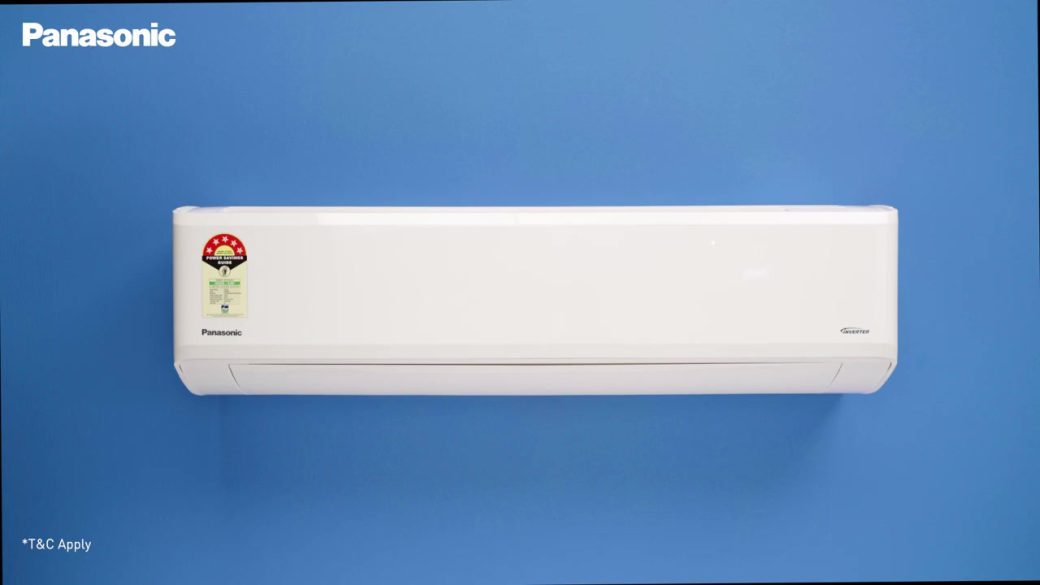
Panasonic AC growth is the big story here. Panasonic AC growth means the company’s air-conditioner business in India grew by 50% over the last year. That is a very fast jump. It shows how heat, bigger cities, and richer features are changing what many Indian homes want to buy.
Key takeaways
- Panasonic India says its AC business grew 50%.
- Hotter summers and premium models helped lift demand.
- The company is betting on smart features and wider retail reach.
- The jump matters because India’s AC market is still far from full.
Why is Panasonic AC growth getting attention?
Panasonic India said its air-conditioner business posted 50% growth, which stands out in a very crowded market. A crowded market means many brands fight for the same buyers. That kind of rise suggests Panasonic is not just selling more machines. It is also winning share from rivals.
The timing matters, too. India has seen long heat waves in recent years, so cooling is becoming less of a luxury in many places. A luxury is something nice to have, but not essential. For many families now, an AC feels closer to a need during peak summer.
Panasonic did not say in the source report exactly how many units it sold. Still, a 50% rise is easy to picture. If a business sold 100 ACs last year, it would sell 150 this year. That is the scale of the jump.
What is pushing Panasonic AC growth in India?
First, the weather is doing part of the work. India’s summers have become harsher, and more cities now face long spells above 40 degrees Celsius. That pushes families to buy cooling devices earlier in the season. It also makes people replace old units faster.
Second, buyers are moving up to better models. Panasonic has focused on smart ACs, inverter ACs, and bigger-capacity machines. An inverter AC changes its speed to save power. That matters because electricity bills worry almost every family.
Third, the company is pushing both online and offline sales. Offline means physical stores. Many shoppers still want to see an AC in person, ask about service, and compare noise levels before buying. But online sales also help, because discounts and easy finance can bring in first-time buyers.
Panasonic AC growth also reflects a wider trend in consumer durables. Consumer durables are long-lasting home products like ACs, TVs, and refrigerators. As incomes rise in urban India, more homes are willing to spend on comfort, not just basics.
Panasonic AC growth in IndiaIndexed example: last year = 100, this year = 150Last yearThis year100150+50%
How big is the chance in India’s AC market?
India is still an under-cooled country. That means many homes still do not own an AC. Industry estimates often suggest AC use in India is far below levels seen in richer countries, so the room to grow is huge.
That is why companies keep building dealer networks and service centres. A dealer network is a chain of sellers across cities and towns. Service centres matter just as much, because people worry about repairs, spare parts, and installation after the sale.
Here is the plain truth: a 50% jump is easier when the market itself is growing fast. But it is still impressive. Not every brand grows at the same speed, and not every brand gets noticed by buyers who want newer features.
| Measure | What it shows |
|---|---|
| 50% business growth | Panasonic sold far more AC business than a year earlier |
| 100 to 150 index | A simple way to picture the jump |
| 40°C+ summer days | Heat is making cooling demand stronger |
What does Panasonic AC growth mean for buyers?
More competition usually helps shoppers. If Panasonic grows fast, rivals are likely to answer with fresh launches, cash-back offers, and better service plans. A service plan is a paid support package for repairs and maintenance. That can make the market friendlier for buyers.
It also means premium features may spread faster into mid-price models. Features like app control, air filters, and energy-saving modes once sat mostly at the top end. Now brands often push them down to cheaper ranges because demand is getting wider.
Still, buyers should stay careful. A lower sticker price is only part of the story. Installation charges, copper pipe costs, and power use can add a lot later. So the smart move is to compare the full cost, not just the sale price.
For readers thinking about household budgets, our guide on loans against insurance policy explains one lesser-known way some families raise money in a pinch. For a broader view of how market rates can shift spending and borrowing, see our report on India 10-year bond yield falls as oil risk heats up.
How does this fit Panasonic’s bigger India plan?
Panasonic is not just selling boxes that cool rooms. It is trying to look like a premium home-tech brand. Premium means higher-end and more feature-rich. That is why it talks a lot about connected products, cleaner air, and lower power use.
This matters because India’s home market is changing. Families now compare ACs the way they compare phones. They ask about apps, sensors, filters, and design, not only cooling power. In that shift, companies that explain features well can move faster.
There is also a supply side to watch. Supply side means the making and delivery of goods. If demand stays strong through another hot season, brands will need enough stock, smooth logistics, and quick installs. If any of those fail, growth can slow fast.
You can read Panasonic India’s broader company details at the company’s India website. For climate context, the India Meteorological Department tracks heat conditions that often shape summer buying.
Could Panasonic AC growth keep going?
It could, but repeating 50% growth every year is hard. Once a business gets bigger, each extra jump takes more effort. A brand needs more stores, more service staff, and more repeat buyers. So even strong companies usually slow after a breakout year.
That said, the support factors are still there. Heat is not going away. Smaller cities are buying more appliances. And energy-saving products remain attractive because power bills stay a major concern.
Here is the most quotable way to put it: Panasonic AC growth shows that India’s cooling market is expanding fast, but the real winners will be brands that balance price, power savings, and reliable service. That is what turns a one-season spike into a long-term business.
The wider consumer story matters too. As we saw in our piece on Connected TV reach hits 160 million viewers in India, Indian households are upgrading home technology across categories. That helps explain why AC makers now talk about ecosystems, not just machines.
FAQs
What does Panasonic AC growth mean?
It means Panasonic India’s air-conditioner business grew 50% from a year earlier. In simple terms, it sold a lot more AC business than before.
Why are AC sales rising in India?
Sales are rising because summers are hotter, incomes are improving, and more buyers want power-saving models. Smart features also help brands stand out.
How should buyers choose an AC now?
Check cooling capacity, power use, warranty, and service reach. Also ask about installation and extra charges before you buy.
Get the day’s top stories in your inbox
One concise email. No spam, unsubscribe anytime.