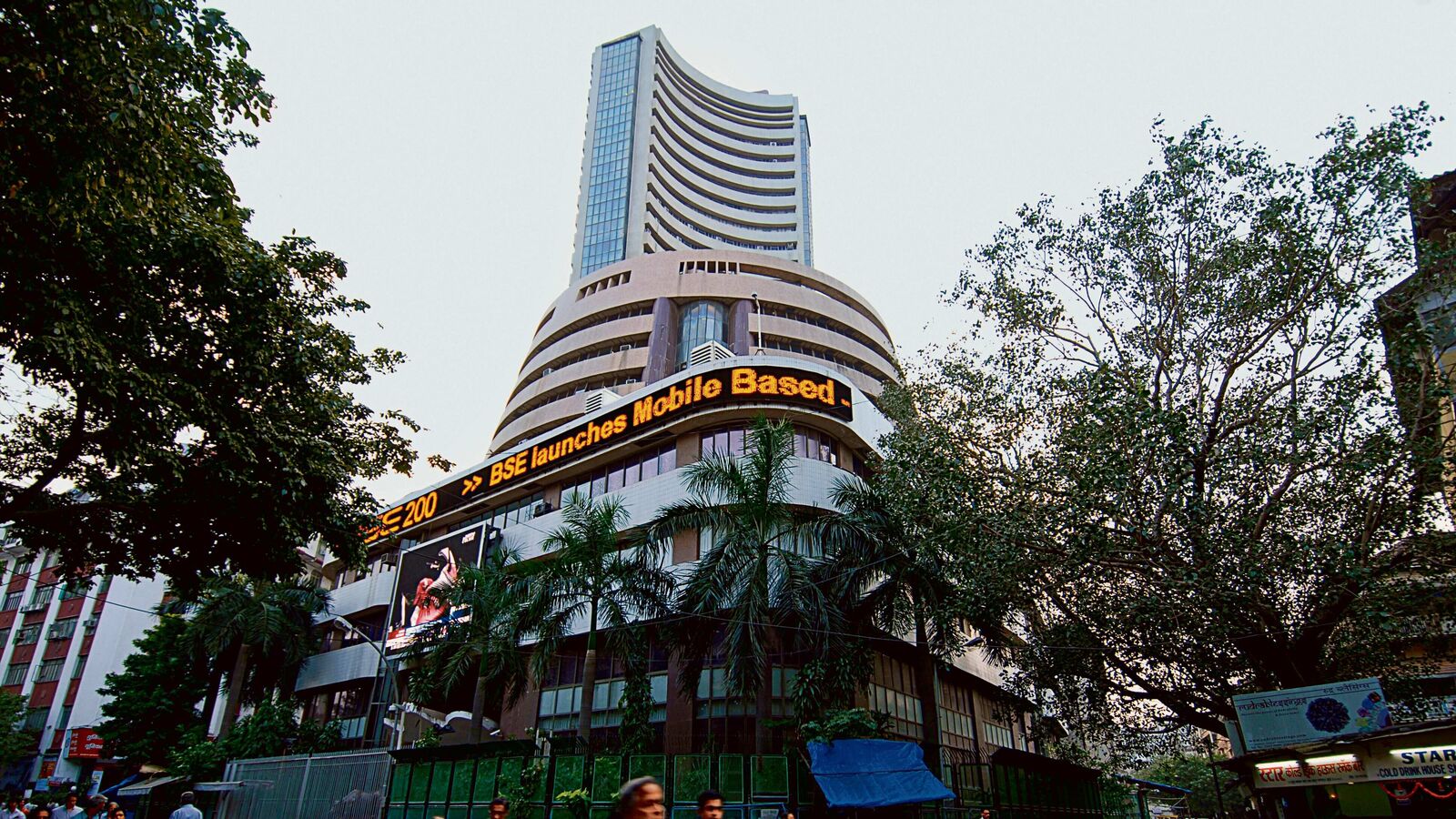
The National Stock Exchange of India (NSE) has approached the Reserve Bank of India (RBI) and the Securities and Exchange Board of India (SEBI) seeking approval to launch quanto cross-currency derivatives.
The strategic move is aimed at revitalizing India’s domestic currency derivatives market, which has suffered a massive decline in trading volumes over the last two years due to tightening regulatory frameworks.
1. The Volume Collapse: Why the NSE Needs a Lifeline
The proposal comes as a direct response to a steep drop in trading activity within the currency segment:
- The Regulatory Trigger: In early 2024, the RBI enforced a mandate requiring market participants to provide documentary proof of underlying foreign currency exposure to trade exchange-traded currency derivatives (ETCDs). This effectively barred speculative retail traders and non-hedgers from participating.
- The Drop in Numbers: Following the rule’s implementation, daily trading volumes on the NSE’s currency segment collapsed from ₹33,165 crore in March 2024 to approximately ₹5,000 crore by June 2026.
- BSE Outage: The impact was even more severe on the Bombay Stock Exchange (BSE), which has reported virtually zero turnover in its currency derivatives segment since January 2025.
2. How “Quanto” Derivatives Work
A quanto derivative (short for quantity-adjusting option/future) allows an investor to gain financial exposure to a foreign asset or currency pair, but with the payout settled entirely in a different, local currency at a fixed exchange rate.
Plaintext
[ THE QUANTO STRUCTURE MECHANISM ]

Underlying Asset: Global Currency Pairs (e.g., EUR/USD or GBP/USD)
       │
       ▼
Price Movement: Tracked internationally in foreign denominations
       │
       ▼
Settlement Engine: Automatically converts profits/losses to Indian Rupee (INR)
       │
       ▼
Investor Protection: Eliminates the underlying settlement exchange rate risk
For instance, an Indian trader could speculate on the price movement of the Euro-US Dollar (EUR/USD) or British Pound-US Dollar (GBP/USD) pair. While the underlying contract tracks those global shifts, the final settlement is paid out in Indian Rupees (INR). Because the exchange rate for settlement is pre-fixed, the trader is shielded from any sudden fluctuations in the Rupee’s value during the trade window.
3. Broader Product Diversification Plan
By introducing these non-rupee-based pairs, the NSE hopes to attract global institutional players, algorithmic traders, and domestic investors who want to trade major global macro trends without violating existing currency rules.
Alongside the currency push, the NSE is looking to expand its broader alternative product pipeline to hedge against changing market cycles, actively working on frameworks for thermal coal futures and interest rate derivatives tied directly to corporate bond indices.
Get the day’s top stories in your inbox
One concise email. No spam, unsubscribe anytime.