Kharif sowing acreage is the total farm area planted in the rainy season. This year, kharif sowing acreage is down about 6% from a year ago, even though farmers have covered roughly 60% of the normal area. That means planting is moving, but not fast enough in some states because rain has been patchy.
Key takeaways
- Kharif sowing acreage is about 6% lower than the same time last year.
- Farmers have planted around 60% of the normal rainy-season area so far.
- Uneven monsoon rain has slowed work in some regions, especially for rice and pulses.
- The next few weeks matter most, because late rain can still lift total planted area.
- Lower sowing now does not always mean lower harvest later, but it raises the risk.
Why is kharif sowing acreage lower this year?
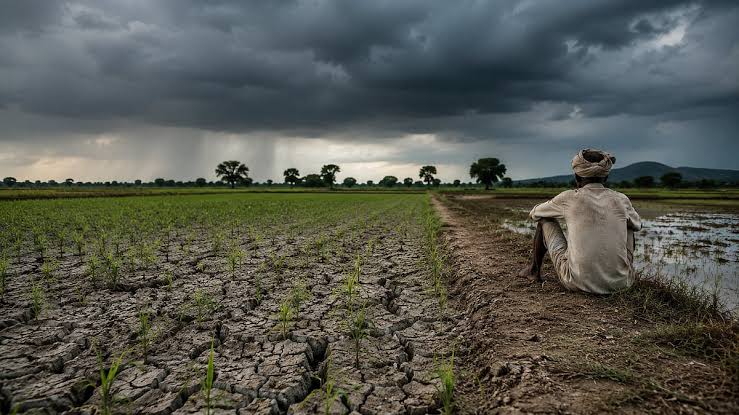
The main reason is uneven rain. Some districts got heavy showers, while others stayed dry for days. Farmers often wait for steady soil moisture before they plant, so patchy rain can delay sowing even if the national monsoon looks normal on paper.
Kharif crops are planted during the monsoon. These include rice, pulses, coarse cereals, cotton, sugarcane, and oilseeds. Oilseeds are crops like soybean and groundnut that give us edible oil. If the rain arrives late or stops too long, farmers may switch crops or cut the area they plant.
According to the latest official trend cited in the report, farmers have covered about 60% of the normal kharif area. Yet the total is still around 6% below last year. That gap shows a simple fact: sowing is happening, but last year it had moved faster by this point.
Which crops are feeling the most pressure?
Rice often draws the most attention because it is India’s main food grain. A food grain is a crop people eat every day. Rice planting depends heavily on standing water in many regions, so weak early rain can slow transplanting, which means moving young rice plants into wet fields.
Pulses and oilseeds also matter a lot. Pulses are protein-rich crops like tur and urad. Oilseeds include soybean, sesame, and groundnut. If these lag, shoppers may later feel it through higher food prices, especially for dal and cooking oil.
That said, the picture is not the same everywhere. Some states catch up quickly after one good rainy spell. A delay of one or two weeks can shrink if rain turns steady, so traders and officials usually watch weekly data rather than panic over one update.
Kharif sowing snapshotArea vs last yearNormal area covered-6%60%100%50%
What do the numbers say right now?
Here is the easy version. Total kharif sowing acreage is running 6% below the same point last year. Farmers have still planted around 60% of the normal seasonal area. So both things can be true at once: sowing is advancing, but it is behind last year’s pace.
A 6% drop may not sound huge at first. But on a giant farm base like India, even a single-digit change means a lot of land. Think of it like missing 6 pages from every 100-page book. You still have most of the book, but the gap is big enough to notice.
The next 2 to 4 weeks will be critical. Many kharif crops have a planting window, which means a best time to sow for good growth. If rain improves inside that window, total acreage can recover. If not, the shortfall may stay.
| Measure | Latest position | Why it matters |
|---|---|---|
| Kharif sowing acreage | About 6% below last year | Shows planting is behind pace |
| Normal area covered | About 60% | Shows sowing is still moving ahead |
| Key risk | Uneven monsoon | Can delay or reduce crop choices |
| Critical period | Next 2-4 weeks | Can decide whether states catch up |
Does lower kharif sowing acreage mean food prices will rise?
Not always. A lower kharif sowing acreage today does not guarantee a poor harvest later. Good rain in August, better seed use, and strong yields can still help. Yield means how much crop a farmer gets from a piece of land. High yields can partly offset lower area.
But the risk does rise. If rice, pulses, or oilseeds stay weak for too long, markets may react. Markets are places where crops are bought and sold. Traders start guessing future supply early, so prices can move before the harvest even arrives.
This matters for families and for the government. Food inflation means rising prices for things people eat. India has already kept a close eye on food costs, because items like vegetables, pulses, and edible oils can quickly hit home budgets.
For wider inflation and the rupee, farm output is only one part of the story. Oil prices and currency moves also matter. You can read our coverage of the RBI swap facility and why the rupee weakened as oil climbed for that bigger picture.
What happens next for farmers and the government?
Farmers will keep watching local rain, not just national forecasts. A forecast is a weather prediction. If their fields get enough moisture, many will speed up planting. If not, some may shift from water-hungry crops to hardier ones.
The government also tracks weekly progress closely. Officials compare current sowing with normal area and last year’s level. They also watch reservoirs, which are large water storage systems, and crop prices in wholesale markets.
If the gap remains wide, the pressure could spread to supply chains later. A supply chain is the route food takes from farm to shop. That can affect millers, traders, and finally consumers. For a look at how broader output shapes the economy, see our story on core infrastructure growth.
One clear takeaway stands out:
Kharif sowing acreage is down right now mainly because rainfall has been uneven, not because farmers stopped planting. If rain improves soon, a big part of the gap can still close before the main sowing window ends.
Where can readers track the official data?
The most reliable updates come from the Agriculture Ministry and the India Meteorological Department. The meteorological department is the government’s weather agency. Their weekly crop and rainfall updates help explain whether the slowdown is temporary or serious.
You can check the Ministry of Agriculture and Farmers Welfare for crop progress and the India Meteorological Department for monsoon updates. Those are primary sources, which means the information comes straight from official agencies.
FAQs
What is kharif sowing acreage?
Kharif sowing acreage is the total land farmers plant during the monsoon crop season. It covers crops like rice, pulses, cotton, and soybean.
Why is kharif sowing acreage down?
It is lower mainly because rainfall has been uneven. Many farmers wait for steady rain before planting, so dry breaks can slow sowing.
When can kharif sowing acreage recover?
It can recover over the next few weeks if rain improves. Many states can catch up quickly when fields get enough moisture at the right time.
Get the day’s top stories in your inbox
One concise email. No spam, unsubscribe anytime.