Key takeaways
- India signed 8.4 mtpa of long-term LNG contracts in 2025, according to GIIGNL.
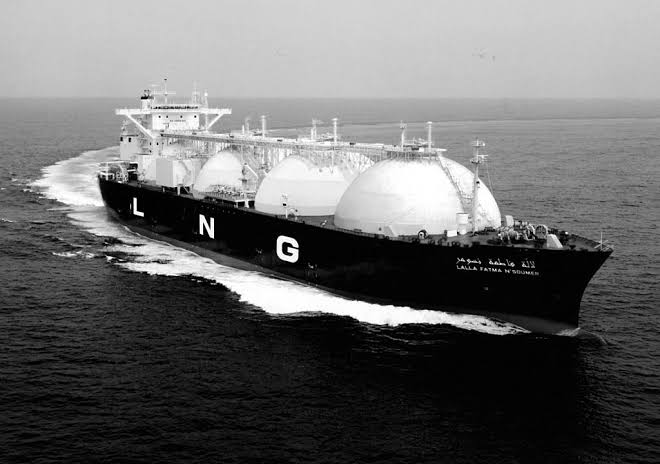
- LNG means liquefied natural gas, or natural gas cooled into a liquid so ships can carry it.
- Big fuel deals can help India lock in supply, but they also tie buyers to years of payments.
- More LNG can support power, fertiliser, and city gas use as India pushes cleaner fuel.
LNG contracts means long-term deals to buy liquefied natural gas, usually for years. India signed 8.4 mtpa of these deals in 2025, the GIIGNL data shows. That points to a bigger push for steadier gas supply. It also shows buyers want less risk from spot-market price swings.
Why are India’s LNG contracts getting bigger?
India uses more gas each year, but it still imports most of it. So buyers sign long contracts to make sure cargoes keep coming. These deals matter because gas can run factories, make fertiliser, and heat homes.
According to GIIGNL, the world signed about 28.5 mtpa of long-term LNG contracts in 2025, and India alone made up a large slice of that. mtpa means million tonnes per annum, which is just a yearly volume measure. India’s 8.4 mtpa is nearly one-third of that total.
That is a big number for one country. It shows Indian buyers are not waiting for the market to calm down. They are trying to lock in supply now, while gas demand is still rising.
2025 long-term LNG contractsIndia 8.4 mtpaGlobal 28.5 mtpa8.428.5
What does this mean for buyers and prices?
A long-term contract is a supply deal that usually lasts many years. Buyers like it because they can plan better. Sellers like it because it gives them a steady customer.
But there’s a trade-off. If market prices fall, a buyer may still have to pay the contract rate. If prices rise, the buyer may look smart for locking in earlier. That is why these deals can feel like insurance.
India has already been trying to build more gas demand across sectors. You can see that in other recent moves, like the push to ease fuel and supply stress in industry and households. For a wider look at energy buying trends, see our coverage of ethanol procurement and urea price relief.
| Item | Figure | What it means |
|---|---|---|
| India long-term LNG contracts | 8.4 mtpa | Annual gas volume tied up in deals |
| Global long-term LNG contracts | 28.5 mtpa | Total signed worldwide in 2025 |
| India’s share | About 29% | Rough share of global deal volume |
Why does this matter for India’s energy plan?
India wants cleaner fuel, but it still needs a lot more gas infrastructure. Pipelines, city gas networks, and import terminals all need fuel to work well. So long contracts can support the whole chain.
This also fits a bigger pattern. Indian firms and state buyers are trying to secure key inputs before demand grows faster. We’ve seen similar supply-side moves in other sectors, like crude oil imports and large-scale business expansion.
Here’s the simple version: more LNG contracts can mean fewer fuel shocks later. They do not make gas cheap by magic. But they can make supply more predictable, and that matters for a country as big as India.
India’s 8.4 mtpa of long-term LNG contracts in 2025 shows one clear thing: buyers want fuel security more than they want to gamble on short-term price moves.
What should readers watch next?
Watch for three things. First, whether more Indian buyers sign similar deals. Second, whether the contract prices look high or sensible versus spot LNG. Third, whether new terminals and pipelines can handle the extra gas.
If those pieces move together, India could use much more gas in the next few years. If they don’t, these contracts may still secure supply, but the wider gas push could stay slow.
FAQs
What are LNG contracts?
They are long-term deals to buy liquefied natural gas. The gas is cooled into liquid form so it can travel by ship.
Why did India sign 8.4 mtpa of LNG contracts?
India wants reliable fuel supply. Long deals help buyers plan better and reduce fear of sudden shortages.
Who benefits most from these deals?
Power plants, fertiliser makers, city gas firms, and large industries all benefit when gas supply is steadier.
Get the day’s top stories in your inbox
One concise email. No spam, unsubscribe anytime.