Key takeaways
- Sugar prices are at record highs because supply is tight and buyers still need the sweetener.
- India is one of the world’s biggest sugar makers, so even small crop swings can move prices fast.
- Higher sugar prices can raise costs for candy, drinks, biscuits, and home cooking.
- Traders and millers are watching weather, cane output, and government policy very closely.
Sugar prices are the cost of buying sugar in the market. They hit record highs in India because supply is tight and demand has not slowed much. That means mills, traders, and shoppers are all feeling the squeeze.
Here’s the simple version: when fewer bags of sugar reach the market, prices rise. And when factories and homes still need sugar, buyers pay more. That’s what’s happening now.
Why are sugar prices rising so fast?
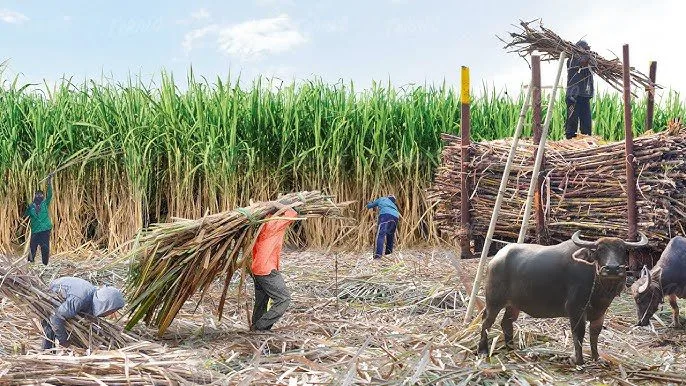
The main reason is supply concern. Sugar output depends on sugarcane harvests, factory recovery, and how much cane gets diverted for ethanol. Ethanol is fuel made from crops, and some cane can be used for that instead of sugar.
India’s sugar market is huge, so small changes matter. If mills crush less cane, the market feels it quickly. If stock levels fall, traders can start bidding up prices even more.
Weather also plays a big part. A weak monsoon, flood damage, or a dry spell can cut cane yields. That makes the next season less certain, so buyers often rush in early.
What does this mean for families and businesses?
For families, the first hit shows up in small things. A packet of sweets may cost a bit more. Tea stalls, bakeries, and snack makers may also pass on some of the extra cost.
For companies, sugar is a basic input. A biscuit maker that uses 1,000 kilos a week cannot just ignore a price jump. It must either absorb the cost or raise prices.
That is how a crop story turns into a grocery story. One crop issue can move many shelves.
Sugar market pressure
Normal supply
Tighter stocks
Record prices
What numbers matter most right now?
Three numbers matter most: cane output, sugar stocks, and demand from homes and industry. If supply falls below demand, prices climb. If the gap stays open for months, the rise can get sharper.
Here’s a quick look at how the pieces fit together.
| Factor | What it means | Price effect |
|---|---|---|
| Cane harvest | More cane means more sugar | Lower prices |
| Factory output | Mills turn cane into sugar | Higher output can cool prices |
| Demand | Homes and companies keep buying | Higher demand supports prices |
| Ethanol diversion | Some cane goes to fuel | Less sugar supply |
India produced more than 30 million tonnes of sugar in a strong year, so even a shift of a few million tonnes matters. A change like that can move market mood fast. In a tight year, traders watch every estimate like a weather report.
How does this link to the bigger food inflation picture?
Sugar is one of the simplest food items, but it connects to a big inflation story. Inflation means prices across the economy rise over time. When sugar gets expensive, it can add pressure to processed food prices too.
That matters because sugar sits in many daily items. Think of cold drinks, jams, cakes, and chocolates. If one ingredient gets costlier, the final product often follows.
India has also been balancing food supply with fuel needs. The government has pushed ethanol blending for cleaner fuel, so sugar policy now affects both kitchens and petrol tanks. That makes the market harder to predict.
“Sugar prices are rising because the market sees tighter supply, while demand for the sweetener stays steady.”
For more context on food-linked price moves, see our report on fertiliser costs and farm input relief. You can also compare this with India’s ethanol push, which changes how crops are used.
Primary sources can help readers track the broader picture. The Reserve Bank of India tracks inflation trends, and the Department of Food and Public Distribution publishes food supply policy updates.
What should readers watch next?
Watch the next cane crop, the weather, and any change in sugar policy. If output improves, prices can cool. If supply stays tight, the market may keep running hot.
One useful rule is simple: when supply is short and demand stays firm, prices usually rise. That’s the core story here. And right now, sugar prices are showing exactly that pressure.
FAQs
Why are sugar prices rising in India?
Because supply is tight while demand stays steady. That gap pushes buyers to pay more.
Who feels the impact first?
Food makers, tea stalls, bakeries, and households feel it early. They buy sugar every day, so price jumps show up fast.
What could cool sugar prices?
A better cane crop, stronger factory output, or more supply in the market could help. Easier supply usually eases prices.
Get the day’s top stories in your inbox
One concise email. No spam, unsubscribe anytime.