Key takeaways
- Ikea India sales plan aims to grow revenue about four times by 2030.
- The company wants more big stores, smaller city formats, and stronger online sales.
- India is a long-term market for Ikea because homes are changing fast and more families are spending on furniture.
- The big challenge is speed, since stores need land, permits, supply links, and local sourcing.
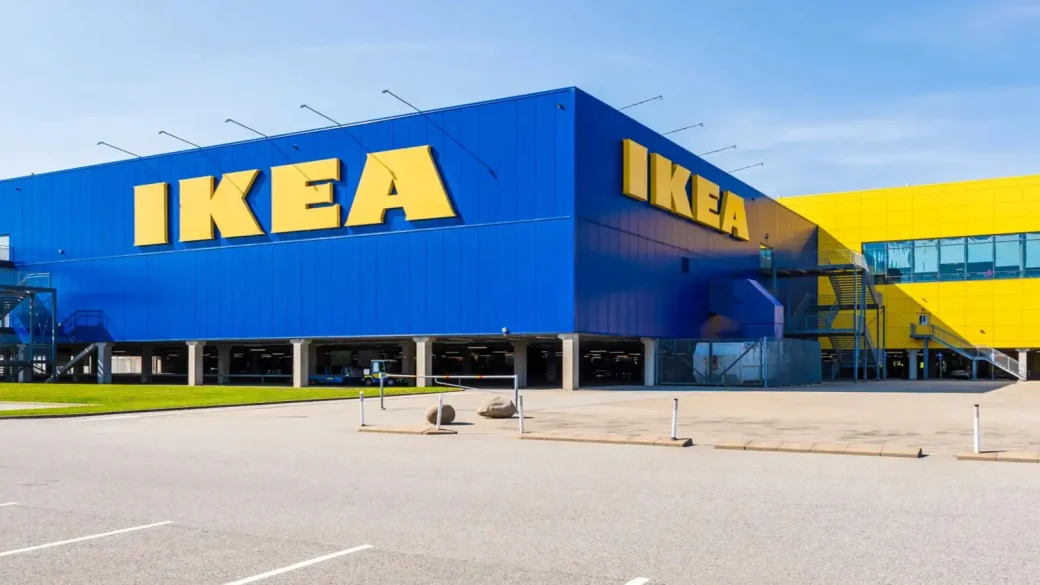
Ikea India sales plan is the company’s push to sell much more in India by 2030. It means Ikea wants to roughly quadruple its sales in the country. The idea depends on opening more stores faster. It also leans on online shopping and smaller shop formats.
Ikea India chief executive Patrik Antoni said the retailer expects much faster growth over the next five years. That matters because Ikea has moved slowly in India so far. It opened its first Indian store in Hyderabad in 2018, and it still has only a handful of large outlets. Now the company wants to change that pace.
Why is Ikea India speeding up now?
The timing makes sense because India’s home market is getting bigger. More families are moving to cities, and many want better storage, beds, sofas, and kitchen items. Young buyers also shop online more often, so Ikea can reach them without waiting for a giant store in every city.
India’s furniture and home goods market is huge, but much of it is still unorganised. Unorganised means lots of small local sellers, not large chains. Ikea sees room to win customers with fixed prices, flat-pack products, and a known brand. Flat-pack means furniture packed in boxes for easy transport and home assembly.
The company is also trying a mixed model. That means one brand uses different kinds of stores. Ikea already runs large blue-box stores, city stores, planning studios, and e-commerce. Planning studios are smaller places where shoppers design kitchens, wardrobes, or storage with staff help.
What does the Ikea India sales plan actually include?
The Ikea India sales plan rests on three main moves. First, open more full-size stores in major cities. Second, add smaller formats in dense urban areas. Third, grow digital sales so shoppers can order from places where Ikea has no large outlet yet.
That mix matters because India is too big for one style of expansion. A giant store can draw crowds, but it takes time and money. Smaller city stores can open faster. Online sales can spread even wider, especially when delivery networks improve.
Ikea has already tested this path in India. It launched a large store in Hyderabad, then stores in Navi Mumbai and Bengaluru. It also opened city formats and planning points. Meanwhile, it has expanded online access in several markets, which helps the brand build demand before a full store arrives.
Here is a simple look at the growth target:
Ikea India sales plan: simple target viewNow2030 target1x4x
The chart is simple on purpose. If current sales are one block, the 2030 goal is four blocks. That is a big jump. It means Ikea must do far more than just add one or two stores.
How big is the challenge?
It’s big, because retail expansion in India can be slow. Companies need land, construction, local permits, staff, and transport links. Permits are official approvals from government bodies. Even a global brand can’t skip those steps.
Ikea also needs products that fit Indian homes and budgets. A small apartment in Mumbai needs different furniture than a larger home in Europe. So the company has to design for local space, weather, cooking habits, and price points. That takes time, but it can also help sales grow faster.
Numbers show why the task is tough. Ikea entered India in 2018. By 2025, that is about seven years in the market. Yet it still has only a limited physical footprint in a country of more than 1.4 billion people.
Store economics matter too. Economics here means the money side of each outlet. A full-size store can cost a lot, but it can also pull in large footfall. Footfall means the number of visitors. Smaller stores cost less, though they may sell fewer big-ticket items on site.
What could help Ikea India hit the target?
Local sourcing could help a lot. Sourcing means where a company buys or makes products. If Ikea buys more from India, it may cut shipping costs and deliver faster. That also helps it avoid some global supply shocks.
The company has discussed India as both a consumer market and a sourcing base. That’s useful because one country can serve two jobs at once. It can sell goods to Indian shoppers and also make goods for wider supply chains. For a retailer, that can improve margins. Margins are the share of sales left after costs.
Digital growth should help as well. Many shoppers now browse furniture online before they visit a store. Some never visit at all. They compare sizes, read reviews, and order directly. That trend gives Ikea a wider catchment area. Catchment area means the region from which a store or site gets customers.
India’s wider consumer story supports the bet. For example, tax data has pointed to business activity staying firm in some areas, as seen in our report on net direct tax collections. Other consumer-linked sectors also show how price and demand shape spending, like our coverage of edible oil imports and cement prices.
How does Ikea compare with the wider retail market?
Ikea is unusual because it sells a full home idea, not just furniture pieces. A sofa may bring in a shopper, but the company also wants to sell shelves, lamps, cutlery, curtains, and storage boxes. That basket approach can lift revenue per customer. Basket means the total value of what a shopper buys in one go.
Still, Ikea faces strong competition. Local furniture shops know their neighbourhoods well. Online marketplaces also sell low-cost home goods. Some rivals offer faster delivery or custom sizes. Custom means made to fit a buyer’s exact need.
| Growth driver | Why it matters |
|---|---|
| More large stores | Builds brand visibility and handles high footfall |
| Smaller city formats | Enters dense areas faster and at lower cost |
| Online expansion | Reaches customers beyond store cities |
| Local sourcing | Can lower costs and improve supply speed |
One more factor matters: patience. Ikea often invests for the long term, not just the next quarter. That can work in India, where scale takes time. Readers can check Ikea’s global business background in its official business overview. India’s retail policy details are also available from the Department for Promotion of Industry and Internal Trade.
Why the Ikea India sales plan matters beyond one company
The Ikea India sales plan is really a test of modern retail in India. If a global home brand can scale faster here, it suggests Indian shoppers are ready for bigger organised chains in daily life. Organised chains are large, formal retail businesses with standard pricing and systems.
It also shows how retail is changing. The old model was simple: build one giant store and wait. The new model is mixed. Brands use big stores for experience, small stores for reach, and apps for convenience. As a result, expansion can become more flexible.
For shoppers, the payoff could be more choice and easier delivery. For suppliers, it could mean more factory orders. For cities, it may bring jobs in stores, logistics, and assembly. Logistics means moving goods from factories to homes.
Ikea wants to grow much faster in India by 2030, and the plan is simple to say but hard to do: open more stores, go deeper online, and make products that fit Indian homes and budgets.
FAQs
What is the Ikea India sales plan?
It is Ikea’s goal to increase its India sales about four times by 2030 through more stores, smaller formats, and online growth.
Why is Ikea focusing on smaller stores too?
Smaller stores can enter crowded city areas faster. They also cost less than giant outlets and help shoppers plan purchases nearby.
How many times does Ikea want to grow in India by 2030?
The target is roughly 4x, or four times current sales, according to the company’s stated growth ambition.
Get the day’s top stories in your inbox
One concise email. No spam, unsubscribe anytime.