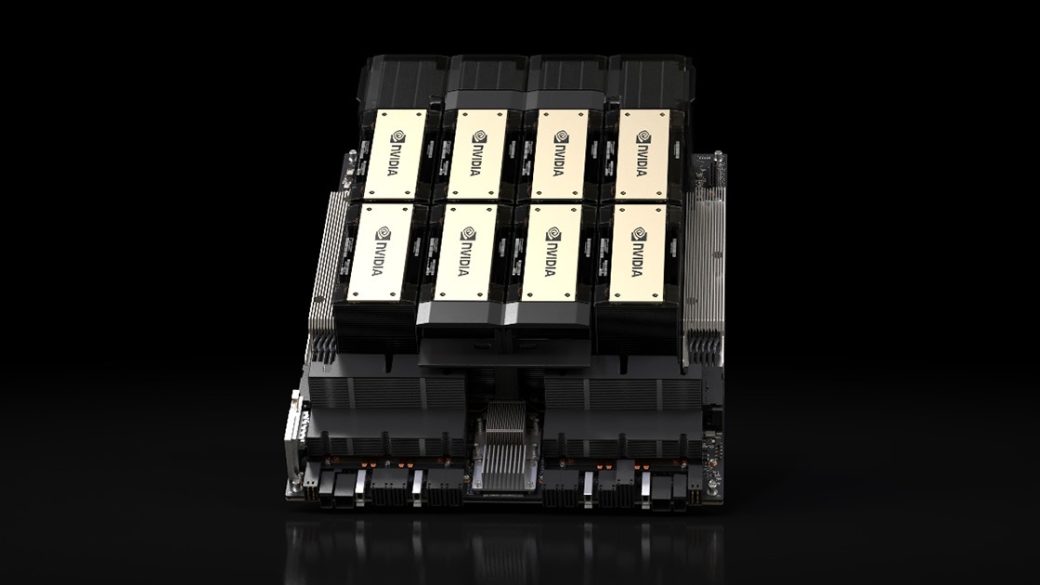
Nvidia H200 China shipments have begun, according to a senior U.S. official. Nvidia H200 China shipments means the company has started sending one of its strongest AI chips to customers in China. That’s a big deal because the U.S. had tightened chip rules for years. Now the policy looks a bit softer.
Key takeaways
- U.S. officials said Nvidia has started shipping H200 AI chips to China.
- The H200 is a high-end AI chip. AI chips are special computer parts built for training and running smart software.
- The move hints at a shift in U.S. export controls. Export controls are government rules on what firms can sell abroad.
- China matters a lot for Nvidia, but Washington still wants limits on the most sensitive tech.
Why are Nvidia H200 China shipments such big news?
The news matters because chips sit at the heart of the AI race. Companies use them to train chatbots, search tools, robots, and defense systems. So when the U.S. lets a powerful chip move to China, people notice fast.
For years, Washington tried to slow China’s access to top AI chips. U.S. leaders said advanced semiconductors could help the Chinese military. Semiconductors are tiny electronic parts that power phones, servers, and cars. As a result, Nvidia had to redesign some products for China or stop sales.
The H200 is not a basic chip. It is part of Nvidia’s Hopper family, which many cloud firms and labs use for heavy AI work. Heavy AI work means training large models on huge piles of data. That is why Nvidia H200 China shipments could change buying plans for Chinese tech groups.
What did the U.S. official say?
Reuters reported that a senior U.S. official said Nvidia had begun shipping H200 chips to China. The statement matters because it came from the U.S. side, not just from market rumor. You can read more from Reuters and official export rule details from the U.S. Bureau of Industry and Security.
The report did not turn into a full policy speech. But the signal was clear. The government appears willing to allow some powerful chip sales again, while still keeping tighter limits on the very highest-end gear.
That balance is tricky because U.S. officials have two goals. They want American companies to keep earning money. But they also want to protect national security, which means stopping technology they see as too sensitive.
How powerful is the H200, and where does it fit?
The H200 is stronger than older Nvidia products used in many AI data centers. A data center is a large building full of computers. It is built to store data and run online services. The H200 is known for faster memory, which helps with giant AI models.
One key figure helps explain the jump. Nvidia has said H200 offers 141 gigabytes of HBM3e memory. Memory is the chip’s fast workspace. That is far above many older accelerators, so it can handle bigger tasks with less delay.
Another figure matters too. Nvidia has priced H200 systems at levels that can run into tens of thousands of dollars per chip, depending on the server setup. Exact sale prices vary by buyer, support, and volume. Even so, one large order can be worth millions.
AI chip memory comparison80 GB141 GBH100H200
The chart shows one simple point. The H200 has 141 GB of memory, while the H100 commonly has 80 GB. More memory often means fewer bottlenecks, so AI jobs can run faster or use larger models.
What could Nvidia H200 China shipments mean for Nvidia?
China has been an important market for Nvidia, even after restrictions. When rules got tighter, Nvidia risked losing customers to local rivals like Huawei. So Nvidia H200 China shipments may help the company protect market share.
Market share is the slice of sales a company holds in a market. If Nvidia keeps that slice, it keeps influence too. That matters because software tools, not just chips, help lock in customers.
Nvidia also wants to avoid dead space in its product line. If one major market stays closed, rivals get time to catch up. Meanwhile, Chinese firms keep building their own AI chips, though many still trail Nvidia in software and ecosystem strength.
This is also part of a bigger chip story. Investors have watched every shift in AI demand, from cloud spending to factory output. For a wider look at the boom, our coverage of AI demand needing $5 trillion a year shows how huge the money race has become.
What does this mean for China and the AI race?
Chinese companies want advanced chips for cloud services, research, and product launches. Cloud services are rented computing power over the internet. Without enough fast chips, firms must wait longer, pay more, or use weaker tools.
If Nvidia H200 China shipments keep flowing, Chinese groups could speed up some AI projects. That does not mean China gets everything it wants. The toughest U.S. rules may still block the most cutting-edge products and some large-scale deals.
Still, even a partial opening matters. A few thousand chips can power major data centers. For example, a 10,000-chip cluster can support serious AI training, though power, cooling, and software also matter.
| Item | What it means | Why it matters |
|---|---|---|
| H200 chip | High-end Nvidia AI processor | Runs large AI jobs faster |
| Export controls | U.S. rules on foreign sales | Can block or allow shipments |
| China market | Major buyer of data center chips | Important for Nvidia revenue |
Is U.S. policy changing more broadly?
Maybe, but it is too early to call this a full reset. U.S. policy on China tech has moved back and forth, often with small rule changes that carry huge effects. One license decision can shape billions of dollars in trade.
A license is official permission to sell a controlled product. The government can grant it, limit it, or deny it. So the real story is not just one shipment. It is whether more approvals follow.
That question matters beyond Nvidia. AMD, Intel, cloud providers, and server makers all watch these rules. The same goes for logistics firms and financing groups that support tech trade. Our report on Delhivery’s NBFC licence shows how regulation can open new business lanes when approvals arrive.
There is also a larger rivalry behind this. The U.S. wants to stay ahead in AI and chip design. China wants to cut its dependence on foreign technology. So each export move becomes part business story, part strategy story.
What should readers watch next?
First, watch for more official comments from Washington and Nvidia. If both sides confirm wider approvals, markets may treat this as a clear easing step. If not, the opening could stay narrow.
Second, watch Chinese buyers. Big orders from cloud firms or state-linked groups would show real demand. Those deals could involve hundreds or thousands of chips, which would quickly add up.
Third, watch rivals. If local Chinese chip makers lose orders, they may push harder on lower prices. But if U.S. rules tighten again, they could gain new room to grow.
Nvidia H200 China shipments matter because they show the U.S. may allow some powerful AI chips back into China, even while broader tech tensions remain in place.
FAQs
What is the H200 chip?
The H200 is a high-end Nvidia AI chip. It is built for big data center tasks like training large AI models.
Why are Nvidia H200 China shipments important?
They matter because China is a huge tech market. They also hint that U.S. export rules may be easing a bit.
Who decides if these chips can be sold?
The U.S. government does. It uses export control rules and licenses to approve or block sensitive technology sales.
When will we know if this is a bigger policy shift?
We will know more if more licenses are approved soon. Watch for official statements, company filings, and large customer orders.
Get the day’s top stories in your inbox
One concise email. No spam, unsubscribe anytime.