Key takeaways
- Indian Gas Exchange IPO means IGX has filed draft papers to sell shares to the public.
- IEX, its parent, may cut its stake after the listing, subject to rules and approvals.
- IGX runs a marketplace where buyers and sellers trade natural gas in India.
- The move matters because India wants cleaner fuel use and deeper energy markets.
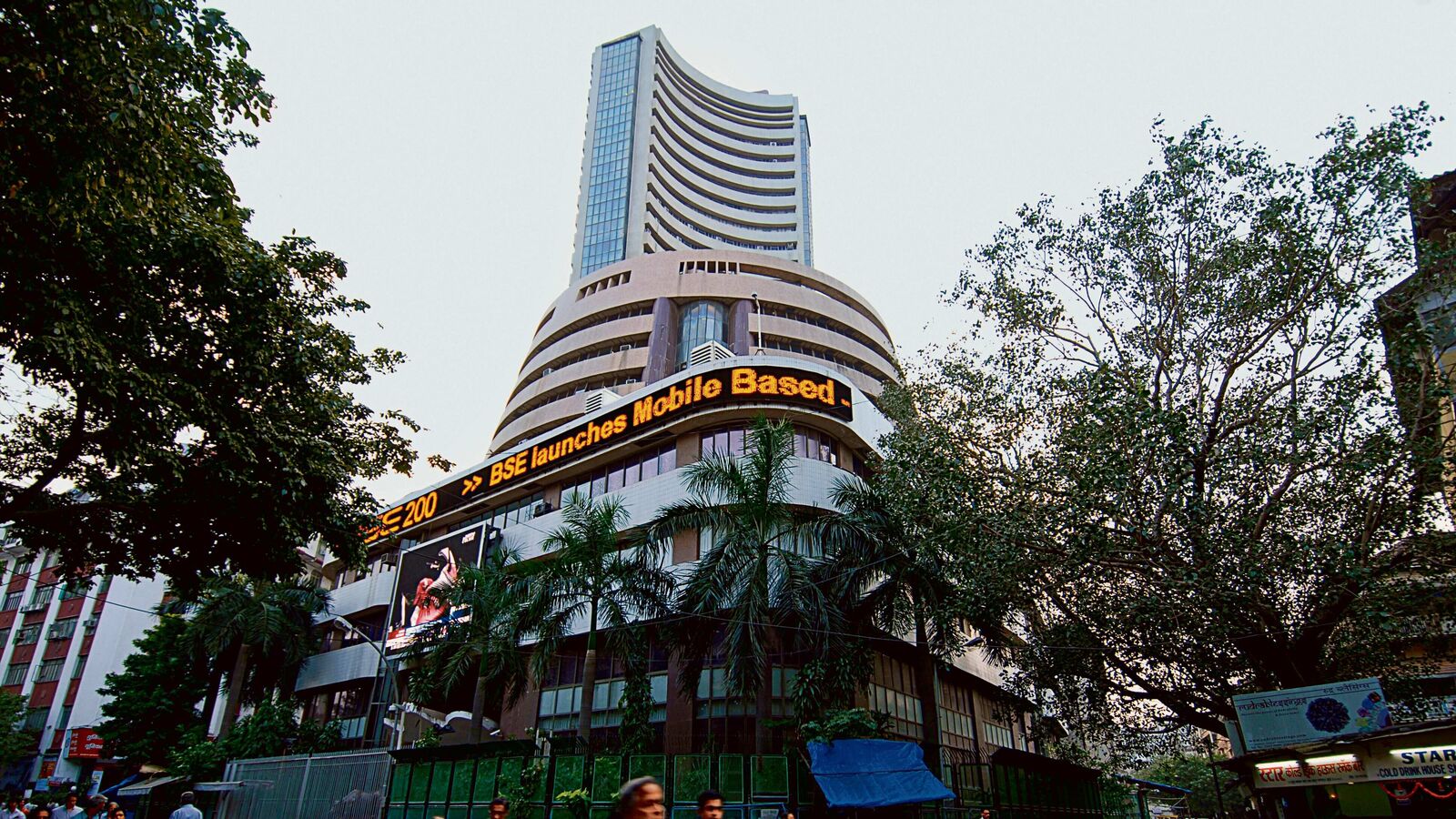
Indian Gas Exchange IPO is the plan to list IGX on the stock market. That means regular investors may one day buy its shares. IGX has filed draft papers, and parent company IEX may reduce its holding later. The filing points to a new chapter for India’s young gas trading market.
IGX is a gas exchange. A gas exchange is a digital market where companies buy and sell natural gas. Think of it like an online bazaar, but for fuel instead of shoes or phones. Buyers can compare prices, place bids, and choose delivery points.
What is the Indian Gas Exchange IPO about?
The Indian Gas Exchange IPO starts with draft papers filed for a public offering. An IPO is an initial public offering. That is the first sale of a company’s shares to public investors. Reuters reported the move on July 14, saying IEX expects to pare, or reduce, its stake after listing.
IEX stands for Indian Energy Exchange. It is best known for power trading, where electricity buyers and sellers meet. IGX is its gas-focused arm, so the filing shows IEX wants to unlock value in a separate business. Companies often do this when a unit has its own growth story.
The exact issue size, price band, and timing were not final in the Reuters report. That matters because IPOs can change before launch. Market conditions, regulator comments, and investor demand can all shift the final plan.
Why does Indian Gas Exchange IPO matter for India?
The Indian Gas Exchange IPO matters because natural gas is a key bridge fuel. A bridge fuel is an energy source used while countries move from dirtier fuels to cleaner ones. Gas still creates emissions, but usually less than coal when burned.
India has said it wants a bigger share of natural gas in its energy mix. That goal needs more pipelines, more supply points, and better price discovery. Price discovery means finding a fair market price through real trades. A gas exchange can help with that because many buyers and sellers meet in one place.
IGX also helps make prices more visible. If more gas gets traded openly, buyers may rely less on private deals. Private deals are contracts made directly between two sides. Open markets can improve trust, though only if enough volume comes in.
Indian Gas Exchange IPO matters because it could bring more attention, money, and scrutiny to India’s gas marketplace at a time when the country wants cleaner fuel and clearer prices.
How does IGX actually make money?
IGX does not produce gas. It runs the platform where trading happens. In simple terms, it earns fees when users trade contracts on its exchange. A contract is a formal trade agreement with clear terms on price, quantity, and delivery.
Its growth depends on volume. Volume means how much gas gets traded on the platform. If more companies use IGX, fee income can rise. But if supply gets tight, volumes can shrink, so earnings may wobble.
That link is important right now. We recently explained how natural gas supply curbs could squeeze India users. If gas availability stays uneven, exchange growth may face bumps even with a fresh IPO story.
What numbers tell the story?
Reuters said the filing came on July 14, 2026. It also said IEX may reduce its stake after listing. One date does not sound like much, but in markets timing matters. IPO windows can open fast and close fast.
India has long talked about raising natural gas use to 15% of the energy mix, from about 6% to 7% in recent years. That target shows why an exchange like IGX draws attention. The gap is large, so growth could be real if supply and pipelines improve.
In an IPO, even a small shift in ownership can matter. For example, if a parent cuts its stake from 100% to 75%, outside investors then own one quarter of the company. That can improve price discovery in the stock too, because more shares trade freely.
India gas share: current vs target~6-7%15%Recent sharePolicy goal
Here is a simple snapshot of what this filing means:
| Item | What it means |
|---|---|
| Company | Indian Gas Exchange, or IGX |
| Parent | Indian Energy Exchange, or IEX |
| Action | Draft IPO papers filed |
| Possible next step | IEX may pare stake after listing |
| Bigger theme | More market-based gas trading in India |
Will this change gas prices for homes and factories?
Not right away. The Indian Gas Exchange IPO is about the company’s shares, not a direct price cut on gas bills. But over time, stronger exchange trading could help users see clearer prices. Clearer prices can help factories plan costs better.
Still, India’s gas market has other moving parts. Supply rules, imported fuel prices, and pipeline access all matter too. Imported LNG, or liquefied natural gas, is gas cooled into liquid form for shipping. If global LNG prices jump, local markets will feel it.
That is why this story fits a wider energy picture. For another part of that picture, see our report on Iran oil exports continuing after the US waiver exit. Oil and gas are different fuels, but both shape energy costs and investor mood.
What should investors watch next?
First, watch the draft red herring prospectus. That is the long IPO document with risks, financial details, and share sale plans. It usually tells investors how the company earns money, who owns it, and what could go wrong.
Second, look at trading volumes and member growth. More users and more contracts can show whether the platform is becoming useful at scale. Scale means a business gets stronger as more people use it. Exchanges often need scale because thin trading can scare users away.
Third, pay attention to policy. Gas markets depend a lot on regulation, pipeline access, and fuel allocation. Allocation means the government decides who gets limited supply first. If those rules change, IGX’s growth path can change too.
You may also want to read official market disclosures from IEX and filings with SEBI. SEBI is India’s market regulator. It checks whether listed companies follow market rules.
For wider market context, our coverage of net direct tax collections rising shows how broader economic activity can support investor appetite. Stronger tax collections do not guarantee IPO success, but they can signal healthy business activity.
Could the listing help IEX too?
Yes, it could. If investors give IGX a healthy valuation, or market worth, that may shine a light on the value inside IEX. A valuation is what the market thinks a company is worth. Sometimes a separate listing makes that easier to see.
But it can cut both ways. If IGX lists into weak demand, investors may ask harder questions about growth and profitability. Profitability means whether a company earns more than it spends. That is especially true for exchange businesses, because liquidity can take years to build.
So this is not a simple victory lap. It is a serious test of whether India’s gas exchange idea has grown up enough for public markets.
FAQs
What is Indian Gas Exchange IPO?
It is IGX’s plan to sell shares to the public for the first time. The company has filed draft papers to begin that process.
Why does IEX want to pare its stake?
IEX may want to unlock value and bring in outside investors. It can also give IGX a more independent market identity.
How is IGX different from IEX?
IEX mainly runs electricity trading markets. IGX focuses on natural gas trading through its own exchange platform.
When could investors buy the shares?
There is no final public date yet in the Reuters report. Investors need to wait for updated filings, approvals, and offer details.
Get the day’s top stories in your inbox
One concise email. No spam, unsubscribe anytime.