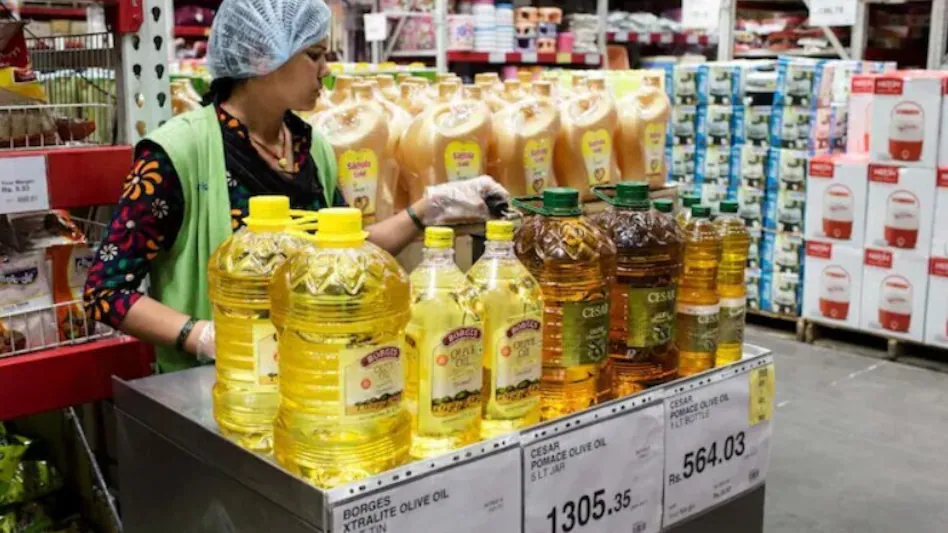
In a targeted regulatory intervention aimed at eliminating sneaky retail tactics and protecting consumer wallets, the Government of India is actively preparing to mandate fixed, standardised pack sizes for major edible oils.
The Department of Consumer Affairs is evaluating amendments under the Legal Metrology framework to roll back packaging relaxations that have allowed grocery shelves to become flooded with highly irregular quantities. The policy overhaul follows critical consultations chaired by Consumer Affairs Secretary Nidhi Khare alongside major industry associations representing approximately 90% of India’s vegetable oil market.
The Crackdown on “Shrinkflation” and Price Manipulation
The timing of this intervention addresses a severe structural loophole. Back on January 1, 2023, the government relaxed strict packaging restrictions to give manufacturers the flexibility to absorb volatile commodity input costs without triggering public shock over sudden MRP hikes.
Instead of raising prices, brands leaned heavily into shrinkflation—quietly shrinking the contents of identical-looking bottles. Industry representatives from bodies like the Soyabean Processors Association of India (SOPA) pointed out that cooking oils are currently routinely sold in confusing quantities such as 650g, 700g, 810g, 850g, and 870g.
Because these reverse-engineered packages look visually identical on a grocery shelf, consumers are effectively blocked from making quick, apples-to-apples price comparisons. The multi-size proliferation has effectively crossed the threshold from helpful market segmentation into deliberate consumer deception.
The Proposed Nine Standard Sizes
To clean up retail channels, the Department of Consumer Affairs and key stakeholders have reached a consensus to restrict major edible oils to nine rigid standard pack sizes:
- Small & Weekly Household Segments: 200 ml, 500 ml, and 1 Litre.
- Middle-Income Monthly Segments: 2 Litres, 3 Litres, 4 Litres, and 5 Litres.
- Bulk & Commercial Segments: 15 Litres (or 15 kg) and 20 Litres (or 20 kg) to supply dhabas, sweet shops, and the broader restaurant sector.
Which Oils are Covered?
The standardization parameters apply universally to ten core varieties, whether they are produced domestically or imported from global trade loops:
- Palm Oil / Palm Olein
- Soybean Oil
- Sunflower Oil
- Mustard / Rapeseed Oil
- Groundnut Oil
- Sesame Oil
- Rice Bran Oil
- Cottonseed Oil
- Corn Oil
- Blended Edible Oils
Targeted Exemptions and the Transition Runway
To ensure the policy remains practical and balanced, the regulatory framework integrates key structural exemptions:
- The Sachet Economy Intact: Packages below 200 ml will continue to remain entirely outside the scope of standardization. This critical carve-out ensures that the affordable ₹10 and ₹20 single-use sachets remain completely accessible for low-income households and local kirana stores.
- Niche Exclusions: Premium, minor edible oils that are consumed in small quantities—such as cold-pressed coconut, almond, and walnut oils—are exempt from the rigid size mandates.
- A 3-Month Grace Window: Manufacturers will be granted a three-month transition runway once the rules are officially notified. This allows packaging plants to use up existing inventories of non-standard plastic and tin materials, insulating companies from sudden balance-sheet waste while protecting the ecosystem from immediate supply shocks.
By moving away from voluntary disclosures and leveraging the enforcement mechanics of the Legal Metrology Act, the government is betting that a uniform, structured shelf environment will instantly restore pricing transparency to one of the most critical daily discretionary food segments in the country.
Get the day’s top stories in your inbox
One concise email. No spam, unsubscribe anytime.