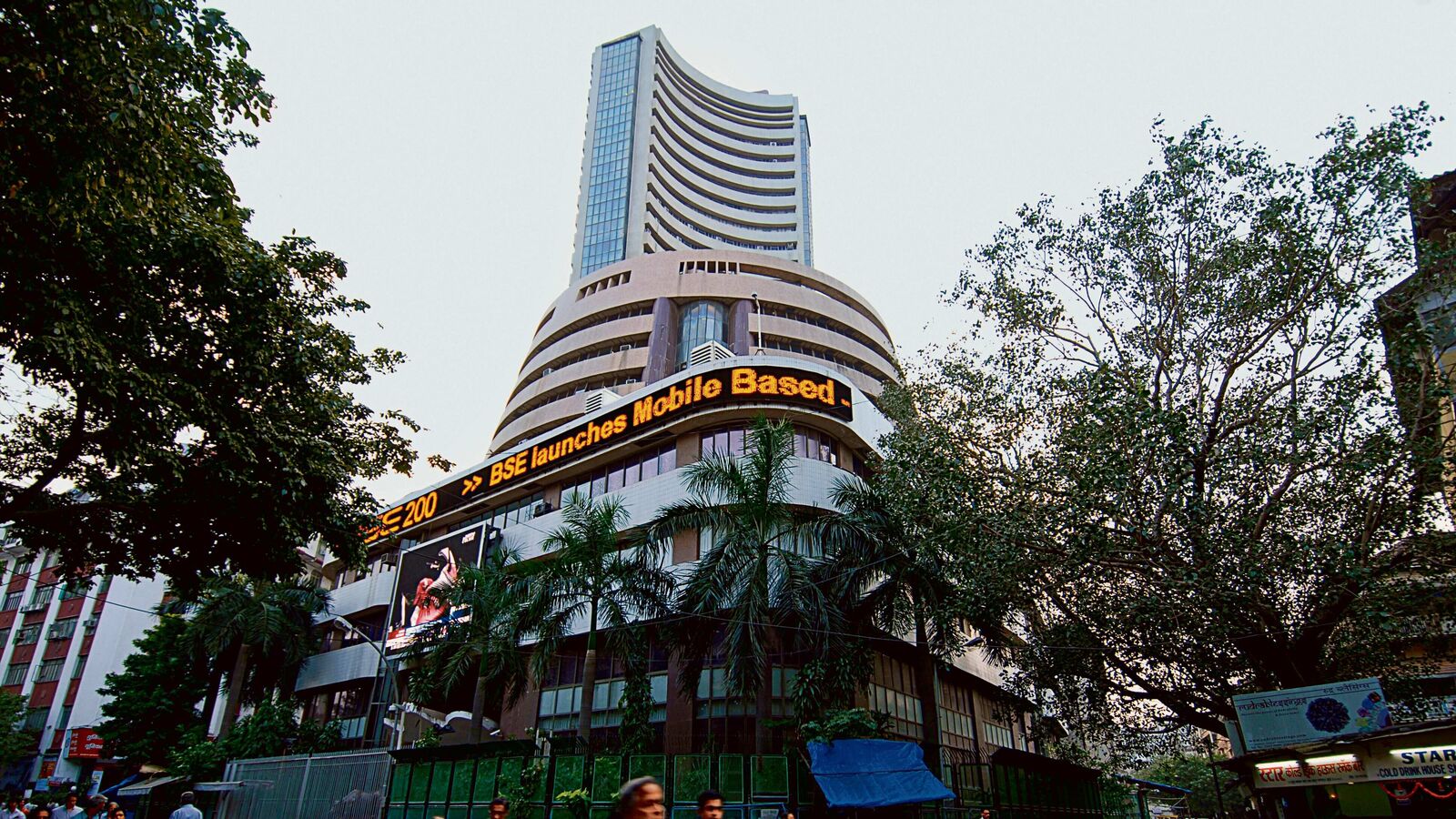
Extending a persistent “risk-off” streak that has gripped the domestic financial sector all year, Foreign Portfolio Investors (FPIs) emerged as aggressive net sellers in May 2026, offloading more than ₹34,000 crore from the Indian equity market.
According to consolidated data from the National Securities Depository Limited (NSDL), net foreign capital withdrawals for the month settled at ₹34,469 crore as of May 28, with an additional multi-billion dollar single-session dump on the final Friday of the month further compounding the exodus.
The continuous offloading marks the third consecutive month of heavy foreign liquidations beginning in March, driving cumulative FPI outflows for the first five months of 2026 past a historic ₹2.26 lakh crore threshold.
1. The Macro Pull: High US Yields and Currency Drag
Market analysts note that the heavy exit from Indian boardrooms is being dictated by shifting global macroeconomic yield dynamics rather than standalone domestic failures.
- The Safe-Haven Arbitrage: With the US Federal Reserve keeping interest rates sticky to combat stubborn global inflation, US Treasury yields have remained highly elevated. This environment has improved the appeal of low-risk, developed-market fixed-income assets, prompting global fund managers to pull capital out of high-premium emerging markets like India.
- Currency Volatility: The sustained exit of foreign funds, combined with a widening current account deficit, has put severe structural pressure on the local currency. The Indian Rupee, which started the year hovering around the 90-per-dollar mark, breached historic lows to cross 96.14 in mid-May. This continuous depreciation reduces total dollar-adjusted returns for overseas funds, accelerating defensive sell-offs.
- Energy Shocks: Elevated crude oil prices tied to ongoing geopolitical tensions in West Asia have added further strain to India’s import bills, dampening external risk appetite for oil-dependent emerging economies.
2. Friday’s Flash Flood: The ₹20,637 Crore MSCI Rebalance Shock
While the month witnessed a gradual, measured pace of selling compared to March’s record ₹1.17 lakh crore purge, the final trading session of May triggered one of the sharpest single-day foreign sell-offs witnessed in recent stock market history.
On Friday, May 29, FPIs net sold a staggering ₹20,637 crore in a single afternoon session. The massive transaction volume, which accounted for a whopping 69% of the National Stock Exchange’s (NSE) total daily turnover, was primarily driven by passive institutional fund flows re-aligning their portfolios to meet the latest MSCI Index rebalancing guidelines.
The global index provider executed a localized methodology update involving free-float weight adjustments for mega-cap stocks like Hindustan Unilever (HUL), Tata Consultancy Services (TCS), and Bajaj Finance. While the rebalance successfully added domestic lenders like Federal Bank and Indian Bank to the MSCI Standard Index, it simultaneously triggered automated, one-time outflows from over a dozen small-cap stocks, prompting high-frequency trading (HFT) algorithms to amplify session volatility and push benchmark indices down 1.5% at the closing bell.
3. Domestic Mutual Funds Keep the Floor Stable
Historically, an aggressive multi-month foreign capital flight of this magnitude would have sent the benchmark Nifty 50 and Sensex into a severe, long-term bear market market-cap destruction loop. However, India’s changing market structure has built an immense defense mechanism through local retail savings.
Led by consistent monthly flows from Systematic Investment Plans (SIPs) and insurance allocations, Domestic Institutional Investors (DIIs) have continuously absorbed the foreign selling pressure. During the heavy Friday rebalance session alone, while foreign desks were rushing to liquidate blocks, DIIs actively stepped in as aggressive net buyers of ₹16,260 crore.
This deep domestic liquidity cushion has limited the downside correction for benchmark indices, preventing a systemic market crash even as foreign fund ownership inside the Nifty 50 hovers near its lowest level in over a decade.
Get the day’s top stories in your inbox
One concise email. No spam, unsubscribe anytime.