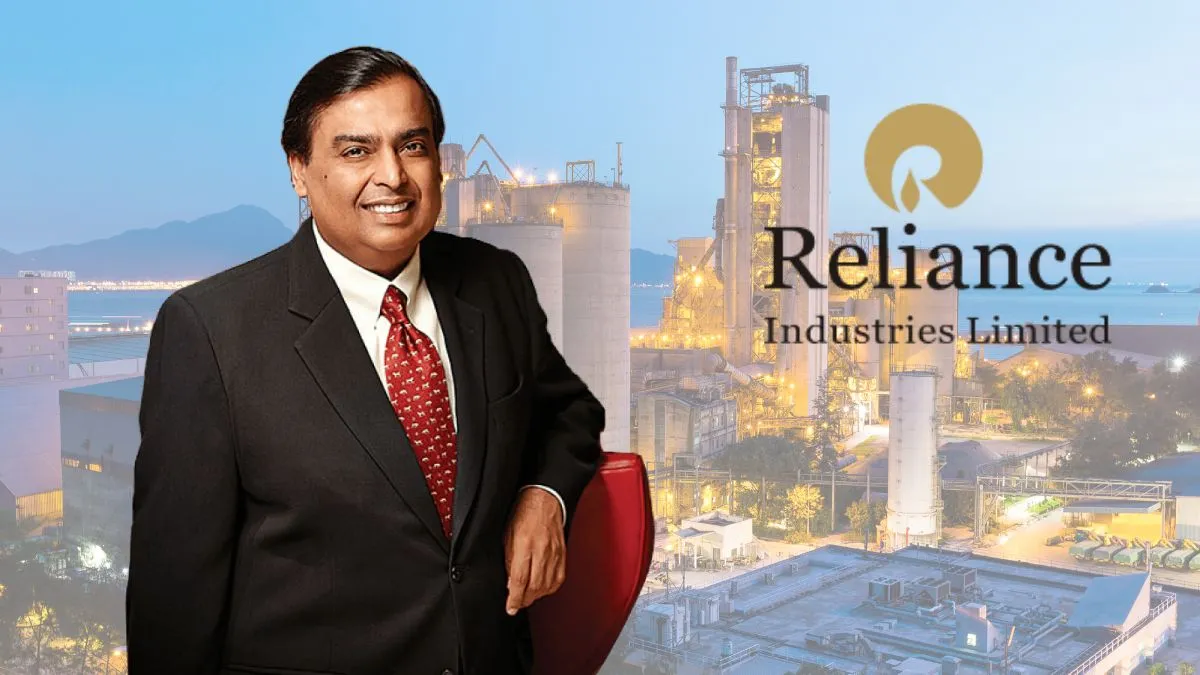
The promoter group of Reliance Industries Limited (RIL) increased its ownership stake in the company by 0.48 percentage points during the April–June quarter, taking its total holding to 50.48%. The increase reinforces the promoter group’s long-term commitment to India’s largest private-sector company and comes as Reliance continues to expand across energy, retail, telecommunications, digital services, and new energy businesses.
A higher promoter stake is often viewed positively by investors, as it can signal management’s confidence in the company’s long-term growth prospects and strategic direction.
Reliance Promoter Group Raises Stake to 50.48%
The latest shareholding data shows a modest but notable increase in promoter ownership.
| Key Highlights | Details |
|---|---|
| Company | Reliance Industries Limited (RIL) |
| Reporting period | April–June quarter |
| Promoter stake increase | 0.48 percentage points |
| New promoter holding | 50.48% |
| Previous holding | 50.00% |
| Significance | Increased promoter confidence and ownership |
The increase gives the promoter group majority ownership of Reliance Industries.
Why the Stake Increase Matters
Promoter shareholding is closely watched by investors as an indicator of confidence in a company’s future.
Potential implications include:
- Stronger promoter commitment.
- Increased confidence in long-term business prospects.
- Greater alignment between promoters and shareholders.
- Enhanced market sentiment.
- Reduced free float marginally.
- Positive signal for institutional investors.
While a modest increase does not directly affect business operations, it often carries symbolic importance in the capital markets.
Reliance’s Growth Strategy
Reliance continues to invest across multiple high-growth businesses.
Key focus areas include:
- Oil-to-chemicals (O2C).
- Telecommunications through Jio.
- Retail expansion.
- Renewable and clean energy.
- Digital services and AI initiatives.
- Advanced manufacturing and technology.
The diversified business model has positioned Reliance as one of India’s most valuable companies.
Shareholding Snapshot
| Metric | Details |
|---|---|
| Promoter holding (previous) | 50.00% |
| Increase during quarter | 0.48% |
| Current promoter holding | 50.48% |
| Reporting quarter | April–June |
The updated shareholding pattern reflects incremental accumulation by the promoter group.
Market Implications
The increase in promoter ownership may have several implications for investors.
These include:
- Reinforced confidence in the company’s strategy.
- Potentially improved investor sentiment.
- Continued focus on long-term value creation.
- Stable ownership structure.
- Strong promoter control over strategic decisions.
- Positive perception among market participants.
Investors typically interpret rising promoter stakes as an indication of confidence, although broader business fundamentals remain the primary driver of long-term stock performance.
Challenges Ahead
Despite strong promoter backing, Reliance continues to face several challenges.
These include:
- Volatility in global energy markets.
- Intense competition in telecom and retail.
- Large capital expenditure requirements.
- Regulatory developments across sectors.
- Execution of renewable energy projects.
- Maintaining earnings growth across diverse businesses.
Successfully balancing investments across traditional and emerging businesses will remain critical.
Outlook
The promoter group’s decision to increase its stake above the 50% threshold underscores confidence in Reliance Industries’ long-term growth strategy. As the company continues investing in digital infrastructure, renewable energy, retail, artificial intelligence, and advanced manufacturing, stronger promoter ownership may reinforce investor confidence during future expansion initiatives.
Going forward, market participants will closely monitor Reliance’s quarterly earnings, capital allocation strategy, and progress across its growth businesses to assess whether the company’s diversified portfolio continues to deliver sustainable value.
What It Means for the Indian Equity Market
The increase in promoter ownership at Reliance Industries is likely to be viewed as a positive governance signal by many investors, reflecting continued commitment from the controlling shareholders. For India’s equity markets, the move highlights the importance of promoter confidence in shaping market sentiment, particularly for benchmark companies with significant weight in major stock indices.
As one of India’s largest listed firms, developments at Reliance often influence broader market trends, making changes in its ownership structure closely watched by institutional and retail investors alike.
Get the day’s top stories in your inbox
One concise email. No spam, unsubscribe anytime.