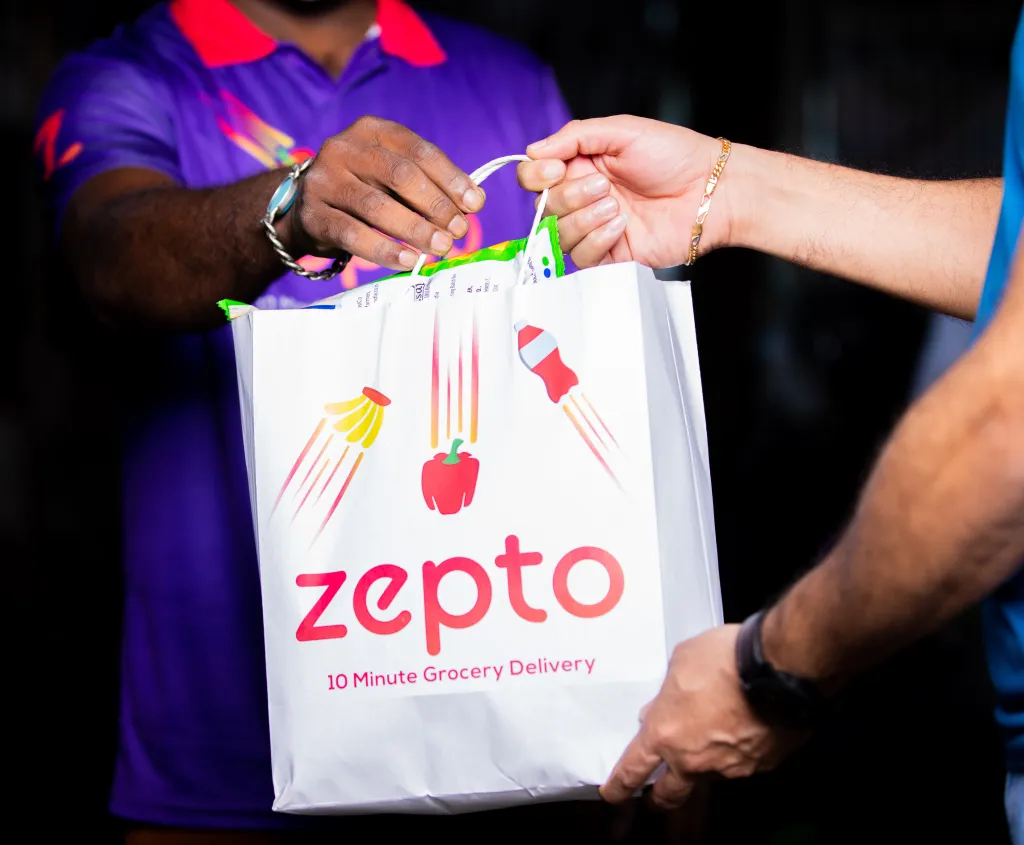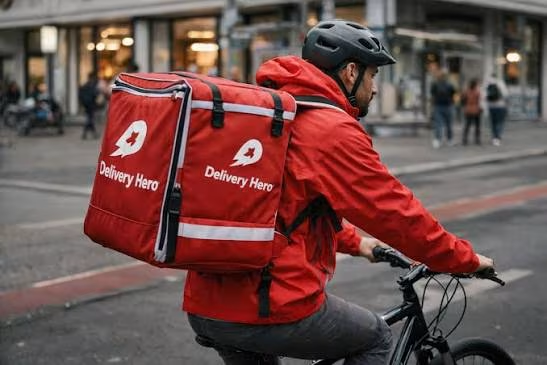
Ride-hailing giant Uber has agreed to acquire Germany-based food delivery company Delivery Hero in a deal valued at $14.8 billion, marking one of the largest transactions in the global delivery industry. The acquisition is expected to significantly strengthen Uber’s position in food delivery and quick commerce while expanding its presence across Europe, Asia, the Middle East, and Latin America, where Delivery Hero has established operations.
The proposed deal reflects the ongoing consolidation of the global delivery market as companies seek larger customer bases, improved operational efficiencies, and stronger profitability amid slowing growth and rising competition.
Uber Announces $14.8 Billion Acquisition of Delivery Hero
The acquisition would combine two of the world’s leading delivery platforms.
| Key Highlights | Details |
|---|---|
| Acquirer | Uber Technologies |
| Target | Delivery Hero |
| Deal value | Approximately $14.8 billion |
| Industry | Food delivery and quick commerce |
| Strategic focus | Global expansion and operational synergies |
| Headquarters of target | Germany |
If completed, the transaction would rank among the biggest acquisitions in the global online delivery sector.
Why Uber Is Buying Delivery Hero
The acquisition supports Uber’s long-term strategy of expanding its delivery ecosystem beyond ride-hailing.
Key objectives include:
- Expanding international market presence.
- Increasing food delivery market share.
- Strengthening quick commerce capabilities.
- Improving operational efficiency.
- Achieving greater economies of scale.
- Enhancing profitability through network synergies.
The combined business would serve millions of customers across multiple continents through a broader delivery network.
Strategic Benefits of the Deal
The acquisition could create significant strategic advantages for Uber.
Potential benefits include:
- Larger global customer base.
- Expanded merchant and restaurant network.
- Improved logistics and delivery infrastructure.
- Greater purchasing power.
- Stronger competitive position.
- Increased cross-selling opportunities between mobility and delivery services.
Uber has increasingly positioned delivery as a major growth pillar alongside its mobility business.
Deal Snapshot
| Metric | Details |
|---|---|
| Buyer | Uber |
| Seller | Delivery Hero |
| Estimated value | $14.8 billion |
| Primary business | Food delivery and quick commerce |
| Expected outcome | Expanded global delivery platform |
The transaction remains subject to customary regulatory approvals and closing conditions.
Impact on the Global Delivery Industry
The proposed acquisition highlights continued consolidation across the online delivery market.
Industry trends include:
- Larger platform ecosystems.
- Increased focus on profitability.
- Expansion into grocery and quick commerce.
- AI-powered logistics optimization.
- Greater investment in subscription programs.
- Cross-platform consumer services.
Companies are increasingly seeking scale to offset rising operating costs and intense market competition.
Challenges Ahead
Despite its strategic rationale, the acquisition may face several challenges.
These include:
- Regulatory and antitrust scrutiny.
- Integration of global operations.
- Combining technology platforms.
- Retaining merchants and delivery partners.
- Managing overlapping businesses in certain markets.
- Achieving projected cost synergies.
Successfully integrating operations across numerous countries will be a key determinant of the deal’s long-term success.
Outlook
Uber’s proposed $14.8 billion acquisition of Delivery Hero signals a new phase of consolidation in the global delivery industry, where scale, technology, and operational efficiency are becoming increasingly important competitive advantages. If approved, the transaction would significantly strengthen Uber’s international footprint and reinforce its position as one of the world’s largest mobility and delivery platforms.
Looking ahead, the combined company is expected to focus on expanding quick commerce, improving AI-driven logistics, enhancing customer experience, and generating stronger long-term profitability. The acquisition may also encourage further consolidation among regional delivery platforms seeking to compete with increasingly global players.
What It Means for the Delivery Industry
The proposed merger illustrates how delivery companies are evolving beyond traditional food delivery into broader digital commerce ecosystems that include groceries, retail products, and same-day logistics. Larger platforms are leveraging technology, data, and AI to optimize delivery routes, reduce costs, and improve service quality.
For consumers, the deal could lead to broader service offerings, improved delivery efficiency, and enhanced loyalty programs. For the industry, it underscores the growing importance of scale and operational integration as companies compete for market share in an increasingly mature and competitive global delivery market.
Get the day’s top stories in your inbox
One concise email. No spam, unsubscribe anytime.