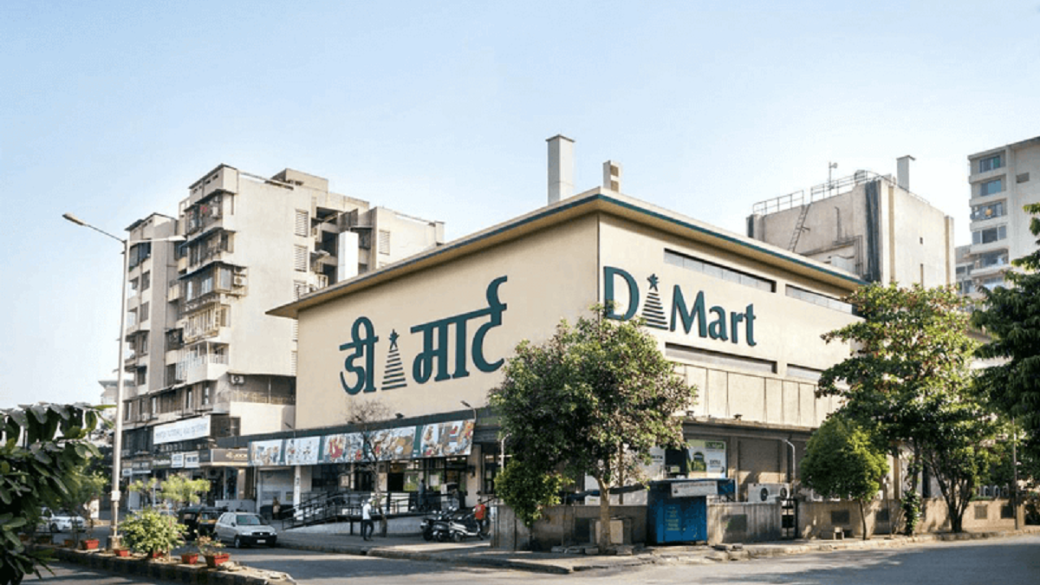
DMart Q1 results are the latest earnings from Avenue Supermarts, the company that runs DMart stores. DMart Q1 results showed net profit of ₹936 crore, which means money left after costs and tax. The company also grew sales, so investors got a clearer view of how India’s big value retailer is doing.
Key takeaways
- Net profit came in at ₹936 crore. That was ahead of many analyst estimates.
- Revenue rose year on year. More shoppers and store additions helped.
- Margins stayed broadly in line. Margin means how much profit a company keeps from sales.
- The update matters because DMart is often seen as a signal for India’s retail demand.
What did DMart Q1 results show?
Avenue Supermarts reported standalone net profit of ₹936 crore for the first quarter of FY27. Standalone means the main company on its own, without adding some units together in a group total. That profit beat market expectations, according to the source report.
The company’s revenue from operations rose to about ₹16,360 crore. Revenue means the total money a business brings in from sales. That was up from roughly ₹14,070 crore a year earlier, which is growth of around 16%.
EBITDA was about ₹1,340 crore in the quarter. EBITDA is a way to track earnings before interest, tax, and some other costs. The EBITDA margin was near 8.2%, so it stayed close to what many analysts had expected.
DMart Q1 results: key numbersRevenue₹16,360 crProfit₹936 crEBITDA₹1,340 crSales up ~16%Margin ~8.2%
Why do DMart Q1 results matter so much?
DMart is not just another shop chain. It is one of India’s biggest supermarket businesses, and it focuses on low prices. Because of that, many people watch its numbers to judge how middle-class shoppers are spending.
When DMart sells more groceries, home products, and daily goods, it can hint that households still feel okay about spending. But if growth slows, it can suggest pressure from food inflation or tighter family budgets. Inflation means prices rising over time.
The company’s margins matter too. Retail is a thin-margin business, which means stores keep only a small part of each rupee sold. So even a small change in costs, discounts, or product mix can move profit sharply.
DMart Q1 results suggest demand stayed healthy, because sales grew strongly and profit beat estimates, even while margins remained close to expectations.
How did revenue and profit compare with last year?
The jump in revenue was bigger than the jump in profit, which is common in retail. A store can sell much more, but costs such as staff, rent, and logistics also rise. Logistics means moving goods from suppliers to stores.
Here is a simple comparison of the key figures.
| Metric | Q1 FY27 | Q1 FY26 | Change |
|---|---|---|---|
| Revenue | ₹16,360 crore | ₹14,070 crore | About 16% up |
| Net profit | ₹936 crore | ₹774 crore | About 21% up |
| EBITDA | ₹1,340 crore | Lower year ago | Up year on year |
| EBITDA margin | ~8.2% | Near similar band | Broadly steady |
The profit number stands out. Net profit rose by roughly ₹162 crore from a year earlier. That matters because investors had expected a lower figure, so the quarter looked stronger than feared.
What helped the company this quarter?
Store expansion likely played a part, along with regular demand in food and household goods. DMart usually does well with repeat purchases, because people keep coming back for basics. That gives the business a steady base of sales.
Its value pricing also helps when families want to save money. Value pricing means selling at prices shoppers feel are affordable. If a family compares brands and picks cheaper packs, a chain like DMart can still benefit from heavy footfall.
The company has also built a strong name in offline retail. Offline retail means shopping in physical stores, not just online. That matters in India, where many families still buy weekly groceries in person.
Are there any risks hidden in DMart Q1 results?
Yes, a few. Margins stayed in line, but they did not surge. That tells us costs still matter a lot, especially if the company keeps opening stores or offers sharper discounts to stay competitive.
Competition is getting tougher as well. Big retail groups, quick commerce firms, and online sellers all want the same customer wallet. Quick commerce means very fast delivery, often in 10 to 30 minutes.
That wider retail battle has shown up in other corners of the market too. For example, seller complaints about discounting have already become a policy issue, as seen in our report on the CCI complaint against Flipkart over deep discounting practices. Food delivery and retail compliance have also stayed under the spotlight, including our coverage of FSSAI notices to Swiggy Instamart.
What should investors and shoppers watch next?
Watch store growth, same-store sales, and margins. Same-store sales means sales growth at older stores, not just from new openings. If older stores keep growing well, that often shows the brand is still strong.
Also watch whether demand stays firm in the next few quarters. If food prices rise too fast, shoppers may cut back on non-essential buys. Non-essential means items families can delay or skip.
Investors may also compare DMart with the wider economy. Retail spending often moves with jobs, wages, and confidence. For the company’s official filings, readers can check the BSE and the NSE, where listed companies share results and updates.
There is also a bigger India consumption story behind this. Our report on Honda making more premium motorcycles in India showed demand strength in another consumer segment. And our coverage of influencer-driven sales in India pointed to changing shopping habits across online channels.
So, what is the simple bottom line?
DMart Q1 results were good, plain and simple. Sales rose to about ₹16,360 crore, profit reached ₹936 crore, and margins stayed steady enough to avoid a scare. That mix matters because it shows growth without a big drop in profitability.
For shoppers, this does not change tomorrow’s bill at the checkout. But for investors, it says DMart still has momentum. And for anyone tracking India’s consumer economy, DMart Q1 results offer a useful clue that demand has not gone cold.
FAQs
What are DMart Q1 results?
DMart Q1 results are the company’s earnings for the first quarter of FY27. They show sales, profit, and margins for that three-month period.
Why did the market care about ₹936 crore profit?
Because it was higher than many estimates. Estimates are educated guesses made by analysts before results arrive.
How are margins different from revenue?
Revenue is total sales. Margin shows how much of that sales money the company keeps after operating costs.
Get the day’s top stories in your inbox
One concise email. No spam, unsubscribe anytime.