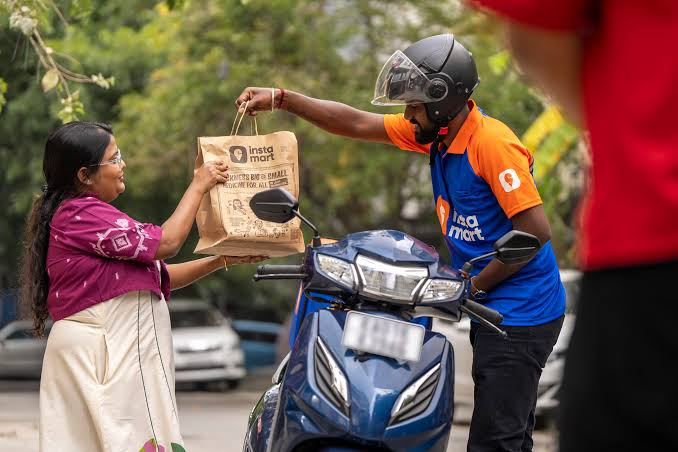
India’s food safety regulator, the Food Safety and Standards Authority of India (FSSAI), has issued nine notices to Swiggy Instamart over consumer complaints related to food products sold through the quick commerce platform. The action underscores increasing regulatory scrutiny of India’s rapidly growing instant delivery sector, where platforms are handling a rising volume of packaged foods, fresh produce, and grocery items.
The notices reportedly stem from customer complaints received through the National Consumer Helpline (NCH), with the regulator seeking explanations from Swiggy Instamart regarding alleged violations involving food quality, labeling, expiry dates, and other food safety concerns. The move comes as quick commerce platforms face growing pressure to strengthen quality control amid surging order volumes.
FSSAI Acts on Consumer Complaints
According to reports, the FSSAI sent the notices after reviewing multiple complaints filed by consumers regarding food items purchased through Swiggy Instamart.
While the regulator has not publicly disclosed the specific details of each complaint, they reportedly relate to issues commonly associated with food safety and regulatory compliance.
| Key Details | Information |
|---|---|
| Regulator | Food Safety and Standards Authority of India (FSSAI) |
| Platform | Swiggy Instamart |
| Number of notices | 9 |
| Trigger | Consumer food-related complaints |
| Complaint source | National Consumer Helpline (NCH) |
The notices require Swiggy Instamart to respond to the allegations and clarify the measures taken to ensure compliance with India’s food safety regulations.
Common Food-Related Complaints
Food delivery and quick commerce platforms frequently receive complaints involving packaged food products and groceries.
| Type of Complaint | Potential Issue |
|---|---|
| Expired products | Products sold beyond expiry date |
| Incorrect labeling | Missing or inaccurate information |
| Damaged packaging | Product contamination risks |
| Food quality | Spoiled or poor-quality items |
| Storage concerns | Improper handling during delivery |
The regulator is expected to assess whether these complaints indicate isolated incidents or broader operational shortcomings.
Rising Scrutiny of Quick Commerce Platforms
India’s quick commerce industry has expanded rapidly over the past few years, with companies promising grocery and food deliveries in as little as 10 to 30 minutes.
Platforms including Swiggy Instamart, Blinkit, Zepto, Flipkart Minutes, and BigBasket Now process millions of orders each month, increasing the importance of maintaining consistent food safety standards across dark stores, warehouses, and delivery networks.
As order volumes grow, regulators have intensified inspections to ensure food products are stored, transported, and delivered in accordance with FSSAI guidelines.
Responsibilities of Online Food Platforms
Under India’s food safety regulations, online food businesses are expected to ensure that products sold through their platforms comply with applicable standards.
These responsibilities include:
- Selling food within its expiry period.
- Ensuring proper storage conditions.
- Displaying accurate product information.
- Maintaining traceability of food products.
- Responding promptly to consumer complaints.
Although manufacturers remain responsible for product quality, e-commerce platforms also have obligations regarding handling, storage, and compliance.
Industry-Wide Regulatory Focus
The notices issued to Swiggy Instamart are part of a broader effort by regulators to strengthen oversight of India’s digital commerce ecosystem.
| Regulatory Priority | Objective |
|---|---|
| Food safety | Protect consumer health |
| Product traceability | Improve accountability |
| Complaint resolution | Faster consumer redressal |
| Compliance monitoring | Strengthen quality controls |
| Platform accountability | Ensure adherence to regulations |
Authorities have increasingly focused on consumer protection as online grocery and food delivery become mainstream across urban India.
Potential Impact on Quick Commerce
The latest regulatory action could encourage quick commerce companies to further strengthen internal quality assurance processes.
Industry experts expect platforms to invest more heavily in:
- Automated inventory monitoring.
- Expiry date tracking systems.
- Improved warehouse inspections.
- Better supplier verification.
- Enhanced customer complaint resolution.
Such measures could help reduce food safety incidents while improving consumer confidence in online grocery purchases.
What It Means for Consumers and the Industry
The FSSAI’s notices to Swiggy Instamart reflect the regulator’s growing emphasis on ensuring food safety standards keep pace with the rapid expansion of quick commerce. As consumers increasingly rely on instant delivery platforms for groceries and packaged food, maintaining product quality and regulatory compliance has become critical.
For Swiggy Instamart, responding to the notices and addressing any identified shortcomings will be important in maintaining consumer trust. More broadly, the development serves as a reminder that quick commerce platforms are likely to face closer regulatory oversight as the sector continues to grow, with greater emphasis on food quality, transparency, and customer protection.
Get the day’s top stories in your inbox
One concise email. No spam, unsubscribe anytime.