A new Deutsche Bank report has ranked Delhi as the world’s cheapest major city to buy residential property, while also highlighting that the Indian capital offers some of the lowest salaries among the 69 global cities surveyed. The findings underscore Delhi’s unique position as a city with highly affordable housing and living costs but relatively weak earning power, resulting in modest purchasing power despite low prices.
The findings come from Deutsche Bank’s “Mapping the World’s Prices 2026” report, which compares cities across a wide range of indicators, including property prices, wages, quality of life, transportation, broadband costs, and the affordability of everyday expenses.
Delhi Emerges as the Cheapest City for Buying Property
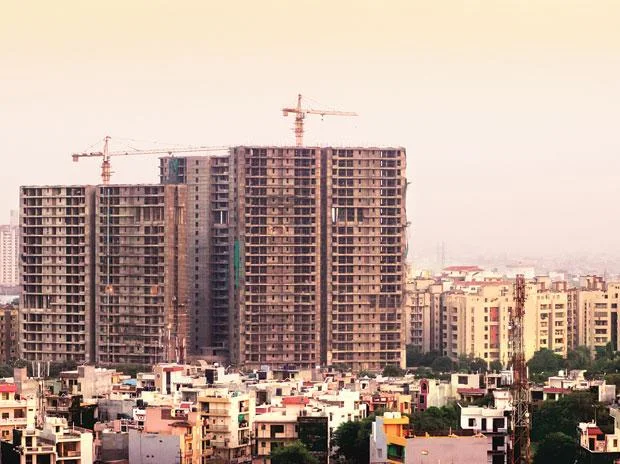
According to the report, Delhi recorded the lowest city-centre residential property prices among the 69 cities surveyed, making home ownership significantly more affordable than in global financial hubs such as London, New York, Hong Kong, Singapore, and Geneva.
While lower property prices improve housing affordability, the report notes that they must be viewed alongside income levels, which remain substantially below those in developed economies. As a result, affordability is influenced not only by housing costs but also by residents’ earning capacity.
Key Findings for Delhi
| Metric | Delhi’s Position |
|---|---|
| Property prices | Cheapest among 69 global cities |
| Net salaries | Among the world’s lowest |
| Broadband cost | Cheapest globally |
| Cost of a romantic date | Cheapest among major cities |
| Quality of life ranking | Outside the top 50 |
Salaries Remain Among the Lowest
Despite its affordability, Delhi ranked among the cities with the lowest average net monthly salaries in the survey.
The report suggests that while residents benefit from lower living costs, relatively modest incomes limit purchasing power compared with workers in higher-income cities. This means lower housing prices do not automatically translate into greater overall affordability or financial well-being.
Cost Advantage vs Income Challenge
| Advantage | Challenge |
|---|---|
| Low housing prices | Lower average salaries |
| Affordable services | Limited purchasing power |
| Lower daily expenses | Income growth trails global peers |
Delhi Also Offers the Cheapest Broadband
One of the report’s standout findings is Delhi’s exceptionally low internet costs.
A monthly broadband connection in the city costs around $7.30 (approximately ₹700), making it the least expensive broadband service among all cities included in the study. Affordable internet connectivity strengthens Delhi’s appeal for students, startups, freelancers, and digital businesses while supporting India’s expanding digital economy.
The report also found that Delhi is the world’s cheapest major city for a romantic date, with an average cost of around $103, compared with approximately $475 in Geneva, the most expensive city in the ranking.
Affordability Highlights
| Category | Delhi’s Performance |
|---|---|
| Broadband | Cheapest globally |
| Property purchase | Cheapest globally |
| Dating cost | Lowest among surveyed cities |
| Daily living costs | Relatively inexpensive |
Quality of Life Lags Behind
Although Delhi performs strongly on affordability metrics, it did not feature among the top 50 cities in Deutsche Bank’s quality-of-life rankings.
The quality-of-life assessment considers factors including:
- Purchasing power.
- Safety.
- Healthcare.
- Housing affordability.
- Commute times.
- Pollution.
- Climate.
The results indicate that affordability alone does not guarantee a higher quality of life, as infrastructure, environmental conditions, and public services also play a significant role in determining residents’ overall living standards.
What the Report Means
The Deutsche Bank study highlights the trade-offs that characterize Delhi’s economy.
For businesses and investors, relatively low property and operating costs can make the city an attractive destination for investment and expansion. For residents, however, lower wage levels may offset some of the benefits of inexpensive housing and services.
The findings also reflect the broader challenge facing many emerging-market cities: balancing affordability with rising incomes and improvements in urban infrastructure.
Looking Ahead
Deutsche Bank’s “Mapping the World’s Prices 2026” report paints a nuanced picture of Delhi. The city stands out as the world’s cheapest major market for residential property and offers the lowest broadband costs among the surveyed cities, reinforcing its reputation as an affordable urban centre. However, its relatively low salaries and absence from the top tier of global quality-of-life rankings highlight the need for stronger income growth, better infrastructure, and continued improvements in public services.
As India continues to urbanize and attract global investment, narrowing the gap between affordability and earning potential will be key to enhancing Delhi’s competitiveness and overall livability.
Get the day’s top stories in your inbox
One concise email. No spam, unsubscribe anytime.