Key takeaways
- Maruti ethanol car is Maruti Suzuki’s plan for a car that can run on E100, which means 100% ethanol fuel.
- India is pushing ethanol because it wants to cut oil imports and use more fuel made from crops.
- Maruti has shown flex-fuel technology before, but a full E100 passenger car still needs fuel supply and policy support.
- The big question is simple: can drivers easily find E100 fuel, and will it save money?
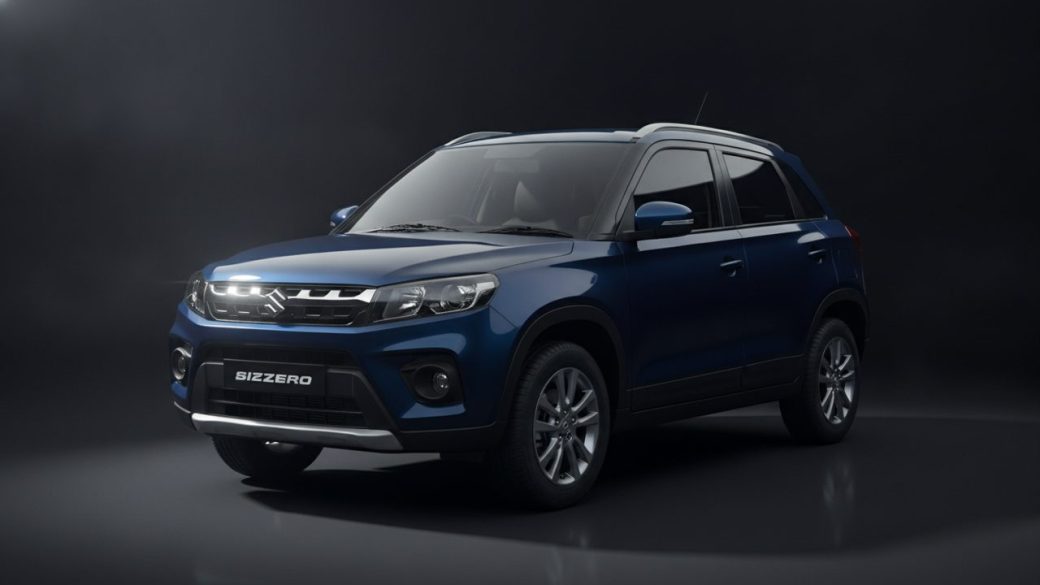
Maruti ethanol car is Maruti Suzuki’s push toward a passenger car made for E100 fuel. E100 means fuel made of 100% ethanol, a type of alcohol usually made from sugarcane or grain. The idea sounds bold. But the real story is about fuel stations, prices, and whether enough people can actually use it.
That matters because India buys a lot of crude oil from abroad. Crude oil is raw oil that gets turned into petrol and diesel. If more cars use ethanol, India could cut some imports, help farmers, and lower some tailpipe emissions. But there are trade-offs too, so this is not a magic fix.
Why is the Maruti ethanol car back in focus?
The older story said Maruti Suzuki was set to launch India’s first 100% ethanol car. That idea came from the company’s work on flex-fuel vehicles and the government’s strong push for ethanol blending. Flex-fuel means an engine can run on more than one fuel mix. For example, it may use petrol, ethanol, or a blend of both.
What has changed is the pace of the broader ethanol plan. India has already moved fast on petrol blending. The government has said the country reached 20% ethanol blending in petrol ahead of schedule in many areas, which is a major step from very low levels a few years ago. You can see the latest ethanol updates from the Press Information Bureau and fuel policy details from the Ministry of Petroleum and Natural Gas.
Still, blending petrol with ethanol is not the same as selling E100 widely. E20 means 20% ethanol and 80% petrol. E100 means all ethanol. That jump is huge because engines, cold starts, fuel lines, and station networks all need more planning.
What exactly is E100, and how is it different?
E100 is nearly pure ethanol fuel. Ethanol is an alcohol-based fuel made from plant material, such as sugarcane juice, maize, or damaged grain. It burns differently from petrol, so engines need changes to handle it well.
A car built for E100 needs parts that resist corrosion and software that adjusts fuel flow. Corrosion means metal slowly gets damaged by a chemical reaction. Ethanol also holds less energy per litre than petrol, so a car may need more fuel to travel the same distance.
That last point is easy to picture. Think of two lunch boxes. One is packed tighter than the other. Petrol stores more energy in each litre, while ethanol stores less, so the engine may drink more of it for the same trip.
Fuel snapshotEnergy per litre, approximatePetrol ~34 MJ/LEthanol ~24 MJ/LIndia petrol blend target reached in many areasE20 = 20% ethanol
Has Maruti Suzuki launched the Maruti ethanol car yet?
As of now, Maruti Suzuki has strongly backed biofuels and shown flex-fuel direction, but a mass-market Maruti ethanol car running on E100 is still more of a roadmap story than a common showroom reality. That’s the fresh angle readers need. The company has discussed ethanol-ready technology for India, yet full retail rollout depends on fuel availability and cost.
Maruti has good reason to explore it. The company sells more passenger vehicles than any other carmaker in India, so even one new fuel platform could influence the whole market. If Maruti moves, suppliers, fuel retailers, and rivals may move faster too.
This also fits India’s wider clean-mobility strategy. Carmakers are trying many routes at once, including EVs, hybrids, CNG, and biofuels. If you want a sense of how energy choices are changing across sectors, our report on DCM Shriram’s renewable energy plan shows how industry is also shifting fuel and power sources.
Why does India want an ethanol car at all?
The simple answer is money, fuel security, and farm policy. India imports most of its crude oil, so global price swings hurt the economy. Fuel security means having a steadier local supply of energy. Ethanol gives the country one more option.
The government has often highlighted the import bill. Even a small cut in petrol demand can matter when a country uses millions of tonnes of fuel each year. Meanwhile, ethanol production can support sugar mills and grain suppliers, which links the fuel story to rural incomes.
There is also the emissions argument. Emissions are gases released into the air. A well-designed ethanol system can reduce some harmful exhaust compared with pure petrol use, especially in carbon terms across the fuel cycle, but results depend on how the ethanol is made and transported.
What are the biggest roadblocks for the Maruti ethanol car?
The first roadblock is fuel supply. An E100 car only makes sense if drivers can easily find E100. Right now, India has far more petrol pumps offering regular petrol and blended fuel than stations set up for pure ethanol.
The second issue is mileage. Since ethanol has less energy per litre, drivers may need more litres for the same drive. So even if E100 costs less per litre, the real test is cost per kilometre. That is the number drivers actually feel in their wallet.
The third issue is weather and engine tuning. E100 can be harder to start in cold conditions. India is warm in many places, but not everywhere. Carmakers need smart calibration. Calibration means fine-tuning how the engine runs.
There is also the food-versus-fuel debate. If too much farmland shifts toward fuel crops, some critics worry about pressure on water and food systems. That does not kill the idea, but it means policy must stay balanced.
| Issue | Why it matters | What needs to happen |
|---|---|---|
| Fuel stations | Drivers need easy access to E100 | Wider pump rollout |
| Mileage | Ethanol gives less energy per litre | Competitive pricing |
| Engine setup | E100 needs special tuning and materials | Vehicle testing and approvals |
| Feedstock | Ethanol must be produced at scale | Stable crop and supply policy |
How does this compare with EVs and flex-fuel cars?
EVs run on batteries, while ethanol cars burn liquid fuel. That means ethanol can use the familiar refuel model. You stop, fill up, and drive away. For many people, that feels easier than charging.
But EVs have one big plus. They do not have tailpipe emissions. Tailpipe emissions are gases coming straight from a vehicle’s exhaust. Ethanol cars still burn fuel, so they still release exhaust, even if the wider carbon story can look better than petrol.
Flex-fuel may be the most practical middle step. A flex-fuel car can use different blends, so drivers are not stuck if E100 is hard to find. That may be why carmakers have sounded more confident about flex-fuel than about full E100 for mass-market use today.
If you track how technology shifts can change demand across sectors, our coverage of the US labor shortage and AI jobs shows a similar pattern: new tools spread faster when the system around them is ready.
So what should drivers watch next?
Watch three things. First, see whether Maruti gives a firm launch timeline, model name, and fuel compatibility details. Second, watch whether oil companies expand E100 pumps beyond pilot locations. Third, compare fuel price per kilometre, not just the pump price.
Here is the clearest answer: a Maruti ethanol car could be important for India, but only if fuel is easy to find and cheap enough to use every day. Without that, the idea stays a headline instead of becoming a real mass-market option.
Investors and auto watchers should also watch how this fits Maruti’s broader strategy against hybrids, CNG, and EVs. India rarely bets on only one answer. It usually tries several at once, then scales what works best.
FAQs
What is a Maruti ethanol car?
A Maruti ethanol car is a Maruti Suzuki vehicle designed to run on ethanol-rich fuel, especially E100. E100 means 100% ethanol fuel.
Why is E100 different from E20?
E20 is a blend of 20% ethanol and 80% petrol. E100 is almost pure ethanol, so it needs more specialised engine tuning and fuel system parts.
When could drivers actually buy one?
Maruti has supported ethanol-based mobility, but a full mass-market E100 launch still depends on fuel stations, pricing, and final rollout plans.
Get the day’s top stories in your inbox
One concise email. No spam, unsubscribe anytime.